

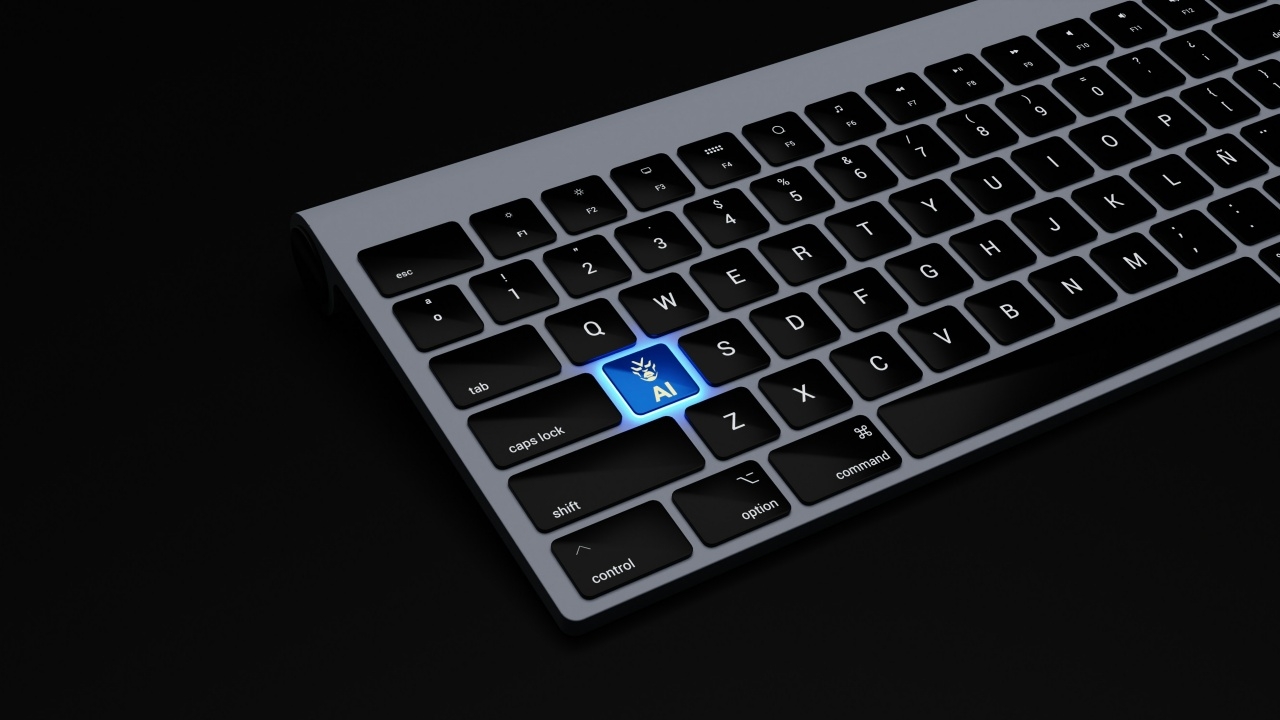
A GoTo survey reveals that AI does save work time but at the expense of certain skills that may decline. It also highlights a new problem: a gap between management and staff leading to aimless AI usage, which increases workload burdens.
The arrival of AI can help employees save time at work, but in reality, it can also create new issues, especially regarding confidence and the decline of certain work skills.. . .There is uncertainty about whether they can perform tasks without machines thinking for them, posing a new challenge in the workplace.
New research from GoTo, conducted with Workplace Intelligence and surveying over 2,500 employees and IT experts worldwide, paints a picture of workers caught between convenience tools and the habitual behaviors those tools create.
The data shows that 50% of employees admit they rely on AI too much, and 30% say they cannot work without it. Additionally, 39% believe dependence on AI is eroding their skills and making them less intelligent, with concerns rising to 46% among Gen Z workers.
A major issue is external pressure: 60% of employees feel pushed to use AI to boost productivity even when unnecessary, leading to misuse and risk. Seventy percent admit to using AI in sensitive tasks such as legal work or decisions requiring emotional intelligence. Furthermore, organizations face the problem of AI-generated 'slop'—43% of employees have submitted AI work suspected of errors, causing 77% to spend more time reviewing AI outputs than human work, and 66% to expend extra effort fixing others’ AI mistakes. Thus, the speed gained from AI is offset by the time spent correcting poor-quality work.
The real risk lies in the gap between employees and management. Eighty-four percent of employees believe organizations should promote responsible AI use more, yet only 48% of IT leaders agree, indicating that executives underestimate the problem.
Moreover, only 44% of organizations have AI policies, and over 77% of employees in those organizations say these policies need improvement. Most executives and employees acknowledge a lack of proper training.
Another key point is investing in developing uniquely human skills—such as creativity, emotional intelligence, and judgment—foundational for working alongside machines.
Source:FastCompany