

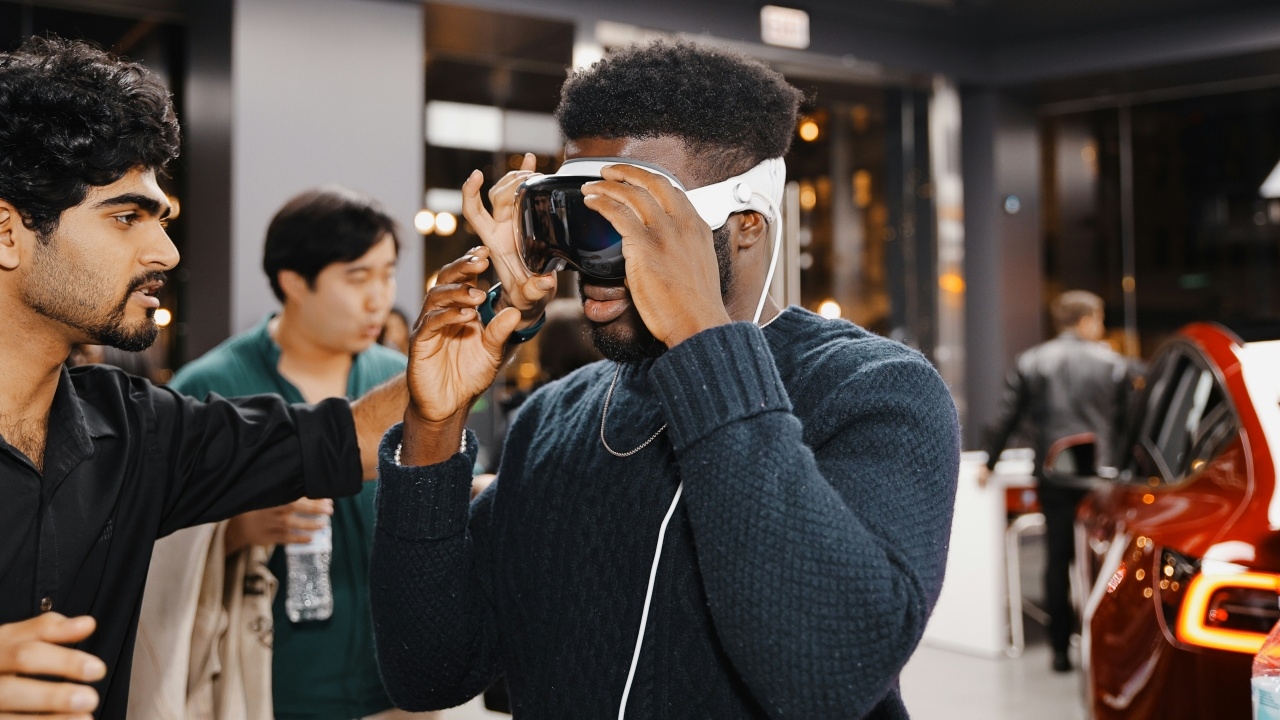
Wearable devices with AI capabilities are an emerging trend worth watching. However, AI wearables face a problem: they impress at launch but feel too strange during actual use, resulting in low popularity.
Today, using laptops or smartphones in public is common in general society, but this is not yet true for AI wearables, which are currently trending devices.
At the Consumer Electronics Show (CES) held earlier this year, many AI wearable devices were unveiled, including commercial products and prototypes. The question is whether products that once seemed cool and advanced on stage feel odd when actually used.
Research published in the journal Psychology & Marketing identifies embarrassment or discomfort as one of the main obstacles when individuals interact with unfamiliar technology in public spaces.
This feeling is often linked to being judged by onlookers and directly affects decisions about continued use. Devices that make users feel alienated or cause others to feel threatened by constant recording of images or sound, loud voice commands, or wearing gear with always-on cameras often cause discomfort in public. Psychologically, these feelings form a significant barrier leading consumers to reject use, turning such devices into social nuisances rather than practical innovations.
This raises critical issues of consent. For example, wearing glasses with cameras changes everyone’s privacy norms. Currently, Silicon Valley still designs AI hardware as if it were demonstration technology for stages or viral videos rather than for everyday practical use. Even Apple Vision Pro, packed with advanced technology, has not succeeded fully, selling about 600,000 units—ten times fewer than the first iPhone in its initial year.
Historical lessons show that successful consumer products typically integrate smoothly with existing behaviors rather than forcing new social norms. Smartphones replaced multiple carried devices; smartwatches evolved from traditional watches; and AirPods function like regular earphones.
Therefore, AI devices should be used not only on launch stages but also in cafes, offices, or airport lounges, where people naturally question whether such devices make them appear strange or cause discomfort to others or pose risks. This parallels the failure of Foursquare’s check-in feature, which faded because public location sharing made users uncomfortable and raised personal safety concerns.
Conversely, companies that seem to navigate this well include Meta, partnering with Ray-Ban to produce smart glasses that look like regular sunglasses before being tech devices, and with Oakley in the sports eyewear market, where users are accustomed to wearing monitoring gear. The best AI products adapt well to their environment.
Thus, the future of AI wearables may not be dominated by any single form; they could appear as rings or necklaces, marking a key step toward blending naturally into everyday life.
A Bain & Company survey found that only 5 percent of people in the U.S. own AI wearable devices. However, the real challenge is not price or marketing but the ability to integrate technology naturally and seamlessly into daily life—a very difficult task for tech companies, especially in creating products that make people forget they are even using AI wearables.
. Inc.