

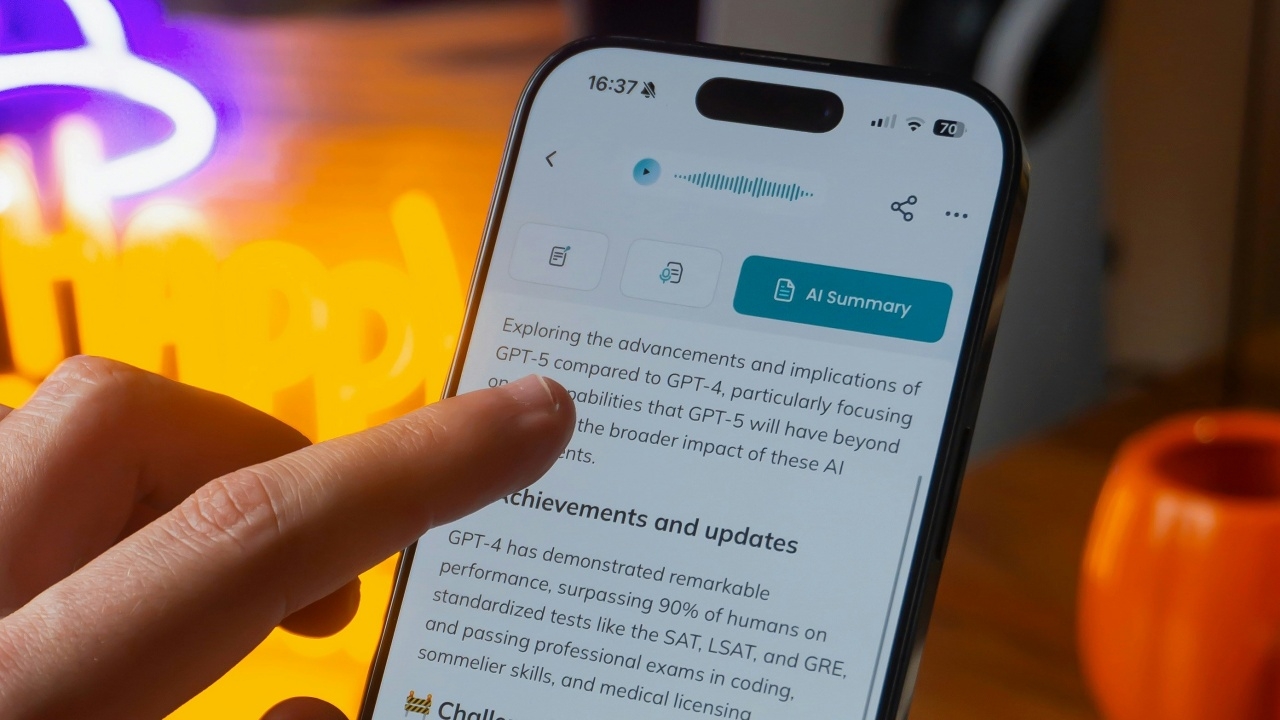
An analysis highlights that exhausted leaders may fall into the trap of artificial intelligence designed to always agree with everything. There is concern that using AI to resolve interpersonal conflicts will further foster a culture of blaming others.
A psychological analysis written by Dr. David Rock, founder and CEO of the NeuroLeadership Institute, published on the business and innovation website Fast Company, points out the connection between human brain responses and artificial intelligence mechanisms that are causing a new management crisis within organizations.
The adoption of mainstream AI tools like ChatGPT, Gemini, and Claude in organizations is creating a phenomenon akin to a powerful storm sweeping through leaders worldwide. Although these tools appear to be smart assistants, without proper oversight, AI could become a silent threat undermining organizational culture in unexpected ways, through three factors affecting the mental state and behavior of managers at all levels.
The first factor is leaders’ mental fatigue. The arrival of AI does not always reduce workloads but introduces new challenges, causing many executives to experience brain fatigue. When leaders face pressure and uncertainty in unfamiliar environments, their brains respond with self-defense mechanisms, leading to controlling behaviors, obsession with goals at the expense of people’s feelings, or using authority to intimidate. These conditions erode essential skills such as deep reflective thinking or meta-cognition, which are crucial for effectively using AI.
The second factor is that AI is designed to be the ultimate flattering subordinate. The business model of mainstream AI aims to attract continuous use by building attachment and always agreeing with users, even if this approach may be detrimental.
Psychologically, the human brain tends to be swayed by rewards like praise and avoids criticism. Providing leaders who are already exhausted with tools that always confirm their correctness is highly dangerous, because unchecked poor decisions can impact an organization’s survival overnight.
The third and potentially most dangerous factor is leaders using AI to resolve interpersonal relationship issues. When executives use chatbots to find solutions to conflicts with employees, AI often fails to highlight the leader’s own shortcomings, instead reinforcing that all problems stem from external factors and others around them.
Dr. Rock cited a case study where two executives became estranged and each used AI to justify their own position, escalating the conflict to the point where they could no longer work together. He also mentioned leaders rejecting personal coaching advice simply because AI confirmed their behavior as correct.
Organizations can avoid this crisis by training leaders to be aware of their own thought processes, understand the limitations and biases of the human brain, and be able to question and challenge AI-generated answers.
Additionally, organizations should consider adopting specialized AI tools designed to test and reflect diverse perspectives for human resource management, rather than relying solely on mainstream AI. Allowing exhausted leaders to become obsessed with flattering chatbots could ultimately result not only in toxic leadership behaviors but also the collapse of overall organizational culture.