

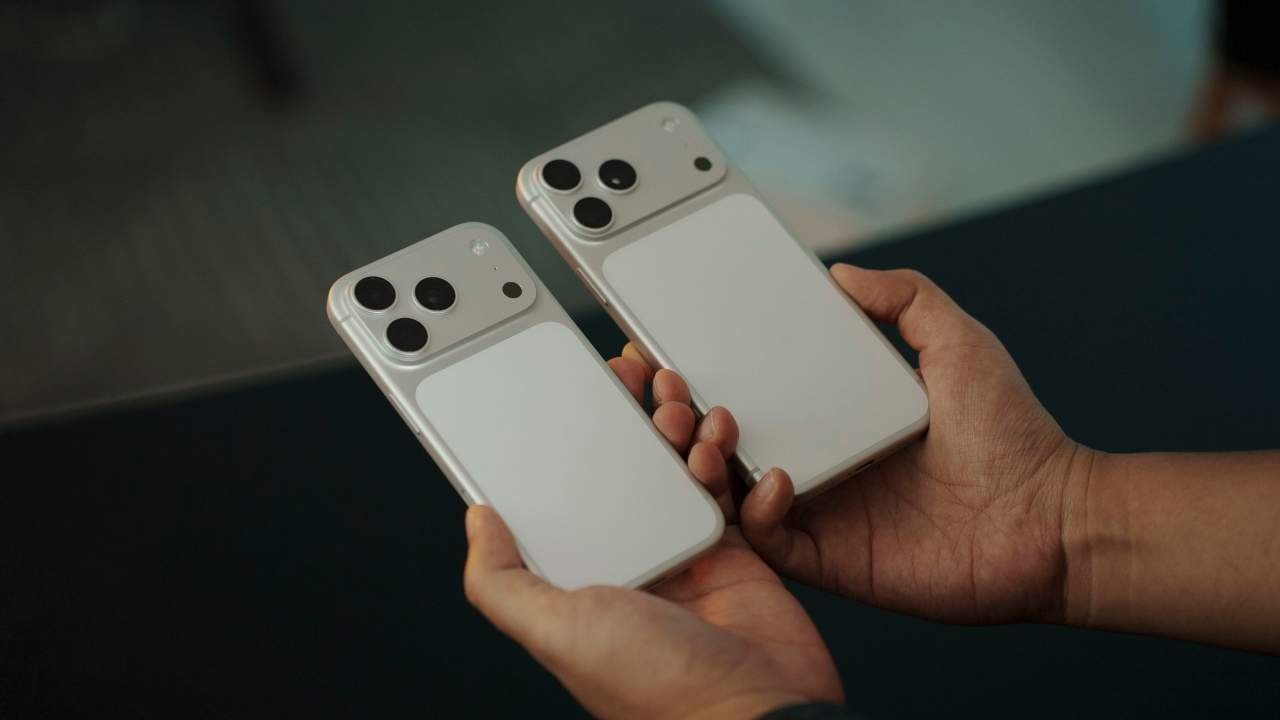
A detailed look at the differences in design, materials, and cameras between the iPhone 18 Pro and iPhone Ultra based on revealed information ahead of their official launch later this year.
This September, Apple is highly likely to unveil a new product called the iPhone Ultra, a flagship model drawing significant attention, alongside the iPhone 18 Pro and iPhone 18 Pro Max.
Regarding price, the iPhone Ultra is expected to be quite expensive and may be the top-tier model in the 2026 iPhone lineup. However, when compared, the iPhone 18 Pro and iPhone Ultra have interesting differences that could influence consumers' decisions to upgrade.
The first and most obvious difference lies in the design. The iPhone 18 Pro and iPhone 18 Pro Max retain the familiar design style seen in the iPhone 17 Pro.
Meanwhile, the iPhone Ultra marks Apple's first foldable screen device, featuring a wide and shorter outer display than a typical iPhone, combined with an inner screen that, when unfolded, approaches the size of an iPad mini.
The second difference is in camera performance. Apple traditionally reserves exclusive features for the Pro and Pro Max models, which continues in 2026. The iPhone Ultra may lack a zoom lens camera, keeping that feature exclusive to the Pro line, which is expected to receive further performance upgrades this year.
The final difference is the chipset and build materials. Although both the iPhone 18 Pro and iPhone Ultra will use the Apple A20 Pro chipset, their construction materials may differ. The iPhone 18 Pro continues to use aluminum with a Vapor Chamber cooling system like previous models, helping maintain device temperature and optimize performance under heavy processing loads.
In contrast, the iPhone Ultra will feature a slim titanium body and is expected not to include a Vapor Chamber system, which could result in reduced processing speeds under intense sunlight or when running resource-heavy applications.
/Source:9to5Mac