

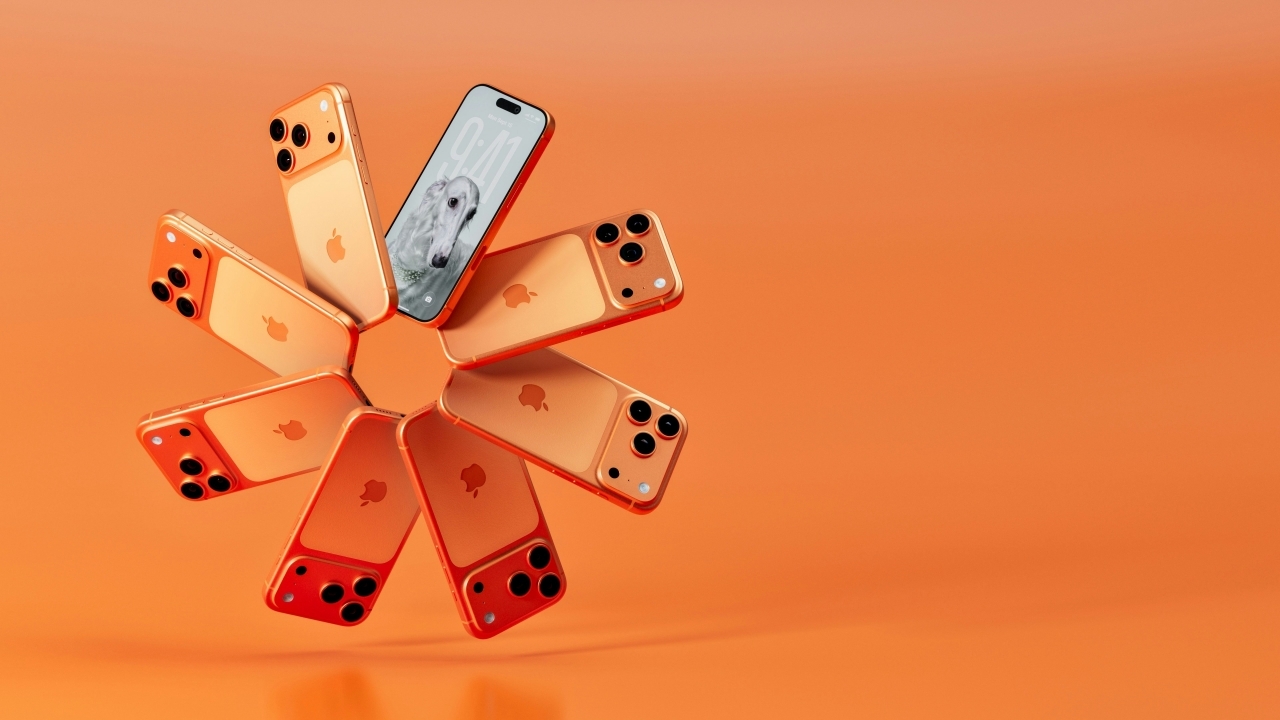
After decades of rumors, Apple's first foldable smartphone is closest to reality in 2026. Recent evidence found in the iOS 27 source code confirms that the launch is near.
Starting with the name, the device was originally called the iPhone Fold. However, Felipe Esposito, a Macworld reporter, indicated that Apple will likely use the name iPhone Ultra instead, employing the term "Ultra" to represent the brand's high-end product line across both iPhone and MacBook. This aligns with Apple's previous use of the name for the Apple Watch Ultra and M-Series chips. Reports also suggest a MacBook Ultra, Apple's first touchscreen notebook, will launch alongside the iPhone 18 Pro and iPhone 18 Pro Max. Since Samsung already uses the Galaxy Fold name, it is unlikely Apple will name its device iPhone Fold.
Regarding the production timeline, the path has not been smooth. DigiTimes reports that the large-scale production schedule has been pushed from June to August due to engineering test delays needed to refine the design. While some Japanese media worry the launch might be delayed until 2027, Bloomberg's Mark Gurman believes Apple will still release the iPhone Ultra alongside the iPhone 18 in September 2026. However, the nearly two-month delay might limit the initial supply at launch.
Production challenges also affect sales targets. It is forecasted that Apple has lowered its first-year sales goal to 3 million units from an original target of 10 million. Nevertheless, this number remains notable.Because it still exceedscompetitor Samsung's Galaxy Z Fold 7, which has initial shipment estimates of about 2.4 million units. Notably, The Elec reports that Samsung Display will be Apple's sole supplier of foldable display panels for at least three years, making Samsung both a competitor and supplier simultaneously.
In terms of specifications and design, the iPhone Ultra is positioned as the top-tier model, above the iPhone Pro Max. It features a 5.5-inch external screen and unfolds to reveal a 7.8-inch display. A leaked dummy unit before WWDC 2026 showed a book-style foldable screen that is wider than tall, resembling a "passport" shape. It is expected to come in only one color and include a circular punch-hole front-facing camera.
A technological highlight is the hinge. According to Leaker Fixed Focus Digital on Weibo, the iPhone Ultra will use liquid metal technology for its hinge components to enhance screen durability, along with a vapor chamber cooling system.Additionally,Apple has reportedly sent prototype units to network carriers worldwide for testing. Apple has held rights to use liquid metal technology since 2010 but has only applied it to SIM card ejector pins until now. Using it for the hinge this year would unlock a technology held for over 15 years.
The latest evidence comes from the source code itself. Developer Sam Henry Gold (X account: @M1Astra) revealed that iOS 27 contains command sets specifically designed to support foldable smartphones. These include variables like foldState, mechanicalAngleDegrees, angleDegrees, and MGGetLogicalDeviceDisplayCount, which help the system interpret the folding state, measure hinge angles, and detect the number of active displays. These commands did not appear in iOS 26. There is also a possibility the system will support side-by-side multitasking and arrange the interface similarly to an iPad to accommodate the wider screen area.
Finally, regarding pricing and competition, the iPhone Ultra is expected to cost approximately $2,000 to $2,500 USD abroad, roughly 70,000 to 90,000 baht, making it the most expensive iPhone ever. Its main competitors are Samsung's Galaxy Z Fold and Huawei's foldable phones, both of which have been in the market for over five years. Apple's entry as a new player is noteworthy and may accelerate the foldable market's move into the mainstream.