

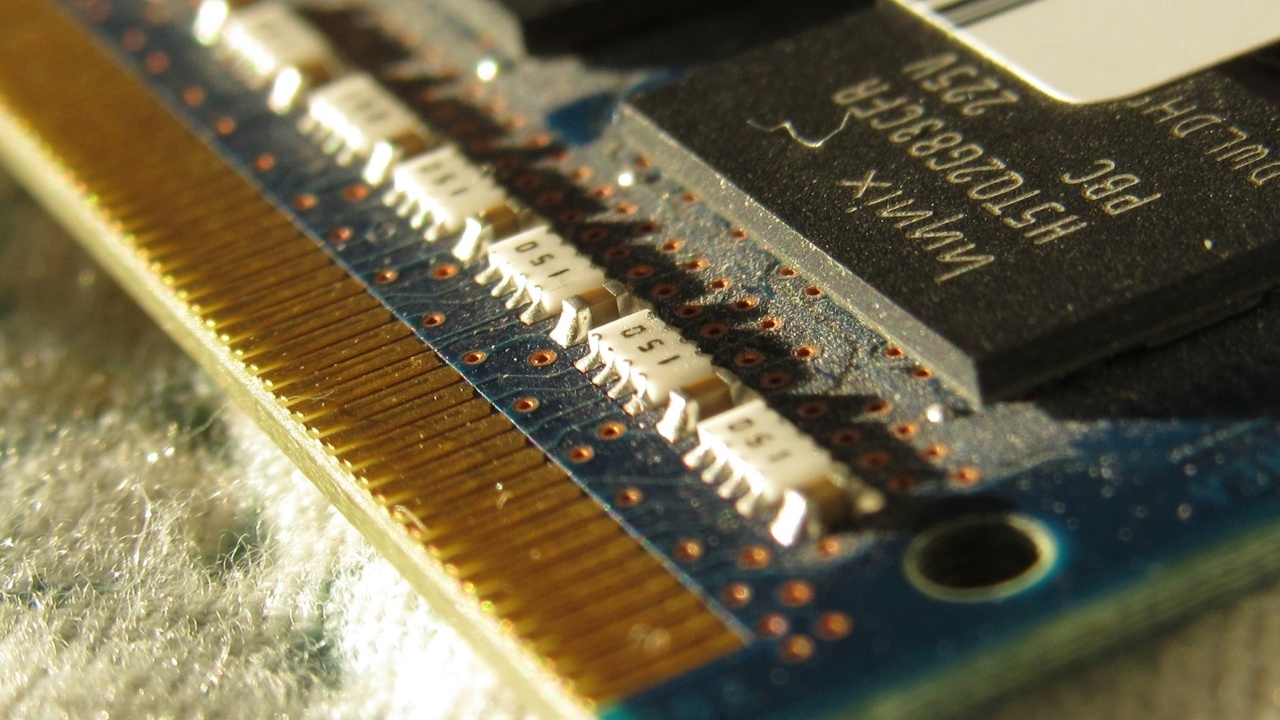
Major AI industry giants are aggressively purchasing memory to build data centers, causing chip prices to more than double, while manufacturers struggle to keep up with supply.
The memory shortage crisis behind recent electronics price hikes is expected to intensify. Executives and analysts agree that price pressures will persist through 2027 or possibly longer.
The root of the problem lies in the competition for memory production capacity between two distinctly different demand groups. On one side are tech giants like Meta, Google, and Amazon, rapidly building AI infrastructure on an unprecedented scale.
On the other side are consumer device manufacturers such as Apple and Microsoft seeking memory for general market products. Many memory chip producers have allocated more production lines to companies with massive AI investments, directly reducing supply for consumer markets.
Recent figures clearly reflect this crisis. Ming-Chi Kuo, an analyst at TF International Securities, estimates that about 15-20% of memory production capacity originally allocated to consumer devices in 2026 will be redirected to data center industries in 2027, with this proportion likely to increase.
Sanjay Mehrotra, CEO of Micron, stated during the June 24 earnings announcement that demand significantly exceeds industry supply and expects this tight situation to continue throughout 2027.
Similarly, research firm TrendForce reported on June 22 that the world's three major DRAM manufacturers remain focused on producing advanced node chips primarily to meet AI infrastructure demands.
Regarding prices, analysts from Jefferies, citing estimates from memory consultant Ethan Tang, predict memory prices will surge 40-50% in Q3 2026, followed by another 30-40% in Q4, and an annual year-over-year increase of around 40-45% throughout 2027.
The impact on consumers is increasingly evident as Apple raised prices on Macs, iPads, and accessories by several hundred U.S. dollars. Apple CEO Tim Cook likened the situation to a once-in-a-century flood and."He confirmed that passing these cost increases on to consumers is unavoidable.
Microsoft has also raised prices on its Xbox gaming consoles for the third time since 2025, warning that memory and storage costs in consoles have risen more than 2.5 times and are expected to double again by late 2027.
Market research firm IDC stated in a June 2 report that the global PC market is heading into a turbulent second half of 2026, projecting a worldwide PC shipment decline of 11.3% for the year and a possible 20% drop in Q4 year-over-year.
Elon Musk expressed a view consistent with Cook, calling this the biggest price adjustment he has ever seen and highlighting the supply shortage compared to demand as "insane.""Insane."
However, the memory shortage crisis is not entirely bleak. Some light appears as several manufacturers attempt to expand memory production capacity. Still, retooling production lines takes time, and there is no guarantee companies like Apple will lower prices on MacBooks or iPads even if chip costs fall.
Meanwhile, the competition to build AI infrastructure continues to strain consumers’ finances with no signs of improvement soon.
Source:Business Insider