

OpenAI has introduced GPT-Live, a new model using full-duplex architecture that allows simultaneous listening and speaking.
OpenAI has released a new model called GPT-Live, available in two versions: GPT-Live-1 and GPT-Live-1 mini. For ChatGPT users, GPT-Live-1 serves as the main model powering ChatGPT Voice for paying subscribers of the Go, Plus, and Pro plans, while GPT-Live-1 mini is the default for free users.
The key feature of GPT-Live is its full-duplex architecture, which processes incoming audio and generates outgoing speech continuously rather than in discrete rounds. This allows the model to decide multiple times per second whether to speak, continue listening, pause, interrupt, or activate tools during conversations.

Additionally, OpenAI separates continuous conversation handling from deep processing tasks. When questions require website searches, reasoning, or complex operations, GPT-Live delegates those to a background model and later integrates the results into the dialogue once ready. Meanwhile, users can continue interacting with GPT-Live uninterrupted.
At launch, GPT-Live uses GPT-5.5 as its backend model. OpenAI has stated it will regularly update the model to the latest version.
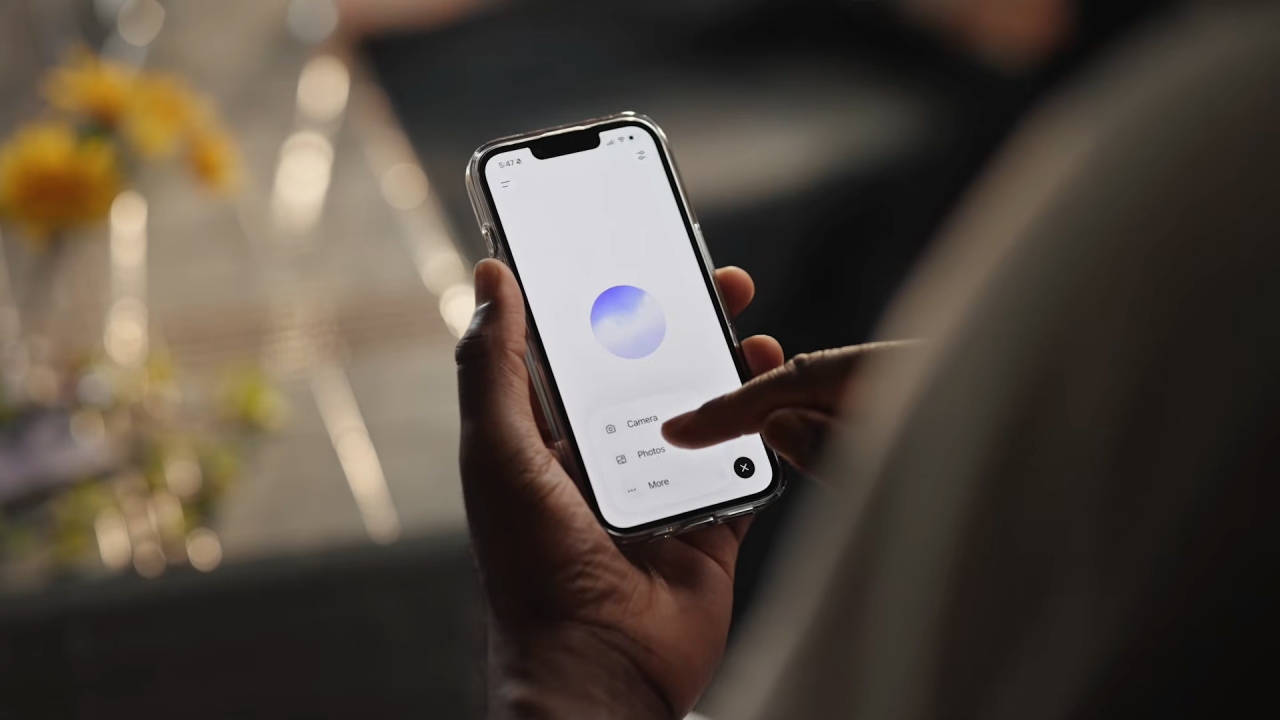
OpenAI revealed that over 150 million weekly users engage with ChatGPT via Voice and Dictation features. ChatGPT Voice powered by GPT-Live creates more natural conversations, letting users insert questions, pause to gather thoughts, or ask for slower speech. All nine ChatGPT voice options have been revamped for GPT-Live. Users can also choose thinking levels—Instant for fast replies, or Medium and High for more thorough responses.
Regarding listening, ChatGPT Voice waits for users to pause instead of interrupting and better focuses on user speech amid background noise. It also displays illustrative cards for topics like weather, stocks, and sports during conversations, and supports search, memory, images, and file uploads.
At launch, GPT-Live does not support voice with video or screen sharing in ChatGPT. However, OpenAI is developing these features for the near future. Users can still access the older ChatGPT Voice versions—Standard and Advanced Voice Mode—which are optimized for popular languages, although some accents may remain imperfect.