

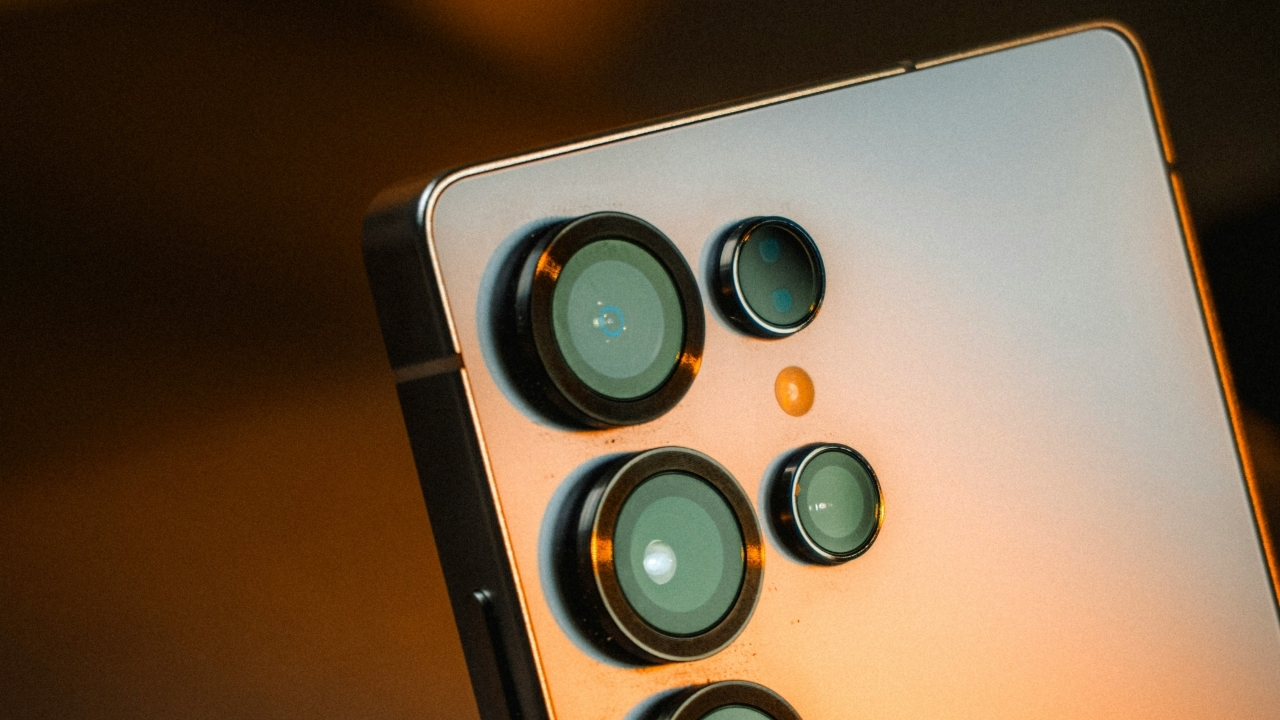
Market research firms Counterpoint Research and Omdia both report that Samsung has reclaimed the number one spot from Apple, amid a severe contraction in the smartphone market caused by the memory chip crisis.
In the second quarter of 2026, spanning April to June, the global smartphone market saw significant changes. Samsung returned to the top leadership position, surpassing Apple. Meanwhile, Apple set a record high for its Q2 market share despite the overall market shrinking due to the prolonged memory chip shortage expected to continue for some time.
According to reports published on 13 July 2026 by Counterpoint Research and Omdia, Counterpoint Research indicated that Samsung held a 24 percent global market share this quarter, up from 20 percent in the same period last year.
Apple followed with 20 percent, an increase from 17 percent, marking its highest-ever share for this quarter. Xiaomi held 12 percent, down from 14 percent; Oppo had 11 percent, down from 12 percent; and Vivo stood at 8 percent.

Omdia provided slightly different figures, stating Samsung’s market share at 22 percent, up from 20 percent in Q2 2025. Apple was at 20 percent, up from 16 percent. Xiaomi declined from 15 percent to 11 percent; Oppo from 12 percent to 10 percent; and Vivo from 9 percent to 8 percent. Other brands combined remained steady at 29 percent, unchanged from the previous year.
Counterpoint Research noted that global smartphone shipments dropped 11 percent year-over-year, the lowest since 2013, while Omdia reported a 4 percent decline this quarter, marking the weakest quarter since Q2 2023.
Both reports agree the cause is the prolonged shortage of DRAM and NAND memory chips. Chip makers continue prioritizing AI data center demand over consumer electronics, causing production costs to soar and forcing many smartphone manufacturers to raise prices, especially in the already low-margin budget and mid-range segments.
Chilpi Jen, senior analyst at Counterpoint Research, commented that the memory chip crisis has become the biggest drag on the smartphone industry, surpassing all other factors. What began as a component issue last year has now fully evolved into a demand problem.
Counterpoint Research forecasts that global smartphone shipments for 2026 may decline about 14 percent, with the memory chip shortage expected to persist into 2027. Manufacturers will continue to cut low-profit models, reduce storage capacity, and rely more on refurbished and older models while awaiting supply improvements.
Omdia stated that Apple delivered its best Q2 performance ever with a record 20 percent market share during a quarter typically weakest for sales. This was driven by a strong iPhone 17 upgrade cycle—the strongest in Apple’s history—and the advantage of not having increased iPhone prices while most competitors did. However, Omdia noted Apple raised prices on other product lines like MacBook and iPad late in Q2, so it remains to be seen if similar price hikes will affect iPhone sales later this year.
Counterpoint Research added that Samsung grew faster than competitors, supported by strong demand for the Galaxy S26 Series, improved supply, and aggressive promotions. Outside the top five, Google and Huawei saw satisfactory shipment increases, while premium Xiaomi models like Redmi Note 15, Redmi K90, and Xiaomi 17 series also gained popularity.
Finally, Omdia warned that a deeper shipment contraction may still be coming. They expect the next two quarters—typically peak demand seasons due to new product launches, holiday festivals, and shopping events—to face ongoing tight memory chip supply, potentially leading to even sharper declines in shipments.