

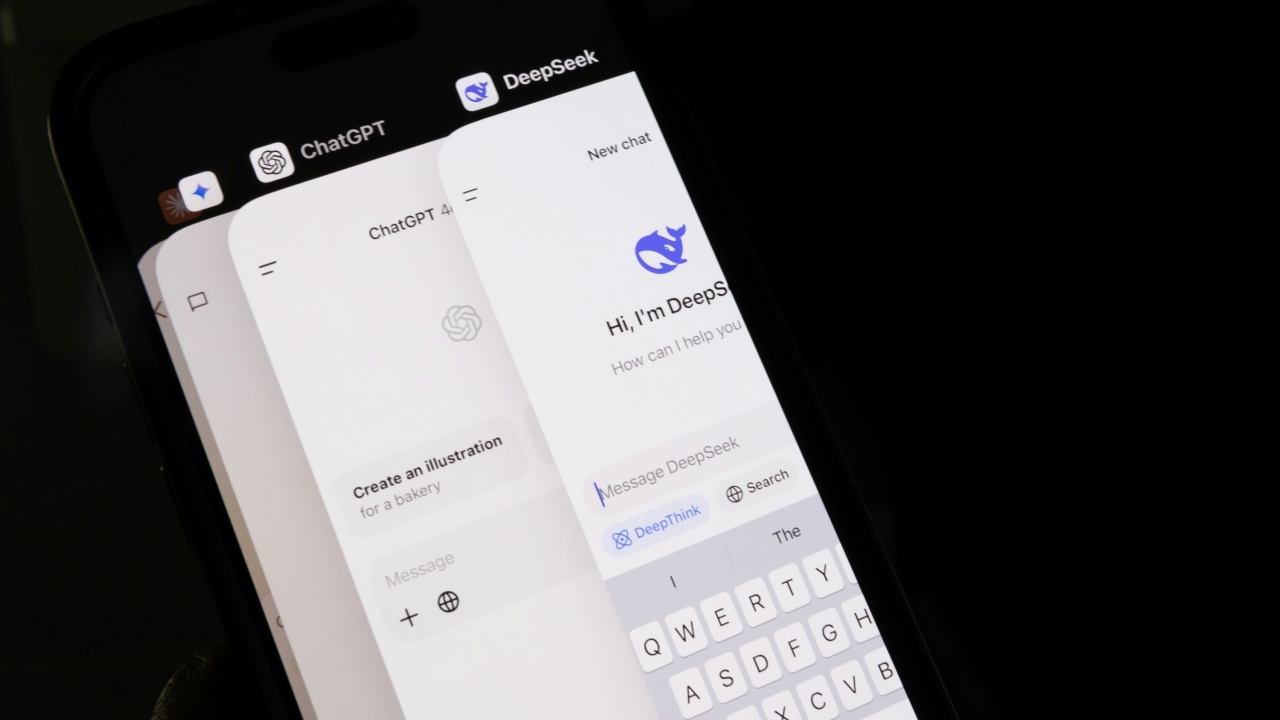
A team of computer science researchers found a way to extract AI concepts from various companies. They also uncovered potential evidence that Chinese AI firms may be distilling knowledge from AI models developed by U.S. companies.
Alexander Panfilov and researchers from the University of Tübingen, Max Planck Institute, AI security institute MATS Research, and cybersecurity firm Snyk discovered that typically AI companies send encrypted thought processes back to users' machines to reduce server processing load. When these encrypted data are fed into smaller models from the same company—models with weaker data protection—these smaller models reduce their defenses and reveal the AI's hidden thought processes. This same method can also extract sensitive information like passwords and API keys embedded within the thought processes.
However, this vulnerability has already been reported to AI developers Anthropic and OpenAI. Both companies have updated their APIs to mitigate the issue, preventing data extraction by this method. Still, Panfilov noted that some reasoning traces remain exposed through the same technique, and a complete fix would require a total API structural overhaul.
The same research team tested 90 questions and found that Moonshot AI's Chinese model, Kimi K3, produced results notably similar to Claude Opus 4.8 and GPT 5.6 Sol, U.S.-based AI models. In contrast, other tested open-source models like China's DeepSeek and the U.S.'s Thinking Machines' Inkling did not show such similarity.
The researchers did not definitively conclude that Chinese AI companies have distilled knowledge from U.S. AI models. Previously, OpenAI, owner of ChatGPT, and Anthropic reported to the U.S. Congress that Chinese AI firms DeepSeek and Alibaba had copied data from their models to create their own.
Moonshot AI did not respond to requests for comment by the time this report was published.
Knowledge distillation in AI has become a key topic of debate. U.S. security officials worry that China is using this technique to gain strategic advantages at a lower cost.
However, technology leaders like Mark Zuckerberg, CEO and co-founder of Meta, and several experts argue that knowledge distillation is normal and a crucial element driving the progress of the open-source ecosystem (Open Source). They warn that attempts to legislate restrictions would not only be ineffective but could also slow overall AI advancement and disadvantage the U.S. in global competition.
Source:Wired