

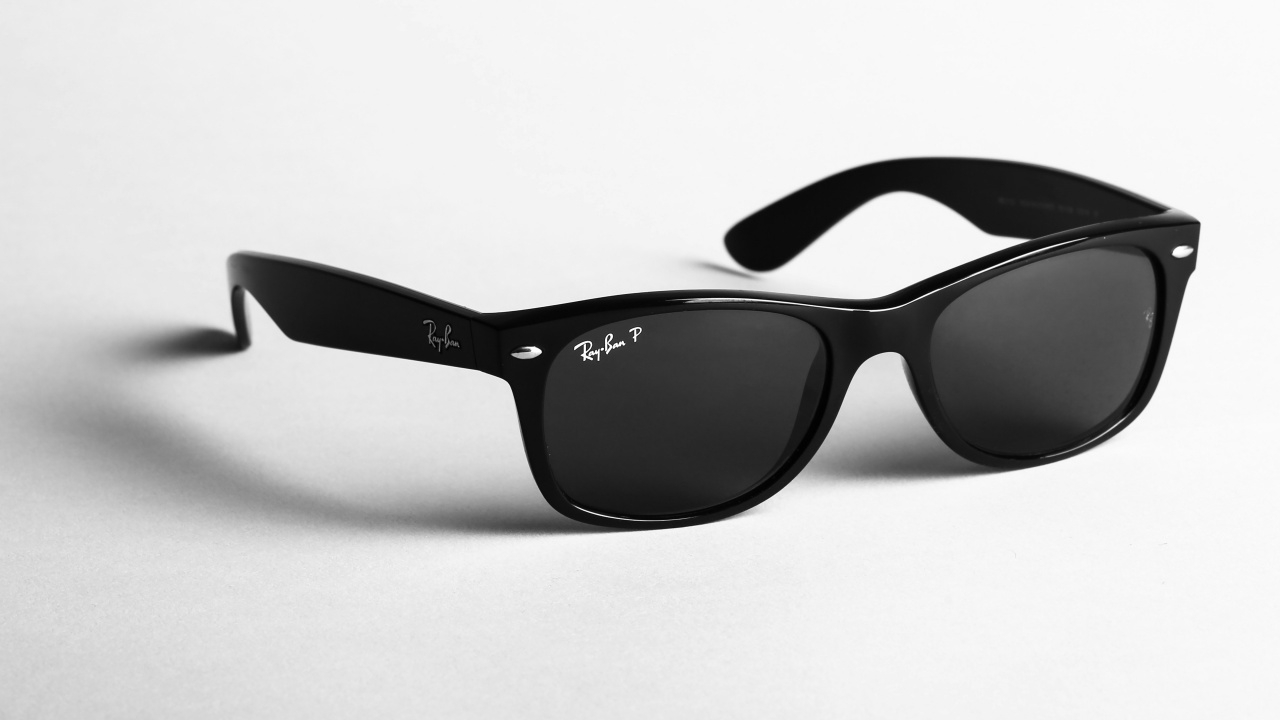
Norway's Digital Minister announced the creation of an expert panel to draft new regulations tightening control over smart glasses equipped with cameras. Meanwhile, the Consumer Council has urged retailers to stop selling these devices until the laws become clear and comprehensive.
The Norwegian government is set to issue stricter regulations on smart glasses and wearable devices with cameras. One proposed measure is to ban the use of facial recognition systems to identify individuals in public, following heavy criticism of such devices for privacy violations and unauthorized recording of others.
Karianne Tung, Norway’s Minister of Digitalization and Public Administration, stated on 25 August that the government will impose stricter oversight on smart glasses and is considering banning facial recognition use in public spaces.
Tung added that there is a clear trend of artificial intelligence being integrated with cameras and microphones embedded in glasses, headphones, hats, and everyday items. She emphasized the need to prevent these devices from being used to surveil others in public areas.
However, the announcement is not yet a formal law. The Norwegian government has not released draft legislation, timelines, or enforcement plans, but only outlined a direction and an example of what stricter rules might look like.
Tung said she will appoint an expert panel to advise the government on consumer protection and requested that public and private sectors develop their own interim guidelines while legislation is being drafted. The devices under consideration include internet-connected camera glasses from companies like Meta and Snap, which may soon add facial recognition features.
Finn Lützow-Holm Myrstad, head of digital policy at Norway’s Consumer Council, expressed support for the government's move but said it is insufficient. He called on stores to remove smart glasses from shelves until legal status is clarified, pointing out that banning only facial recognition does not prevent wearers from secretly recording others and highlighting potential misuse.
Norway is not alone in addressing public concerns. Australia’s eSafety Commissioner issued industry guidelines on 31 August requiring smart glasses to automatically blur faces of unconsenting individuals and to provide clearer recording indicators. These proposals include non-disableable recording indicator lights.
However, the Australian government clarified that these discussions do not include import bans on such devices.
On the manufacturers’ side, Meta took technical measures on 27 August 2026 by releasing software updates for Ray-Ban Meta, Oakley Meta, and Meta AI glasses to immediately stop recording if the recording indicator light is obscured, closing loopholes where users might cover the light after starting recording.
Concerns over covert recording are supported by research from the University of Sydney, which analyzed 350 publicly available Instagram videos worldwide. It found that approximately 60% showed 'ambient capture,' where men secretly recorded women in public places and shared the clips in threatening ways. Additionally, 43% of videos targeted women with derogatory comments, with some victims identified and having their personal information exposed.
However, this research is currently in preprint status and has not undergone peer review.
. Source:Android Police