

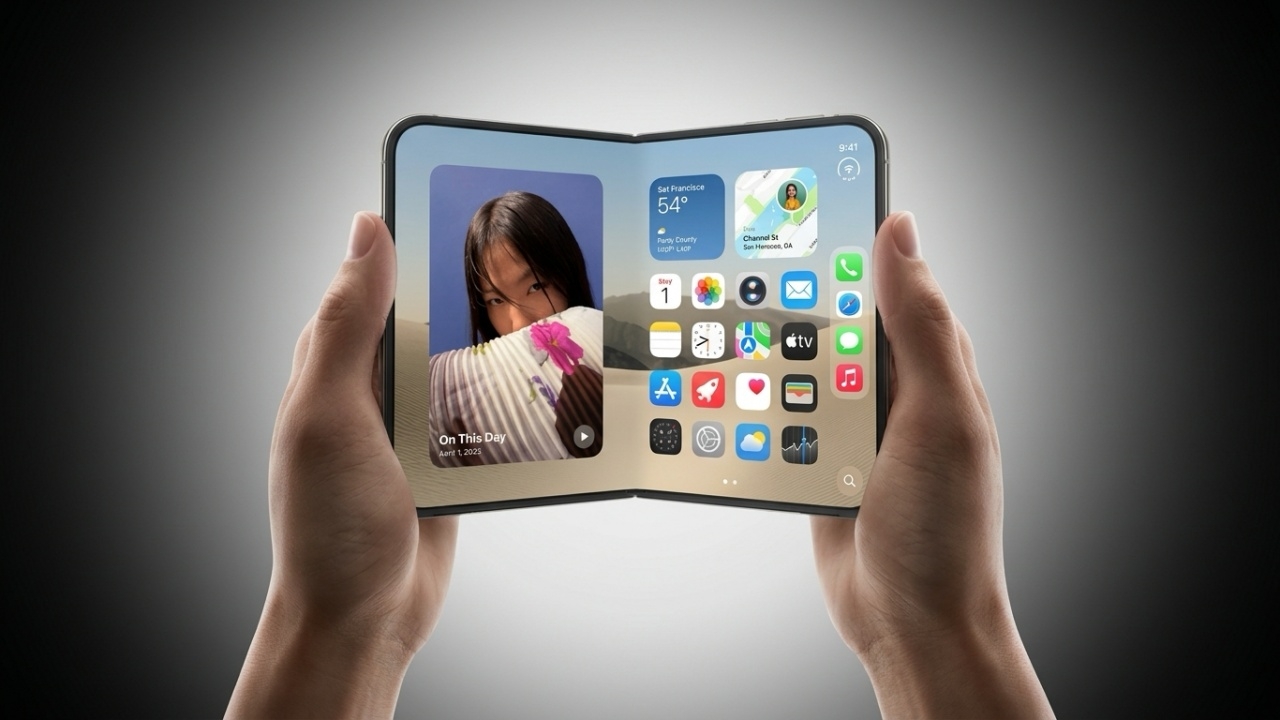
The iPhone Duo, Apple's first foldable smartphone, is a major bet by the company, which hopes to attract loyal fans to switch to the foldable model. Analysts predict it could capture up to 40 percent of the foldable market next year.
Market research firm IDC forecasts that Apple's first foldable smartphone, the iPhone Duo, will sell around 10 million units within the first 12 months after launch, generating about $27 billion in revenue for Apple.
Analysts view the iPhone Duo as a significant gamble for Apple to stimulate iPhone sales that have remained flat for several years by offering consumers something new.
Francisco Jeronimo, IDC's Vice President of Research and Analysis, stated that the iPhone Duo will bring innovation and attract premium customers willing to pay for the most expensive iPhones. He also believes the iPhone Duo will encourage frequent upgraders to replace their devices sooner, as novelty is an important factor for certain consumer groups.
Analysts also believe that consumers who currently buy the already expensive iPhone 17 Pro and iPhone 17 Pro Max might switch to the iPhone Duo instead. Meanwhile, trade-in programs and increasingly popular installment plans will further support sales of Apple's new product this time around.
For Apple, the overall foldable smartphone market sales provide a strong reason to enter this segment. IDC notes that global foldable smartphone revenue in 2025 is expected to increase by 16 percent compared to the previous year, while traditional smartphones will grow by 7 percent.
IDC also predicts that Apple will gain a significant share of the foldable market from the iPhone Duo alone. Last year, Android foldable smartphones held nearly 90 percent of the market. In 2026, Apple is expected to have about 30 percent market share compared to Android's 50 percent, and by 2027, iOS's share in the foldable smartphone market will reach 40 percent.
Interestingly, iPhone revenue has remained almost unchanged and quite flat from 2022 to 2025, growing just 4 percent according to the latest fiscal year ending September 2025. This growth was supported by users who had kept their devices for about four years before upgrading.
/source:The Information