

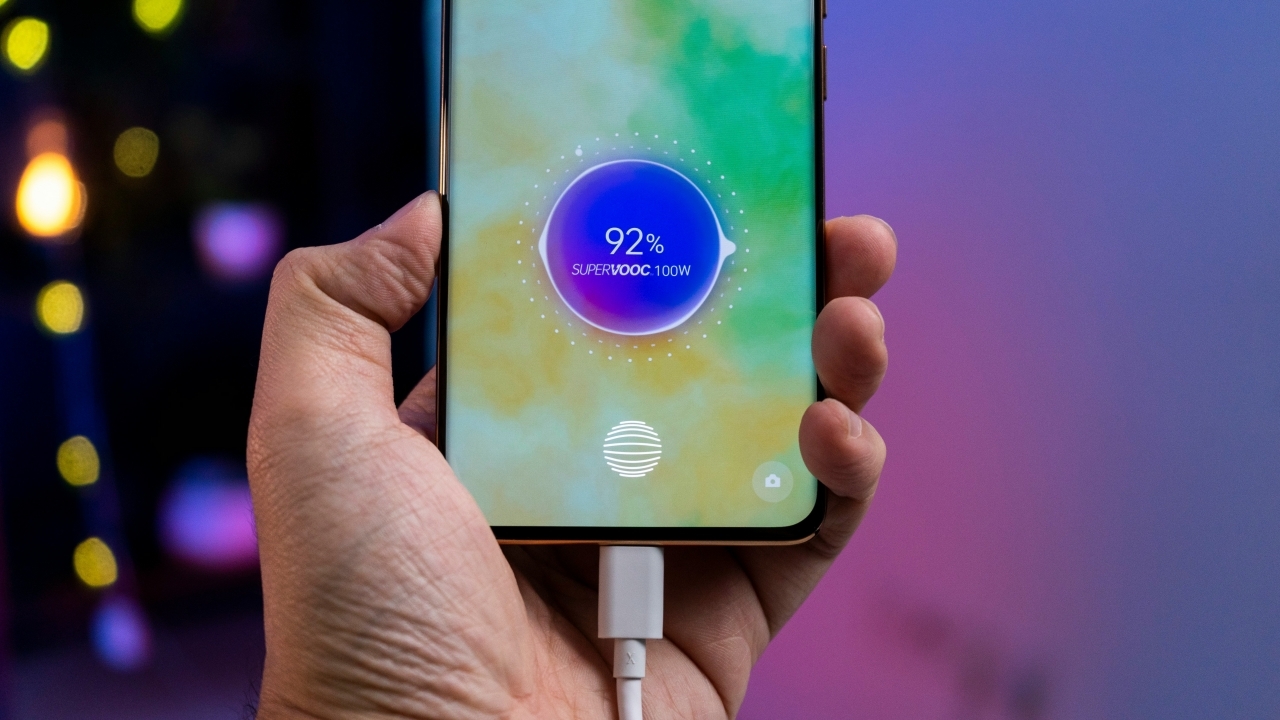
When floodwaters reach the level of electrical outlets, the circuit breaker must be switched off for safety, and using electrical devices while wet is prohibited. The only safe time to charge devices is before the water arrives. Therefore, preparing by fully charging all devices is essential.
On a normal day, a smartphone battery at about 20 percent signals the need to recharge. But on a day when floodwater enters the home and power is cut, that same percentage might be all the energy left for making emergency calls, receiving alerts, and contacting family members.
Electrical safety guidelines during floods advise that if water reaches outlets or poses danger, the circuit breaker must be switched off and electrical devices must not be touched or used while wet or standing in water. This means that once the water arrives, plugging in devices is no longer an option. The time to prepare these devices is while power is still available.
Smartphones are the most important device for calling emergency lines, tracking flood status via applications, and receiving alert messages through the Cell Broadcast system, which can send messages even without internet, provided the phone is on.
Power banks should be fully charged and stored in waterproof bags along with charging cables, as they serve as backup power sources for electronic devices.
Rechargeable flashlights are useful for lighting during nighttime power outages. If using battery-powered flashlights, prepare spare batteries since they do not rely on household electricity.
Laptops and tablets can be used to follow news updates. Fully charged laptops can also serve as backup power sources by connecting USB cables to charge smartphones.
Portable rechargeable fans are very helpful during hot nights without power, especially for homes with young children, elderly, or sick individuals.
When the power goes out, enable power-saving mode on smartphones, reduce screen brightness, turn off Bluetooth and location services when not needed, close unnecessary apps, and use text messaging instead of video calls. However, avoid turning off the phone or using airplane mode for long periods, as this may cause you to miss emergency alerts and rescue calls.
To charge power banks safely, do so while awake and alert to monitor the situation continuously. Avoid charging on beds, under pillows, or inside sealed bags.
It is crucial to use appropriate, high-quality chargers and cables. Disconnect charging cables once fully charged, and stop using power banks immediately if you notice swelling, abnormal heat, or strange smells.