

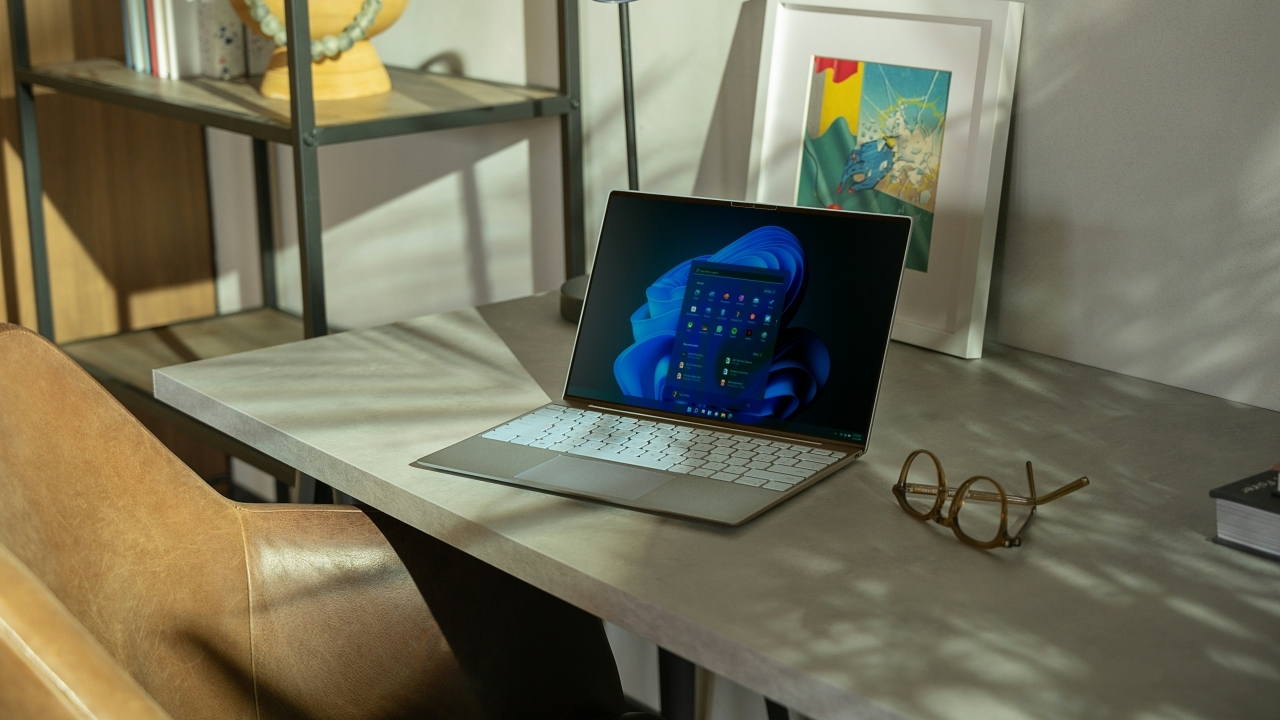
With rising costs of CPU, RAM, and SSD components, laptop shipments are expected to decline next year, ultimately forcing manufacturers to raise prices.
TrendForce, a market research firm, revealed in a report that global laptop shipments in 2027 are projected to decrease by single-digit percentages due to continuously increasing costs of key components such as CPUs, DRAM, and SSDs. If DRAM and CPU prices remain high, brands may pass the burden onto consumers, potentially causing a significant shipment decline throughout the year.
TrendForce noted that the main risk for the laptop market next year will shift from component shortages to the impact of higher costs on consumer demand. With retail prices rising, the computer replacement cycle may lengthen. The severity of the decline will depend on whether manufacturers pass costs to consumers or absorb them at the expense of profit margins.
The TrendForce report cited an example of a mainstream laptop model, unnamed, with a retail price of about $900 in Q3 2026. CPU, DRAM, and SSD costs accounted for 68% of the total material and component costs. If component costs continue rising next year, the brand will likely face three choices.
The first is to raise retail prices, risking weaker consumer demand.
The second is to absorb the higher costs themselves, accepting lower gross profit margins. The third is to reduce device specifications, which may hurt competitiveness.
TrendForce believes that in 2027, manufacturers will face a situation where maintaining price levels, specs, and profitability simultaneously will be nearly impossible.
Laptop shipments in 2026 were supported by several factors, including smoother CPU supply, early orders from manufacturers, and accelerated replacement demand. Some purchases originally expected in the second half of 2026 were brought forward, which may slow replacement demand thereafter.
Meanwhile, low-cost component inventories previously stockpiled by laptop brands are depleting, increasing direct pressure from higher CPU, DRAM, and SSD prices.

On the supply side, TrendForce expects DRAM to remain tight next year due to AI-related demand, with limited potential for production capacity increases for PC DRAM. NAND Flash memory tightness is expected to ease in the latter half of 2027 as new production capacity comes online.
The report also noted that if import tariff pressures do not increase, some laptop production may shift back to China to reduce costs. TrendForce projects China's share of global laptop production will rise from 76% in 2025 to 79% in 2026 and could surpass 80% in 2027.
. Source:TrendForce