

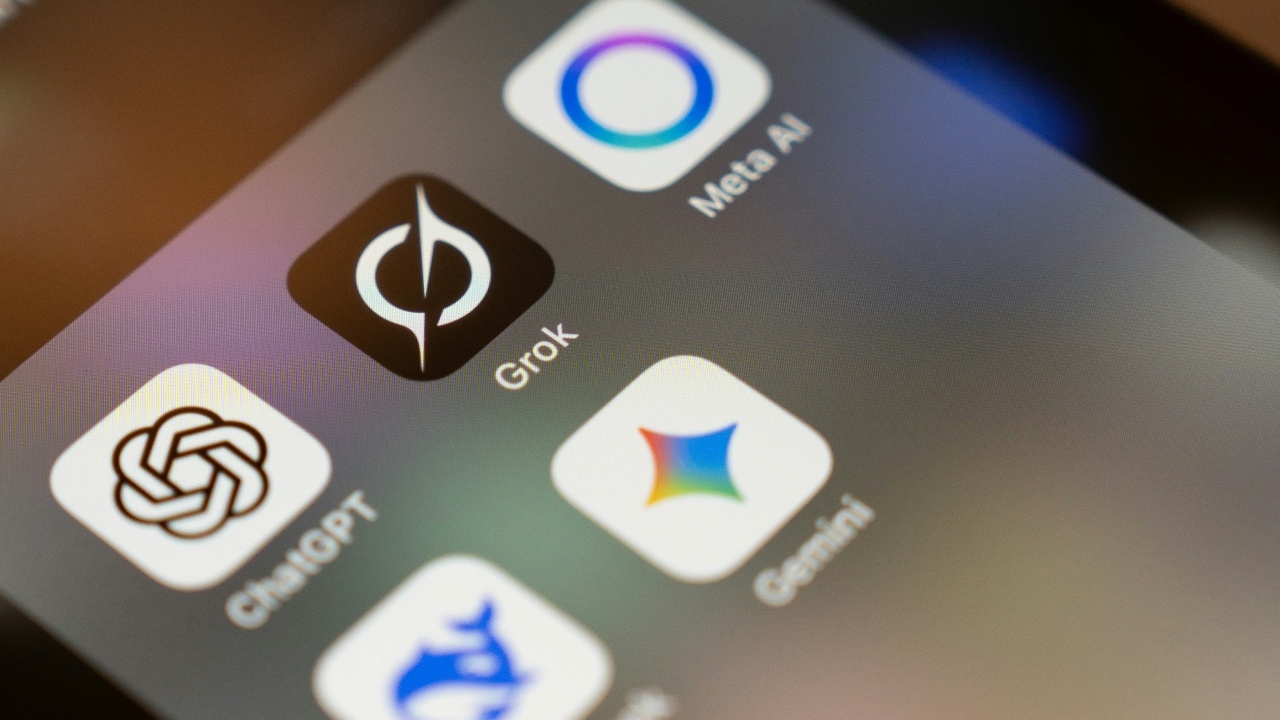
The JED Foundation found that students who use AI as companions or turn to it in times of distress exhibit higher rates of anxiety, depression, and loneliness. Psychologists warn that increased reliance on AI may further impair their real-life stress coping skills.
The JED Foundation, a U.S. youth mental health organization, released a survey of about 5,500 students aged 9 to 17 from schools nationwide. It found that 90 percent had used AI chatbots; 58 percent used them to help with homework, and a similar proportion—57 percent—used AI when feeling sad, stressed, lonely, or overwhelmed.
The survey also found that certain types of AI use, such as using it as a friend or emotional support, are linked to poorer mental health, although researchers stress that the data does not prove AI causes these problems.
Additionally, 12 percent of respondents said they used AI for companionship or to ease loneliness, and more than one in four sought AI advice on relationships or problem-solving.
However, although most students activated AI during emotional distress, only 8 percent intentionally sought emotional support directly from AI.
Kayla Anderson, a psychologist and vice president of research and evaluation at the JED Foundation, explained that the research team examined both youth AI usage patterns and their relationship with well-being indicators, histories of suicidal thoughts or attempts, and mental health. The results showed that youth using AI during distress tend to report poorer mental health and well-being and may have increased self-harm risk. The report found no overall link between general AI use and worsened mental health.
Anderson cautioned that the data cannot determine whether AI use causes poorer mental health or if already distressed children are more likely to turn to AI.
Anne Mahieu, a developmental psychologist at the University of North Carolina at Chapel Hill who was not involved in the survey, observed that children's behaviors have changed rapidly. A few years ago, hardly anyone used this technology, but now the number of children using AI for homework is nearly equal to those seeking emotional support from it.
Mahieu noted this relationship may be bidirectional: children with poor mental health turn to AI, and AI use may exacerbate problems rather than help. Her team’s forthcoming research on middle school students in one U.S. state found that those using chatbots as friends felt increasingly lonely over time, with similar findings in older adolescents. She explained that while AI can temporarily alleviate loneliness, anxiety, or stress, reliance on it might prevent youth from developing real-life stress management skills, leading to worsening mental health long-term.
Experts have long worried that chatbots tend to mirror users’ emotions, potentially reinforcing anxiety rather than alleviating it, and sometimes providing inappropriate or harmful advice. In some cases, prolonged emotional conversations with chatbots have been linked to user deaths. Consequently, the JED Foundation recommends parents avoid allowing children to use AI as companions and to regularly discuss their AI usage.
/source:Futurism