

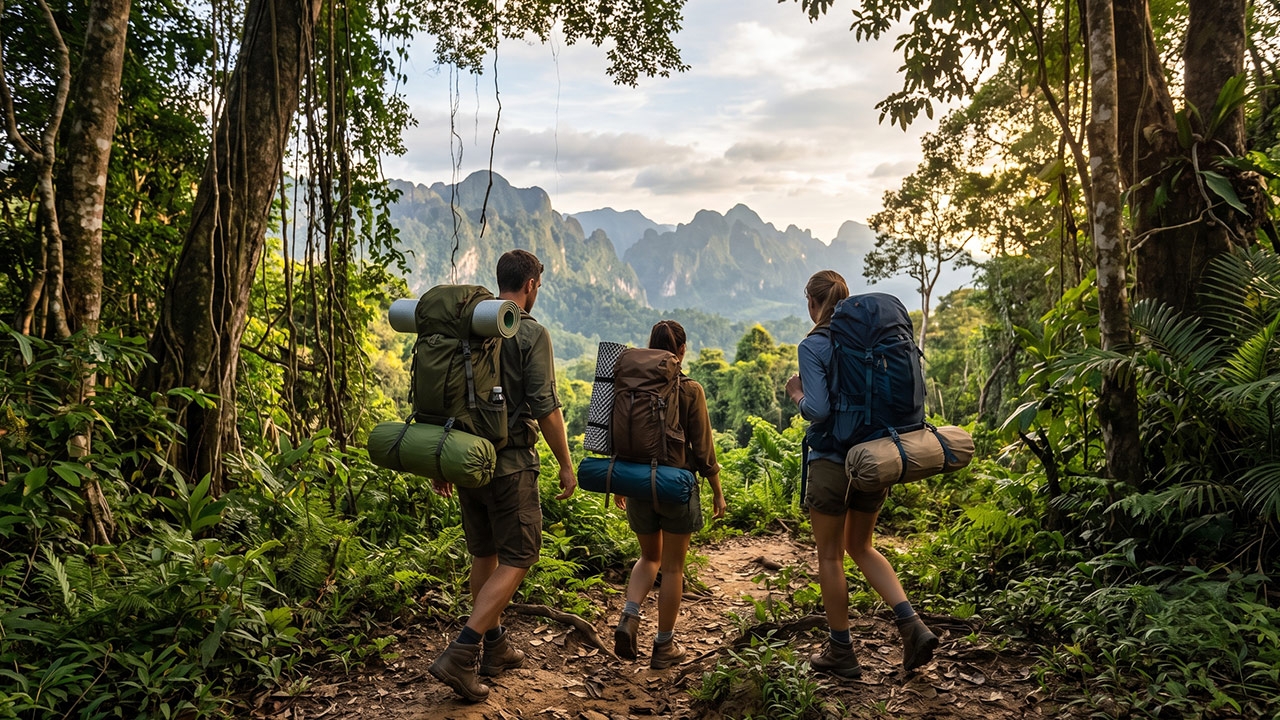
Campers, take note! The Huai Kha Khaeng Wildlife Sanctuary has announced a temporary closure of its camping area after a tragic incident where a tiger attacked and killed a park ranger. This measure aims to ensure maximum safety and allows experts to investigate animal behavior. Meanwhile, five alternative camping locations are offered to keep your trips on track.
This development is urgent news for nature lovers and camping enthusiasts. The Huai Kha Khaeng Wildlife Sanctuary, a natural World Heritage site, has temporarily closed its camping grounds. Thairath Online summarizes the key reasons behind this decision and offers alternatives and essential rules for those wishing to experience wildlife areas.
The closure is not a routine seasonal shutdown but was triggered by a tragic incident in which a tiger attacked and killed a forest ranger within the sanctuary. This heartbreaking event highlights the constant dangers present in deep forest areas.
The sanctuary authorities have therefore decided to temporarily close the camping areas, with the main objectives being:
Ensuring the highest level of safety for visitors and the general public, as the exact behavior and location of the tiger involved remain unknown.
Allowing experts to conduct their work Officials and tiger specialists need to intensively study, monitor behavior, and gather detailed data in the area to assess the situation and develop strategies to prevent similar incidents.
As a result, campers planning to experience the raw nature of Huai Kha Khaeng during this period must postpone their plans until further notice.

Although Huai Kha Khaeng is closed, Thailand offers many other natural areas where camping is allowed under official supervision. Thairath Online has selected five alternative locations for you.
A popular landmark easily accessible with standard camping sites like Lam Ta Khong. While wildlife such as deer and elephants occasionally visit, a management system and attentive staff ensure safety, making it ideal for beginners.
A newly recognized World Heritage site known for its biodiversity. You can camp by the reservoir or ascend to the misty peak at Pha Nern Thung (check opening times for the Pha Nern Thung camping area).
Perfect for those seeking tranquility and beautiful pine forests. The atmosphere is mountainous and not far from Bangkok.
Known for "Chong Yen," where the weather stays cool year-round. This camping spot is favored by bird watchers and those who appreciate peace and quiet.
(Note: Recently upgraded to national park status) Suitable for families, with waterfalls for recreation and well-organized camping areas.
The incident at Huai Kha Khaeng reminds us that "The forest is the home of wildlife." Visitors must strictly respect the rules, especially in wildlife sanctuaries that enforce stricter regulations than general national parks. These are critical prohibitions often overlooked:
Absolutely no loud noises. Playing music, using loudspeakers, or shouting disturbs wildlife, disrupts their sleep, impairs their instincts, and can attract certain animals.
No cooking strong-smelling food or littering food scraps. Food odors attract wildlife, including tigers and bears. Leaving food waste harms animal behavior and poses long-term danger to humans.
No alcohol allowed. To prevent loss of self-control and disturbances.
No feeding wildlife. Well-meaning feeding causes animals to crave human food and may lead to aggression when it’s not provided.
No pets allowed. To prevent disease transmission to wildlife and protect pets from wild animals.
Modern campers enjoy checking in, but sharing photos in protected forest areas requires caution.
Do not post images of rule-breaking activities. Photos of drinking alcohol, feeding monkeys, or camping outside designated areas can serve as evidence for authorities to take action.
Be careful when revealing locations of rare wildlife. If you encounter rare animals like tigers or gaur, avoid sharing exact locations immediately, as this could expose them to poaching.
The tragic event at Huai Kha Khaeng serves as an important lesson urging us to explore nature responsibly. This closure prioritizes everyone’s safety. If you plan to travel, choose the recommended alternative sites and strictly follow regulations to coexist sustainably with nature.