

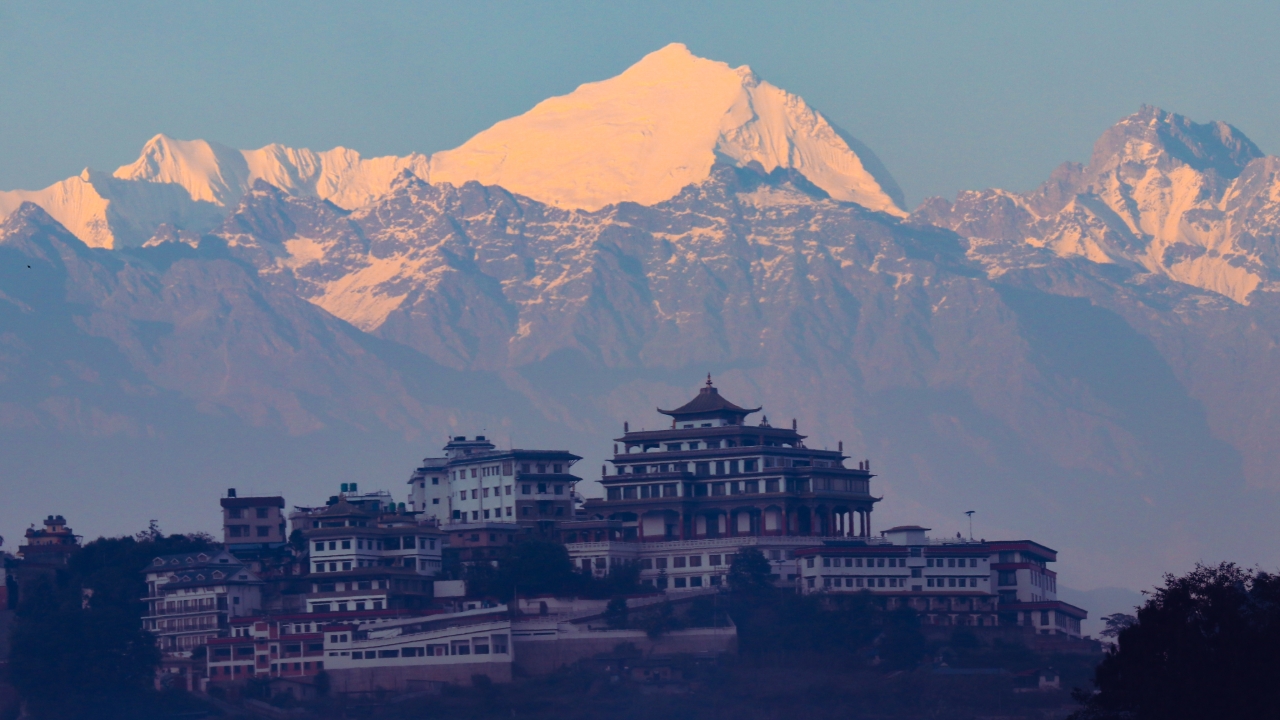
Getting to know “ Nepal ” a small country in South Asia without a coastline, distinguished by its diverse landscapes ranging from lowlands to Mount Everest, a dream destination for travelers worldwide.
Nepal is not just about snowy mountains; it also features hills, valleys, plains, and highly varied climates depending on altitude. This diverse geography makes Nepal a key destination for nature lovers, mountaineers, and those interested in South Asian history and culture.
Nepal is in South Asia, south of the Himalayas, landlocked without sea access. Its capital, Kathmandu, lies in the Kathmandu Valley, serving as the political, economic, cultural center and gateway to the country's tourist areas.
Which countries border Nepal?

Looking at a world map, Nepal stretches from west to east between the large countries of China and India. Although not very large, its terrain varies dramatically from low southern plains to the world's highest peaks in the north.
Nepal is often called the “Gateway to the Himalayas” because it encompasses part of the Himalayan mountain range and hosts many of the world's highest peaks.
The most famous peak is Mount Everest which sits on the border between Nepal and Tibet and is recognized as the world's tallest mountain at about 8,849 meters above sea level.
Besides Everest, Nepal has many important peaks, especially well-known trekking routes such as the “ Annapurna Circuit ” which makes the country a global hotspot for mountaineering, trekking, and enjoying Himalayan scenery.

Nepal's geography is divided into three main regions from north to south: the high mountain region, the hills and valleys region, and the southern plains.
1. Northern Himalayan region
The northern area is mountainous, part of the Himalayas, with steep peaks, glaciers, and snowy landscapes. It is generally cold, especially at higher altitudes. Population is sparse due to the rugged terrain, but it is a major tourist draw, especially the Everest trekking routes attracting visitors year-round.

2. Central hills and valleys region
Below the mountains lies the hills and valleys with slopes and valleys suitable for settlements. This region includes key cities like Kathmandu and Pokhara.
Kathmandu Valley holds historical and cultural significance with palaces, Hindu temples, Buddhist stupas, and ancient communities. Pokhara is famous for its lakes and views of the Annapurna range.

3. Southern plains region
The southern part is the Tarai plains, contiguous with northern India’s plains. It is lower in elevation, warmer, and a vital area for agriculture and population settlement in Nepal.
Nepal's climate varies distinctly by altitude. The southern plains experience hot, monsoon-influenced weather; the central hills enjoy milder temperatures; and the northern mountains are cold with snow cover. The monsoon season brings heavy rains, while clear weather seasons offer the best trekking and mountain views.
Nepal stands out for its blend of nature, religion, and culture. Visitors can choose from various experiences such as:

Being home to Mount Everest and many other high peaks, Nepal is recognized as the “ Gateway to the Himalayas ” while its religious sites, historic cities, and ethnic diversity give it charm beyond mountaineering, appealing to adventurers, pilgrims, and cultural travelers alike.
Source:britannica.com