

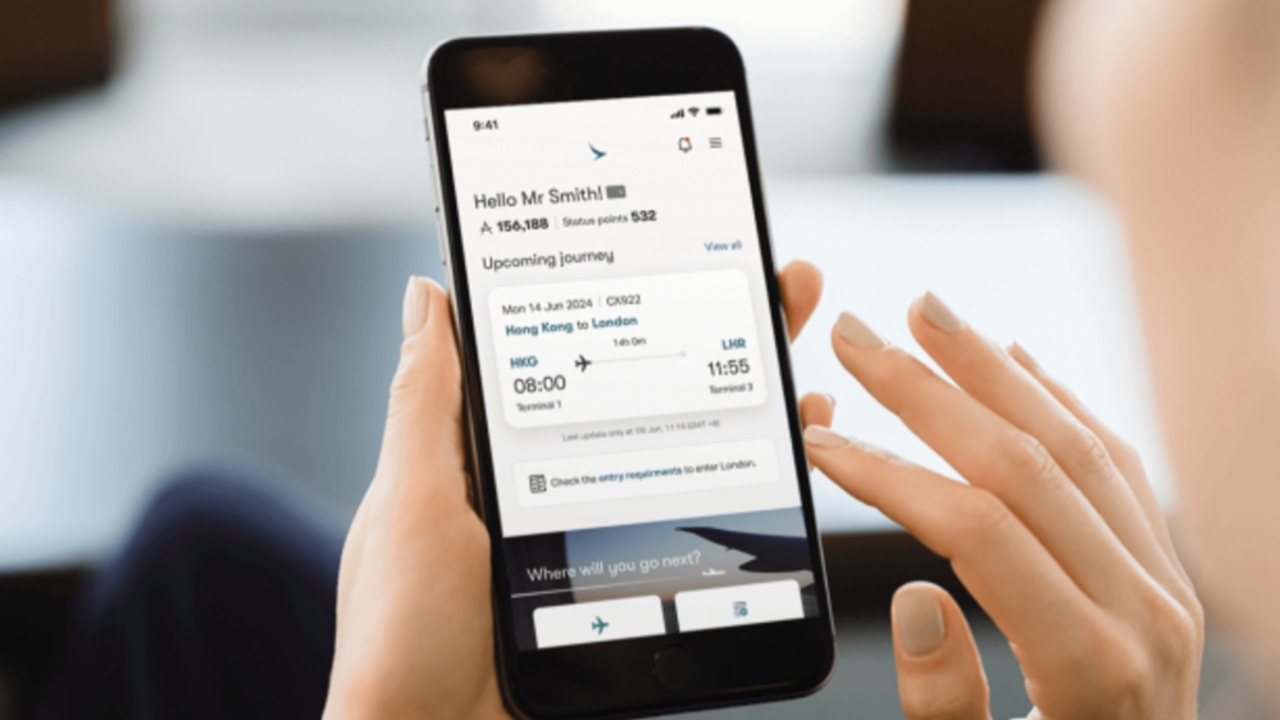
The evolution of travel from handwritten tickets to applications reflects technological changes, but what modern passengers seek is not just speed, but attentive service.
When thinking about air travel, many picture pilots flying planes or flight attendants caring for passengers onboard. Yet the passenger experience actually begins at the airport entrance, supported by behind-the-scenes ground operations staff.

Looking back, air travel was vastly different from today in almost every aspect. Wanphen Praipoom, Duty Airport Operations Manager with over 35 years of ground operations experience and a key figure managing millions of travelers, shared that in the past, passengers had to collect handwritten paper tickets at service offices. Changing routes took considerable time and required high accuracy, as in the case of issuing five sets of handwritten round-the-world tickets covering 18 flights across five continents under tight time constraints before check-in counters closed.

Today, technology has completely transformed travel. Every step—from flight search, check-in, seat selection to payment—can be done via smartphone within minutes, marking a full transition into the digital era.
Today's traveler lifestyle goes beyond just "safety" or "punctuality" as in the past, encompassing the overall customer experience, which includes:
However, despite digital systems enabling faster work and fewer errors, ground operations experts note that passengers still value "warm and attentive service," especially in unexpected situations like flight delays, weather issues, or technical faults. Human coordination, accommodation arrangements, information communication, and care for special assistance groups remain critical factors in easing concerns that technology cannot replace.

Technology and automation enhance convenience in modern travel lifestyles, but the role of "people" and sincere service remains the core that artificial intelligence or digital systems cannot replace. The blend of advanced technology and heartfelt service forms the balance that creates the most complete travel experience.