

Loss "Tong Wong Two" The famous 90s singer reminds us of the dangers of 'nasopharyngeal cancer' Check early warning signs and stage 4 treatment approaches
The news of the passing of "Tong Wong Two" Suraphan Jamlongkul the famous 90s singer due to nasopharyngeal cancer has deeply saddened fans nationwide and serves as a cautionary reminder for society to raise awareness of this serious disease.
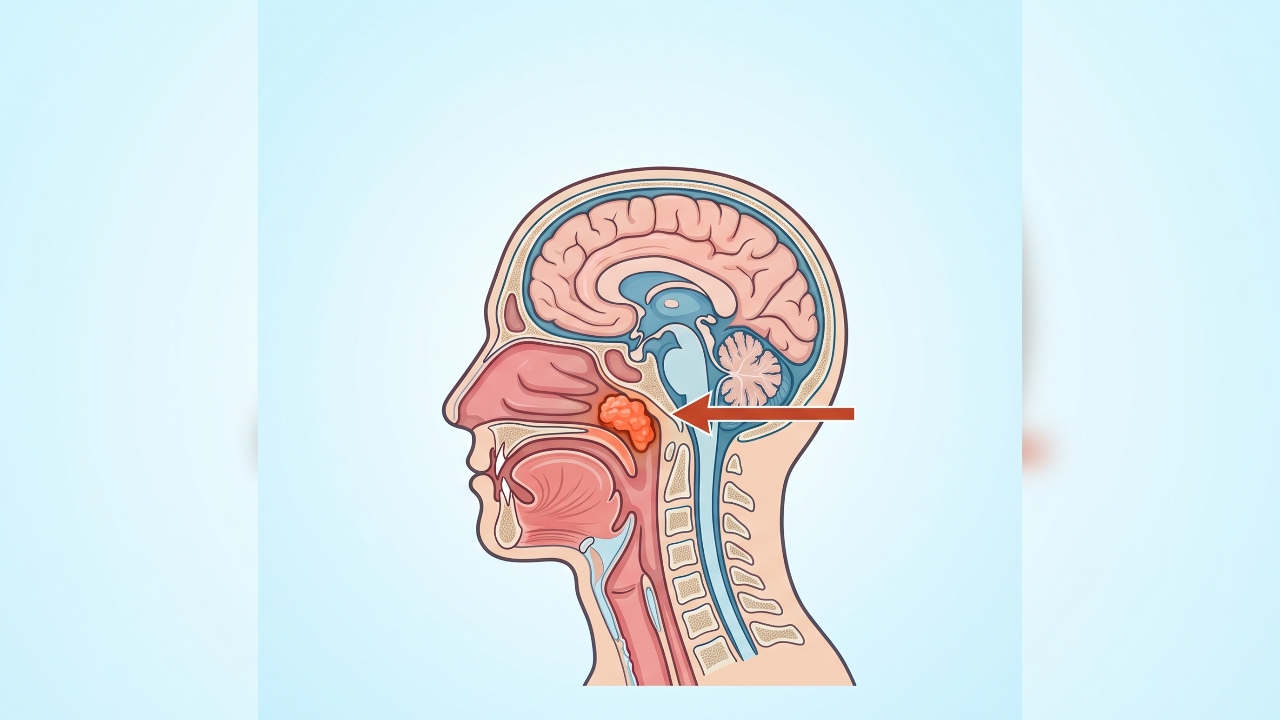
According to data from the National Cancer Institute and leading hospitals in Thailand, nasopharyngeal cancer is common in Southeast Asia, especially in men aged 30–50. Because the nasopharynx is located behind the oral cavity and beneath the base of the skull, early-stage patients often show no symptoms or present signs similar to allergies or chronic colds until the disease is advanced.

The Faculty of Medicine at Ramathibodi Hospital, Mahidol University, states that nasopharyngeal cancer usually has no obvious symptoms initially, but if abnormal signs persist for more than 2–3 weeks, patients should promptly see an ENT specialist for immediate endoscopic examination.
Medically, stage 4 nasopharyngeal cancer is divided into main subgroups as follows:
1. Locally advanced stage cancer cells have invaded the base of the skull, eye socket, cranial nerves, or large lymph nodes in the neck extending to the clavicle area
2. Metastatic stage cancer cells have spread through blood or lymphatic systems to other organs such as bones, lungs, or liver
Experts from Ramathibodi Hospital explain that although it is stage 4, nasopharyngeal cancer responds better to radiotherapy and chemotherapy than other head and neck cancers. The main treatment methods include:
For patients with metastatic or recurrent disease, doctors may consider targeted drugs that inhibit cancer cell growth or immunotherapy that stimulates the immune system to attack cancer cells, improving survival rates and longer disease control.
Generally, surgery is not the main treatment due to the tumor’s difficult location. However, it may be considered for residual lymph nodes after radiotherapy or localized recurrent tumors.
Beyond disease control, palliative care and quality of life support are vital. The Ramathibodi medical team emphasizes these key points:
Be vigilant for physical abnormalities in yourself and close ones. If you notice persistent one-sided nasal congestion, nosebleeds, or a lump in the neck, promptly see a doctor for early diagnosis, as early detection greatly increases the chance of a cure.