

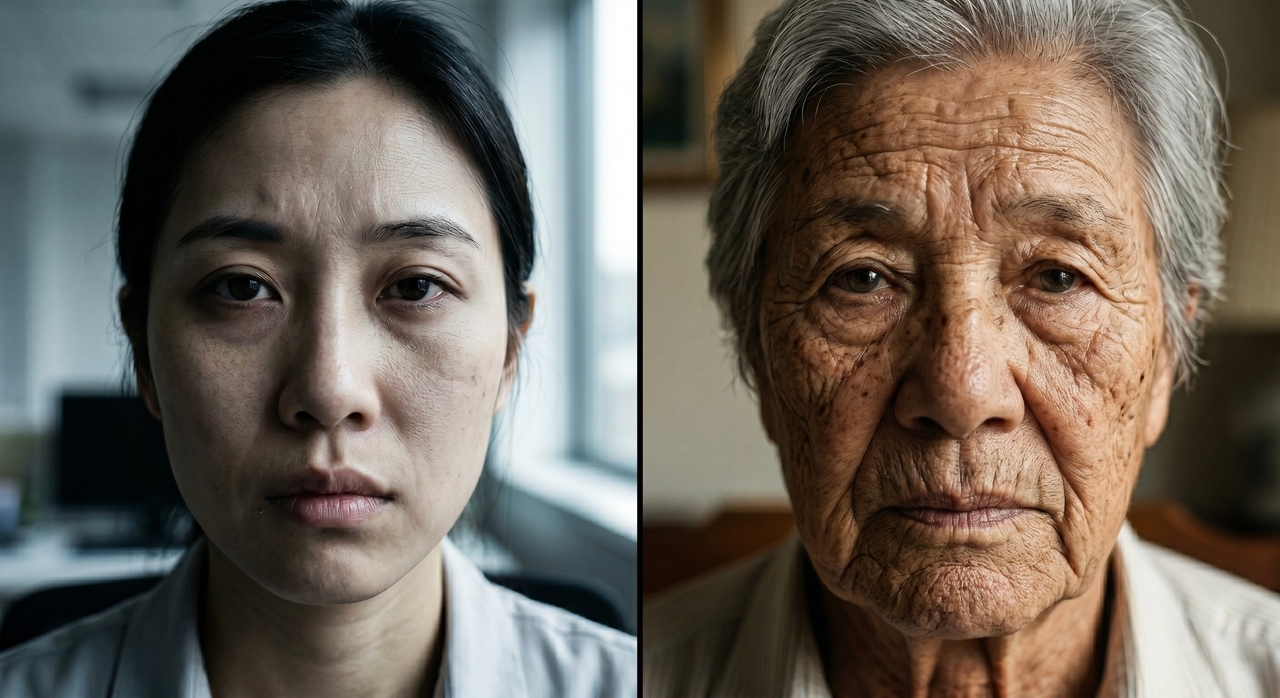
Being 30 years old but having a body that feels like 50 is no laughing matter. Check these 5 warning signs of "premature aging." A silent threat for working adults, along with ways to adjust your lifestyle to repair damaged cells and regain youthfulness before illness strikes.
Many people wonder why they feel tired, get sick easily, and lack the vitality of previous generations despite being young. Medical research in Anti-Aging Medicine shows that human age has two dimensions: Chronological Age and Biological Age.
. . . "Premature aging" (Premature Aging) refers to cells and bodily systems deteriorating faster than the actual calendar age. This is not caused only by genetics but mainly by lifestyle factors such as chronic stress, high sugar intake, insufficient rest, and pollution. These all accelerate chronic inflammation, reducing the body’s ability to repair itself.
Symptoms indicating your body is protesting and deteriorating prematurely can be observed both externally and internally as follows.
Feeling tired all the time despite sleeping 7–8 hours, waking up still unrefreshed and lacking energy for daily activities, relying constantly on coffee or energy drinks.
Dry, dehydrated skin with early deep wrinkles, dull complexion, or issues like premature hair loss and graying, caused by faster-than-normal destruction of collagen and elastin proteins.
Gaining weight rapidly despite unchanged food intake, developing belly fat, and irregular digestion are clear signs that your metabolism is declining.
Experiencing back, neck, shoulder pain similar to office syndrome or joint aches more easily than usual, reduced body flexibility, and longer recovery times after injuries or intense exercise.
Easily forgetting short-term things, mental sluggishness, difficulty concentrating on tasks, and worsened emotional control with increased irritability.
If you notice these symptoms, avoid behaviors that accelerate bodily deterioration, including:
The best starting point to fix cellular deterioration is to change your habits.
Premature aging is a silent warning that our fast-paced lifestyle is harming our health without us realizing it. Regularly noticing changes in physical fatigue or mental exhaustion helps us respond and correct course in time. Prioritizing nutrition, sleep, and stress management is an investment against aging and a sustainable way to regain strength.