

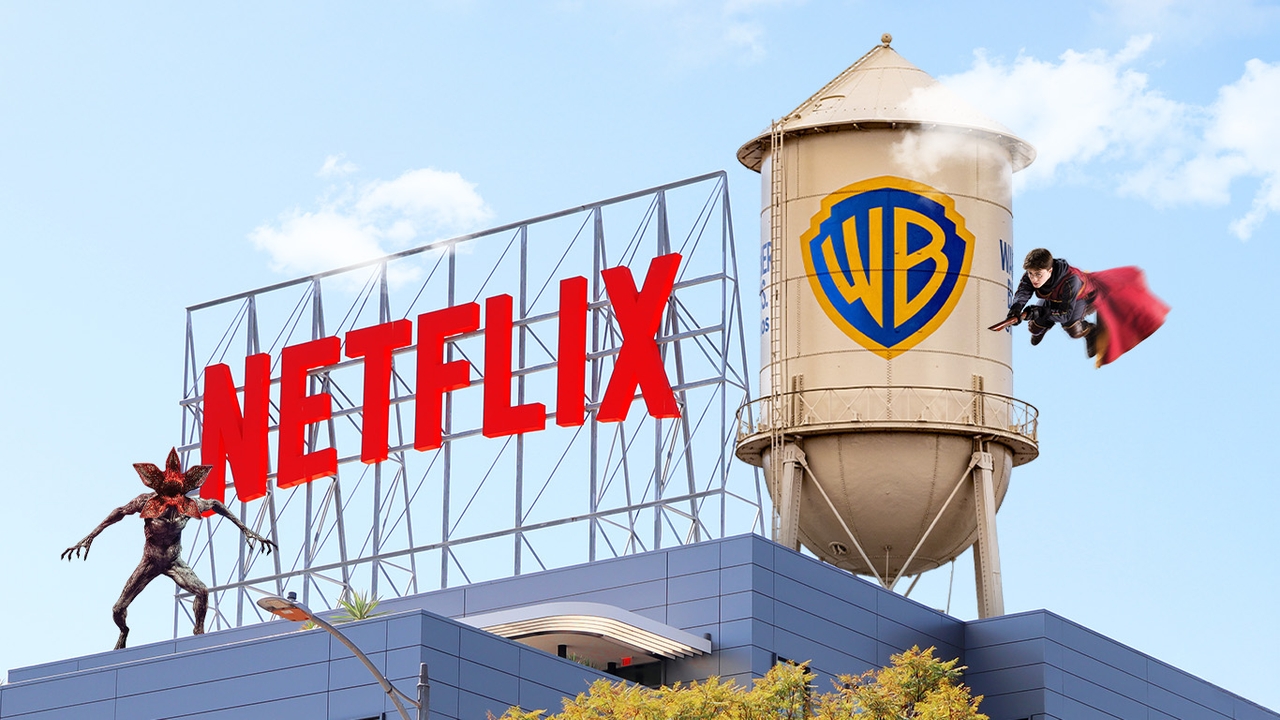
A major media industry headline emerged as Netflix announced its deal to acquire Warner Bros (WB) from Warner Bros Discovery (WBD) for over $82.7 billion, becoming one of the biggest deals in film and television history.
The acquisition includes Warner Bros' film studios, movies, series, and shows such as Harry Potter, Superman, the DC Universe, as well as streaming platforms HBO and HBO Max, along with Warner Bros’ television studios.
Meanwhile, Discovery Global under Warner Bros Discovery will be spun off as a separate company and is not part of the Netflix deal. Discovery will retain TV channels like CNN, Discovery, and TNT.
Surprisingly, Netflix was not the only bidder for WB; major players like Paramount, Skydance, and Comcast also competed. Netflix won by offering $27.75 per share, beating Paramount's $27 per share bid, which included both WB and Discovery.
The deal shows Netflix’s strategic prowess in outbidding two other giants, selling Warner Bros at a higher price than its valuation when CEO David Zaslav took charge more than three years ago.
Netflix is a leading streaming service with over 300 million subscribers worldwide, producing its own movies and series, and has been a client of Warner Bros.
This acquisition marks Netflix’s first major purchase, as its founder and chairman Reed Hastings had long intended for Netflix to build content internally. This approach helped Netflix grow from a Silicon Valley startup to a global streaming powerhouse.
. . .CBSreported that acquiring Warner Bros’ studios represents a major strategic shift for Netflix. Although Netflix already produces original hits like Stranger Things, the acquisition will dramatically boost its content creation capabilities and grant access to Warner Bros’ 102-year archive of films and series, which analysts consider highly valuable assets.
Research firm MKI Global noted that the enlarged company will have greater bargaining power with advertisers and partners. Integrating Warner Bros’ studios and streaming will ensure a steady flow of premium movies and series, reducing reliance on occasional hits and allowing better control over content revenue throughout its lifecycle.
. . . Greg Peters, Netflix’s co-CEO, stated, “This deal will attract and retain more subscribers, while increasing revenue and operating profit. We see it accelerating our business growth for decades to come.”
Under the agreement, Warner Bros shareholders will receive $23.25 in cash plus Netflix common stock valued at $4.50 per share.
Financial advisor Moelis & Co. serves as Netflix’s lead advisor, with Wells Fargo as additional financial advisor. Together with BNP Paribas and HSBC Holdings, they arranged loans totaling up to $59 billion to fund the deal, one of the largest loans ever for such a transaction, according to regulatory filings.
On Warner Bros’ side, Allen & Co., JPMorgan Chase & Co., and Evercore act as financial advisors for the deal.
The deal’s equity value is $72 billion, but including debt (enterprise value), the total rises to $82.7 billion. This places the acquisition among the largest media deals ever and the highest since AT&T’s purchase of Time Warner in 2018.
According to Netflix’s Q3 2025 earnings report, it earned $11.51 billion in net revenue and $3.25 billion operating income. Netflix said overall performance remains strong with revenue growth meeting targets. Although operating margin was lower than expected due to one-time expenses, it does not impact long-term earnings.
However, the deal still requires regulatory approval. Netflix agreed to pay Warner Bros a hefty $5.8 billion termination fee if the deal falls through due to failed negotiations or regulatory blocks.
Paramount Skydance remains in the game, expressing dissatisfaction with the bidding process and may submit a direct offer to shareholders. The path ahead is expected to be complex and costly.
It is clear that if the deal succeeds, Netflix will become a streaming giant difficult to challenge, covering a wide range of content.
Warner Bros shareholders will benefit greatly if approved. Besides receiving cash and Netflix stock, they will retain ownership of the remaining Discovery Global business, valued at approximately $3 per share or about $27 billion (enterprise value).
. . .Morningstaranalysis points out that Netflix faces significant challenges in extracting true value from this $83 billion investment, especially given the overlap in user bases between HBO Max and Netflix. This overlap means Netflix may not heavily rely on HBO Max’s size or content, making the price seem overvalued.
Although Netflix expects cost savings from the merger to reduce the acquisition multiple to about 14 times 2026 EBITDA, this remains much higher than Warner’s previous stock valuation. Revenue losses may also occur due to overlapping subscribers between the two platforms.
However, MKI research notes the deal’s main idea is to merge overlapping streaming services into a single main Netflix app, or at least tightly integrate a Netflix-HBO Max package. This would feature a single login, unified content search and recommendations, and joint advertising systems, enhancing user experience and long-term revenue potential.
Meanwhile, many viewers worry that Warner Bros’ theatrical releases might shift to streaming. Netflix has historically released very few films in theaters, typically limited runs aimed at awards eligibility, as Netflix primarily targets home viewers.
The Cinema United association has called Netflix’s deal “an unprecedented threat to the global theatrical film business.”
Netflix has pledged to maintain Warner Bros’ current operations and continue its theatrical strengths. Co-CEO Ted Sarandos said the company plans to release about 30 films in theaters this year.
“I don’t see this as a change in approach for Netflix or Warner’s films,” he said, adding that theatrical distribution will evolve to be more consumer-friendly, enabling faster access for audiences wherever they are.
What will happen to HBO Max?
Though not explicitly stated, Netflix executives hinted they will keep HBO Max as a separate service, similar to how Disney operates Disney+ and Hulu. These platforms are often bundled together with special pricing.
Sources: Bloomberg [1][2][3],PRNewswire,CNBC,Investing,CBS,Netflix,Morningstar,Fortune
Follow the Facebook page: Thairath Money at this link -https://www.facebook.com/ThairathMoney