

In an era where anyone can become a media source at their fingertips and social media trends can overshadow the truth, citizens following the news often ask, “What and whom can we still trust?” Especially when individuals or organizations long trusted by society become centers of doubt and crises of confidence, prompting people to question what they once believed.
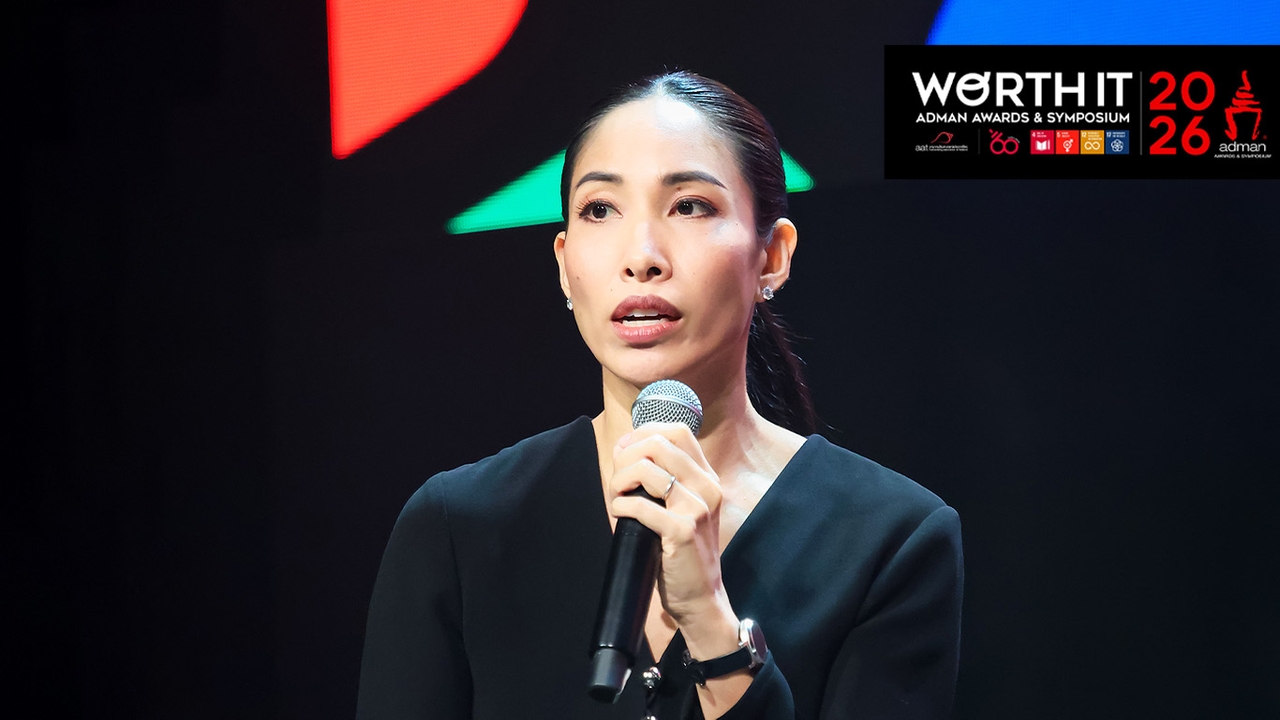
At the session titled “The Journey of Trust: How Thairath Earned the Hearts of All Thailand” during the Adman Awards & Symposium 2026, Nick Jitsupa Watcharaphol, Co-CEO of Thairath TV and Thairath Online and third-generation heir of Thairath, shared perspectives on trust amid society's current crisis of confidence. He revealed the behind-the-scenes principles that have helped the 77-year-old media organization maintain credibility amid changes in the media world.
One key topic discussed was “credibility.” This credibility does not arise simply from longevity but from adhering to consistent principles proven through ongoing actions.
“Thairath’s 77 years isn’t just about longevity; it’s about having DNA — a set of beliefs we have consistently upheld throughout these 77 years.”Nick observed that the trust crisis affecting society—whether involving celebrities, charitable organizations, or formerly trusted figures—reflects fundamental problems of morality, ethics, and social responsibility.
Meanwhile, economic pressures, competition, and consumerism values lead some people to prioritize self-interest or survival. Social media and AI technology accelerate the spread of these issues rapidly, serving not only as communication channels but also as tools to craft images and shape societal perceptions of individuals.
When such images are repeatedly presented over years through personal and other media channels, familiarity may gradually turn into trust. The number of followers and public responses can then be mistaken as proof of credibility, even if they do not fully reflect the facts.
Nickalso noted that some online pages and influencer groups may coordinate to steer social trends. However, this does not mean all influencers are problematic, as many create content beneficial to society.
The key lesson is to be media literate—popularity, familiarity, or follower count alone are insufficient reasons to believe information without questioning it.

Amid the race for speed in information, Nick explained that the essential difference between news organizations and individuals posting on social media is the verification process and accountability for potential impacts.
Even if news outlets receive the same clips or evidence as social media users, they cannot publish immediately without verifying whether the event actually occurred, who was involved, where it happened, and what evidence or sources confirm the facts. These steps may delay reporting compared to individuals, but are necessary standards to maintain long-term credibility.
Nick further illustrated newsroom operations, emphasizing that decisions are not made by individuals alone but through editorial systems, professional standards, and fact-checking processes before publication—especially for stories with significant impacts on people's lives, reputations, or feelings.
Especially when society is confused by information conflicting with prior beliefs, the media has a crucial role in presenting verified facts to help people understand situations rationally, without adding to the existing confusion.Because the louder the voice,the greater the social responsibility must be.
When asked what Thairath values most in its 77 years of operation, Nick replied that the core is “integrity.” A commitment to morality, ethics, and professional conduct.
Credibility cannot be purchased with advertising budgets or PR campaigns; it must arise from consistent, genuine actions without hidden agendas. This philosophy has guided Thairath’s work for decades.
Nick shared many real-world examples, including situations where organizations face decisions between short-term gains and long-term credibility—especially in newsrooms choosing between being the fastest or the most accurate in reporting.
For Thairath, this principle is reflected in editorial decisions with the motto “accuracy over speed,” because a single mistake in reporting can harm people and undermine the long-built trust.
Nick expanded this view to business at large, stating that trust is not just a media value but a fundamental foundation for all businesses, as every brand seeks consumer confidence in its promises, product quality, and services.
He identified two main challenges for businesses: building new trust for new products, brands, or organizations, and rebuilding trust when crises occur.
To handle crises, organizations should first communicate sincerely and promptly, admit issues, express regret or apologies when at fault, and clearly clarify facts without using communication to hide or worsen problems. However, when organizations face accusations, their own explanations may lack weight, as consumers might see them as mere excuses.
Nick cited a case of an inhalant brand facing production standard issues, which then improved and allowed media visits to its factory to verify and report the facts. This shows that allowing credible outsiders to audit can strengthen information credibility and offer the public another perspective.
However, the media’s role is not to serve as a PR tool to restore brand image but to maintain independence in investigation and truthful reporting, Nick emphasized.
At the end, Nick stressed that the trust crisis is not the problem of any single media organization, brand, or individual but a shared responsibility among all societal players—from marketers, business owners, influencers, and journalists to consumers who receive and pass on information.
No matter how advanced the technology or communication tools, if users lack morality and responsibility, these technologies can become instruments that spread misunderstanding and destroy trust.
Solving a trust crisis must start by aligning what people think, say, and do—not by creating an outward image of credibility while actions contradict the communicated message.
Ultimately, Thairath’s 77-year lesson extends beyond media businesses. It reflects a fundamental truth for all organizations: trust cannot be bought or built by words alone but comes from steadfast commitment to correctness, responsibility, and honesty. Building trust may take decades, but preserving it is the real test of an organization.

Read business news, marketing strategies, and exclusive interviews with ThairathMoney to help you achieve “Good Finances, Good Life” at https://www.thairath.co.th/money/business_marketing
Follow the Facebook page: Thairath Money at this link https:// www.facebook.com/ThairathMoney