

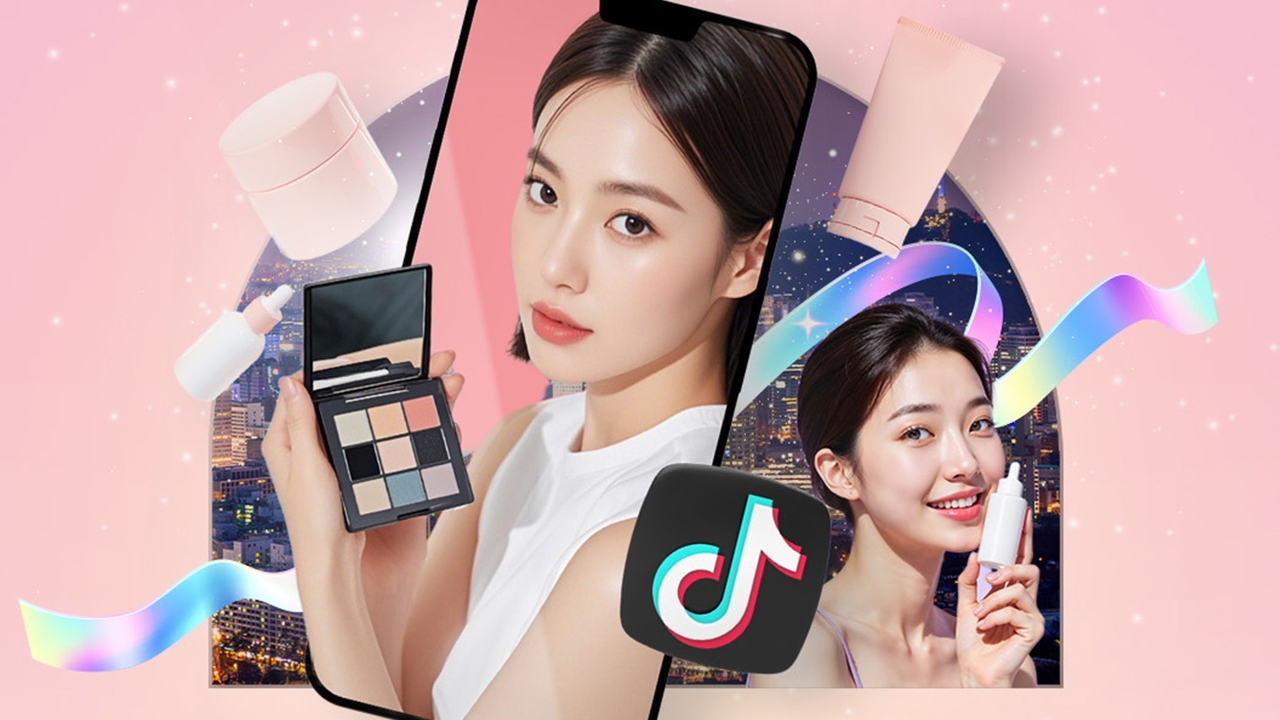
Currently, the K-Beauty trend, or Korean-style beauty influence, is expanding globally. It’s not just Asia enamored with Korean products; in the United States, K-Beauty has become mainstream, reaching beyond celebrity fans to a broad consumer base.
The rise of K-Beauty in the U.S. is driven by viral TikTok clips such as "Get Ready With Me," inspiring many to try these products. Additionally, a younger, more diverse customer base and serious expansion by major retailers like Ulta, Sephora, Walmart, and Costco have fueled growth.
Data from NielsenIQ indicates that K-Beauty sales in the U.S. are expected to surpass $2 billion (approximately 64 billion baht) by 2025, a 37% increase from last year, far outpacing the overall beauty market’s single-digit growth.
During the first half of 2025, South Korea’s cosmetic exports reached a record high of $5.5 billion, up nearly 15% from the previous year, and it has become the No. 1 cosmetic exporter to the U.S., overtaking France. .
Although tariffs are involved, prices remain relatively stable as Korean brands temporarily absorb costs. Recently, South Korea reached an agreement with U.S. President Donald Trump to set import tariffs at 15%, down from the initially announced 25%.
Skincare products generate the highest revenue, while hair care grows the fastest. Hybrid items, such as serums or cushions blended with skincare, are also gaining popularity among consumers.
The competition among major U.S. retailers is heating up as Korean beauty products effectively draw consumers into stores. Each retailer is rushing to launch dedicated Korean product zones.Ulta:launched "K-Beauty World" in July and is the only retailer carrying Medicube, a beauty tech brand endorsed by global celebrities. This helped Ulta’s Korean skincare sales rise 38% in the first quarter of 2025.
Now, these products are entering a second wave with more variety, covering makeup, hair/body care, perfumes, and high-tech devices, emphasizing inclusivity.
For example, the brand Tirtir was once criticized on TikTok for offering only three foundation shades, but within months expanded to 40 shades to cater to all skin tones.
Additionally, TikTok has become central, especially among Gen Z and Millennials, who make up 75% of K-Beauty customers. Social media clips tagged "K-Beauty" garner 250 million views weekly. Another factor sustaining K-Beauty is
the fierce competition within South Korea, driving constant and rapid innovation. According to CNBC, in 2024 South Korea had over 28,000 licensed cosmetic sellers, nearly doubling in five years, fueling ongoing innovation. Looking ahead, K-Beauty trends may include novel ingredients like DNA from salmon or trout sperm to aid skin repair, and AI-assisted research and formula development.
Source: CNBC Follow the Facebook page Thairath Money at this link -
https://www.facebook.com/ThairathMoney