

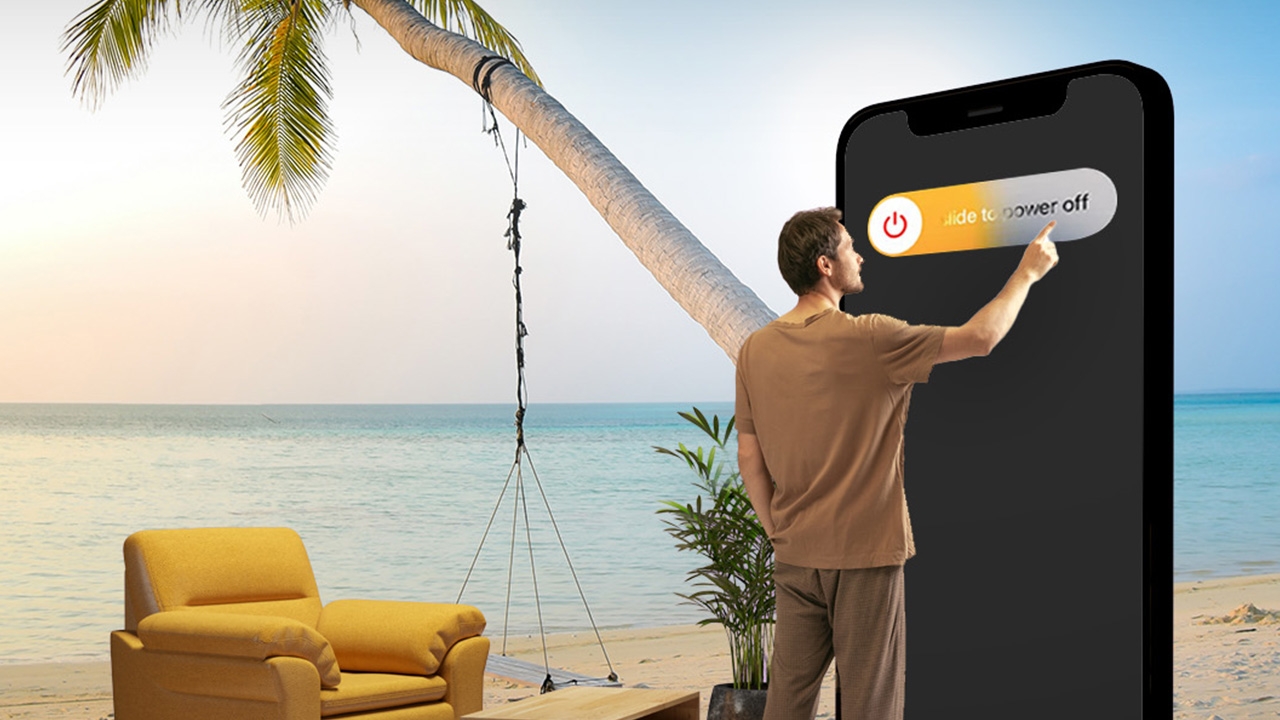
Over the past decade, the digital world has become central to daily life. Social media has served as a “new public space,” while online presence has become a norm in nearly all social levels. However, this new public space is undergoing significant change. Spaces once belonging to “users” are increasingly dominated by algorithms deciding who sees what, commercially designed content aimed at sales, and most recently, the arrival of Generative AI capable of endlessly producing text, images, and videos.
The result is that the once open online space now feels restrictive, uncontrollable, and fiercely competitive for attention. Many users feel constantly “pulled” in different directions. Meanwhile, this competition for attention is gradually pushing some users, especially those seeking meaning or genuine connection, unknowingly away from these spaces.
Amid this environment, the internet and social media are being critically reexamined, both structurally in platforms and in consumer behavior, leading to a seemingly opposite trend: a renewed appreciation for “real spaces” or experiences unfiltered by screens.
Some cultural scholars and industry insiders suggest 2026 may mark the start of an “Offline Renaissance,” or a movement “back to offline.” This does not mean abandoning the internet or social media entirely but reflects digital saturation and a desire for a new balance between digital and real life.
We are hearing views such as “people spending less time on feeds,” “offline clubs and activities gaining popularity,” and “people abandoning dating apps in favor of real-life meetings.”
Numerically, the world is not abandoning the internet. Global internet users continue to rise, surpassing 70% of the world’s population. Data from Datareportal indicates that by the end of 2025, there will be over 6 billion internet users worldwide, with approximately 2.2 billion still offline. Many countries still see year-on-year increases in internet access. What has changed is the “quality of engagement.”
A key sign is a significant shift in social media behavior. Latest data from Global Web Index shows average daily social media use is about 2 hours and 20 minutes, down 10% from its peak in 2022. The most notable decline is among heavy users aged 16-24.
Although the digital world continues to expand, social and cultural pressures are shifting direction.
People are increasingly aware of screen fatigue. The Digital Detox trend, intentionally reducing digital device use, is directly linked to mental health and quality of life. Younger generations, especially Gen Z and Gen Alpha, focus more on mental well-being. Outdoor activities, sports, hiking, and screen-free pursuits are seen as effective ways to care for mental health. This leads to unconscious reductions in social media use, such as less Doom-Scrolling.
We are observing escapism trends among youth who reduce social media usage, set intentional screen boundaries, engage less, and view platforms more as time-fillers than spaces for genuine relationships.
Many marketers see 2026 as a time when offline experiential marketing becomes a key tool for building community and bonds that digital channels cannot replicate. Furthermore, constant algorithm changes and declining engagement have driven content creators away from producing low-quality content (Unshittification) toward more targeted communication.
Analog trends like board games, vinyl records, magazines, crafts, and time-intensive, intentional activities are gaining popularity. New trends show significant increases in nature trips, exercise, and experiential retreats. Searches for board games, toys, crafts, and reading culture have surged dramatically.
A significant factor is AI's arrival, capable of producing text, images, and videos at minimal effort. Social media, once spaces of real people and authentic voices, are increasingly filled with polished but faceless content. Virality is swift and fleeting. People automatically distrust what they see on screens and return to valuing verifiable real-life experiences.
For brands and businesses, a clear contradiction emerges. While organizations ramp up AI-generated content production, consumers push back. Overly polished AI content undermines trust rather than creating value. In a world where everyone can produce similar content, humanity becomes a competitive advantage.
From this year onward, we will see offline life gain new value and be regarded as a luxury that people aspire to for their lives. People will begin to choose “offline life” more concretely. This trend has already started with Gen Z and is slowly but clearly spreading to other generations.
For brands, the “Offline Era” is an important warning. Brands that push sales aggressively or chase algorithms will be quickly filtered out, while those that offer value, build understanding, and respect consumers’ time will be remembered long-term.
Therefore, frequent ads, relentless messaging, and mass content production without value are nearing saturation and are no longer effective. Consumers want breathing room and authentic human tones, not overwhelming content chasing them.
Brands and media must dare to cut back, produce less but more meaningful content, and create material worth stopping to read, watch, or listen to. In an era of information overload, valuable media may not be the fastest but must be selective, explanatory, and connect to the bigger picture.
Most clearly, in 2026, offline activities, events, communities, and real experiences will not just be marketing tools but the strongest connection points, helping brands build genuine experiences, relationships, and long-term trust.
In summary, “going back offline” does not mean people will abandon the internet or that social media is collapsing. This article reflects a cultural transition on the internet where people are reducing 24/7 digital connectivity and placing greater value on tangible and meaningful experiences.
Sources Financial Times
Follow the Facebook page: Thairath Money at this link -