

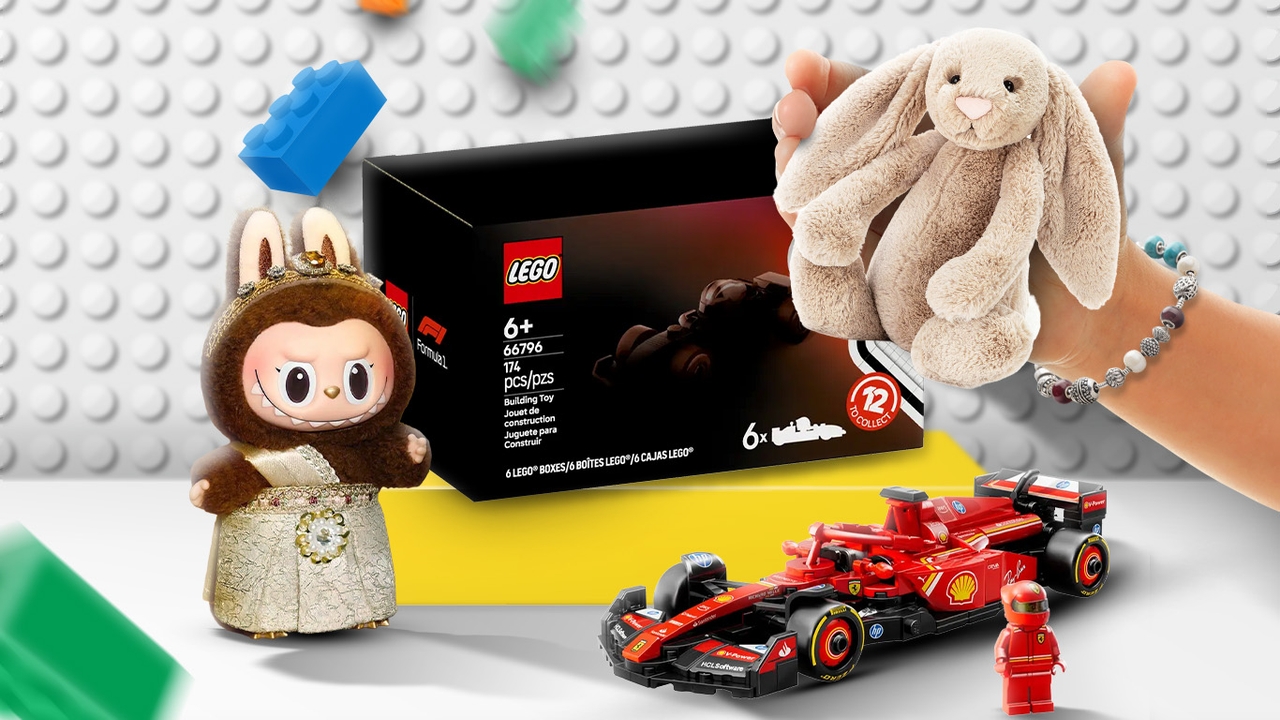
The year 2025 clearly demonstrates that “toys” are no longer just for children, as adults from Gen Y and Gen Z have become the main forces driving the doll and toy market—not buying for descendants but for themselves.
/Circanareports that 43% of adults aged 18 and over in the UK buy toys for themselves or as gifts for other adults. Among them, 76% are Gen Z aged 18–34. Similarly, in the US, licensed toy sales increased 18% in the first half of the year among customers aged 18 and above.
“It’s funny that as kids we want to grow up, but once we do, we realize childhood was the best time of our lives.”Melissa Symonds, Managing Director of Toys at Circana, said.
The rising popularity of buying and collecting toys this year is led by Popmart’s Labubu doll collection, The Monsters, visible in its strong social media presence and celebrity endorsements. Another brand, UK’s Jellycat, with its Fish & Chips-themed stores spreading across TikTok, has driven internet buzz, leading fans in London to queue for just 10 minutes per visit to shop.

Last year, Popmart and Jellycat greatly benefited from this trend. Popmart’s profit soared nearly 400% in the first half of 2025, with revenues up over 204.4% year-on-year to $1.93 billion. In 2024, global revenue from Labubu alone reached $423 million.
For Jellycat, the famous UK brand, 2024 revenues rose 66% to $449 million, up from $270 million in 2023, with pre-tax profits nearly doubling to almost $188 million.
“Adults of all ages are increasingly buying toys, but the main driving force is Gen Z, whose purchasing has grown significantly in recent years.”Melissa Symonds added.
News agencyCNBCreported that among various toy types, plushies rank fourth in popularity among adult buyers, while puzzles and games rank among the top. LEGO building sets are the third most popular on the list.
“Economic issues, wars, and everything else make people anxious and serious. Toys return happiness to us.”Melissa Symonds said.
These factors have given rise to the “Joy Economy” where consumers seek comfort and a return to childhood amid pressures from economic and political challenges.
Fans of Jellycat and collectors of Labubu include a diverse range from corporate workers to military personnel, all expressing that these toys help their mental health.
Especially Gen Y and Gen Z, who grew up amid an economy with a cost of living too high to achieve the adulthood they envisioned, also facing geopolitical conflicts and constant news updates via social media every minute.
Melissa Symonds of Circana also noted this may reflect the “Peter Pan Effect” a psychological syndrome where some adults do not want to grow up or take responsibility, but in reality, many simply want to stay connected to what once made them happy and escape stress in the real world.
Beyond economic factors, this trend coincides with Gen Z facing loneliness and isolation, so for some, buying toys or collectibles helps them feel part of a community.
Brands like Jellycat have adapted by expanding storefronts to create better customer experiences, such as the Jellycat Fish & Chips theme evolving into Jellycat Patisserie and Jellycat Diner across cities in Europe, the US, and Asia.

Over 80% of customers at the newly opened Jellycat Space Experience store in Seoul, South Korea, in November are aged 20–30.
“When you buy Jellycat, you feel like part of a community, like belonging to something. There are many online groups where people chat and compete to find the best or newest products,”a Jellycat customer told CNBC.
Source:CNBC,Circana,Business Insider
Follow the Facebook page: Thairath Money at the following link -https://www.facebook.com/ThairathMoney