

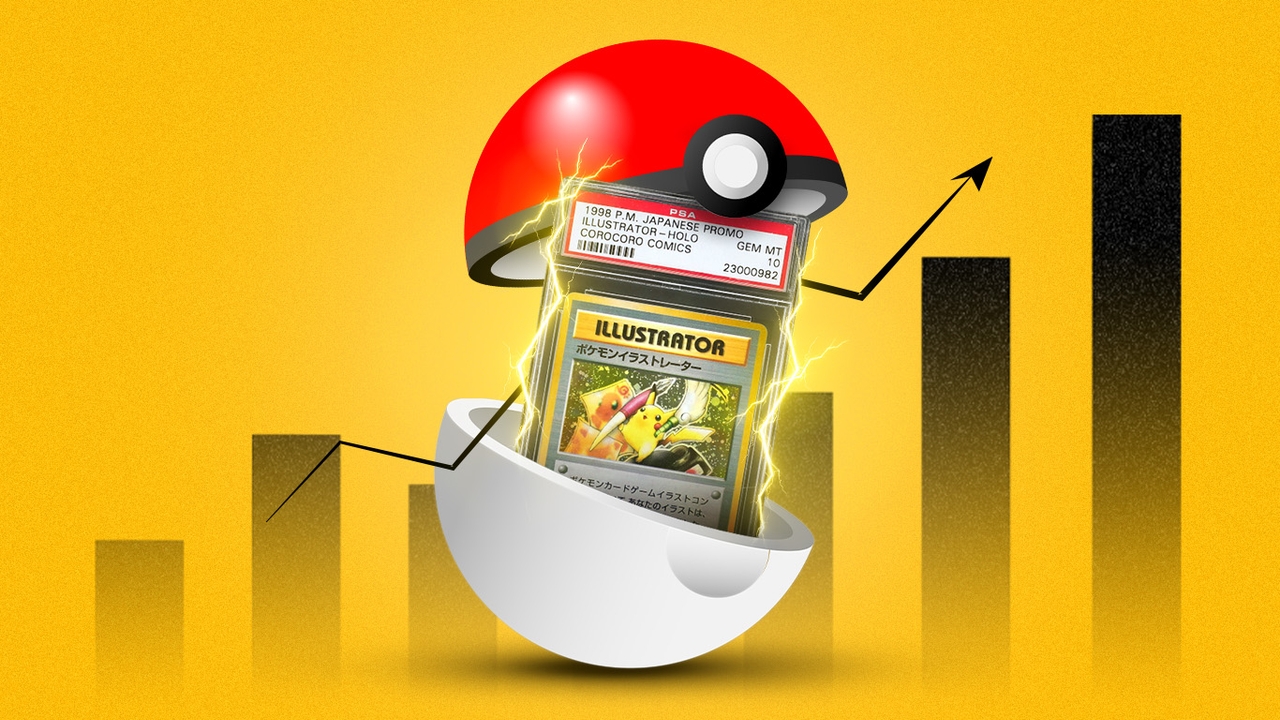
In February, influencer and famous boxer Logan Paul auctioned a Pikachu Pokémon card, selling it for a staggering $16.5 million USD, nearly 600 million baht, earning a Guinness World Record for the highest-priced card sale in the world. He originally purchased the card in 2021 for over $5.3 million USD, meaning he earned a profit of about 200% from this Pokémon card.
This Pikachu Pokémon card dates back to 1998 and has been graded at Grade 10, indicating near-perfect condition. Only 40 copies of this card exist, making it highly sought after by niche investors. When Logan Paul bought it in 2021, he set a Guinness World Record for purchasing the highest-priced Pokémon card.
The winner of the recent February auction was AJ Scaramucci, an investor with a grand plan for a “global treasure hunt,” of which the Pokémon card is considered one of the treasures.
According to research firm Circana, spending on non-sports collectible cards, including Pokémon cards, surged by as much as 350% from 2020 to 2025.
Moreover, owners increasingly view these collectibles as alternative assets with high value, since some rare cards can yield returns surpassing those of the S&P 500. However, this comparison may be incomplete because the stock market has a long history, while the Pokémon card market data is only a few years old and remains highly volatile.
The surge in prices for rare Pokémon cards is driven by three main factors:
In the high-end market, this phenomenon is evident from the sale of Logan Paul’s exceptionally rare Pikachu Illustrator card for over $16 million USD, setting the record for the most expensive collectible card in the world.
Ken Goldin, a renowned auctioneer who managed the consignment and sale of this Pikachu card, told CNBC, “Some collectors strive to gather the rarest and highest-graded cards and hold onto them for as long as possible. It’s very possible we may never see that card sold again in our lifetime.”
Market shortages and limited production runs of certain card types make these cards even rarer, which is a key reason prices have soared. This also reflects that most of the market’s profits are driven by just a few cards.
Another decisive factor is the card’s condition, graded on a scale from 1 to 10 by Professional Sports Authenticator (PSA), one of the most respected grading companies in the market.
Ken Goldin explained that even a Grade 10 card in perfect condition may not be highly valuable if the card itself is not significant or in demand. Conversely, for the right card, condition becomes extremely important, especially in the Pokémon market where Grade 10 cards can command a premium far above other grades.
This trend boomed during the COVID-19 pandemic, fueled by economic stimulus and rapidly growing interest in alternative assets. Additionally, celebrities like Post Malone, Steve Aoki, and Kevin O'Leary played key roles in expanding attention to this market.
Ken Goldin added, “We are seeing people use these cards as part of alternative assets and wealth allocation strategies. Whether this will evolve into institutional-level investment remains to be seen.”
However, risks remain high because the same factors that push prices up can also cause sharp declines. The collectible card market remains volatile due to hype influences and lacks the stability and long-term data compared to traditional financial markets.
Follow the Facebook page: Thairath Money at this link -https://www.facebook.com/ThairathMoney