

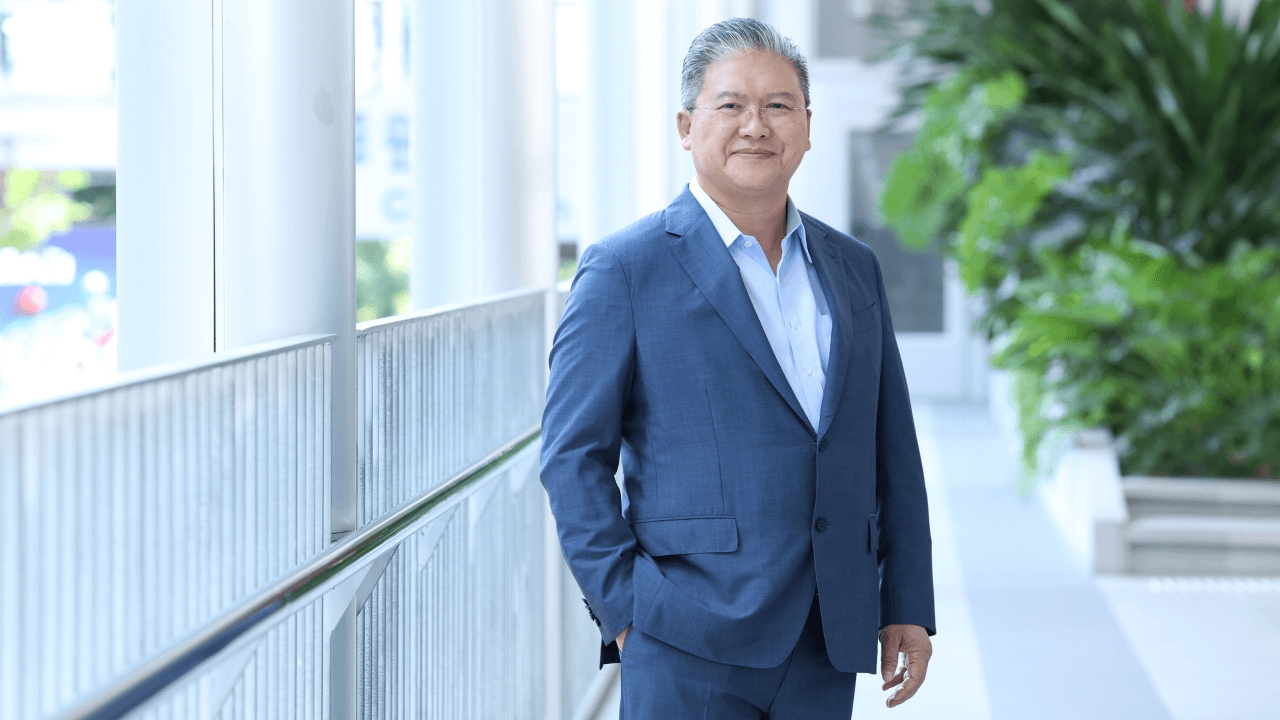
Mr. Thanakorn Weerachatianukul, CEO of Udon Plaza Co., Ltd., which manages UD Town shopping center, revealed that Udon Thani's retail sector has begun to recover over the past two years along with domestic consumption. However, in the short term, it faces pressure from the Middle East situation pushing oil prices higher, causing consumers to be more cautious with spending. Nevertheless, the food category remains a key support. Due to the area's high motorcycle usage, the impact of rising fuel costs remains limited, and consumer behavior usually returns to normal within one to two months.

“We have started to see some slowdown in spending. We view this not as a long-term crisis but as a short-term shock that requires timely management. The key is to understand consumer behavior deeply and adjust strategies quickly. Therefore, we need to adapt both offensively and defensively by increasing the proportion of frequently used food and service outlets, alongside continuous events, to maintain traffic and stimulate spending in the area.”
Looking ahead, the regional economic recovery is expected to continue if no additional negative factors arise. Business operators need to prioritize business flexibility, cost control, and creating experiences that meet consumer needs to retain customer bases and drive growth amid purchasing power not yet fully restored.

Ms. Apicha Weerachatianukul, Managing Director of Udon Plaza Co., Ltd., stated that UD Town's strategy this year will focus on three main pillars: Data & Insight, Experience-led initiatives, and Collaboration. These aim to enhance marketing accuracy and encourage repeat visits.
A key highlight is the investment of over 30 million baht to organize the "UDON SONGKRAN FESTIVAL 2026" under the concept "Neon Water: The Power of the Flow." Designed as a comprehensive festival with concerts, a water tunnel, foam parties, and large-scale light and sound productions, it will run from 13–16 April at The Land plaza. The event is a collaboration between government and private sectors to elevate it as the Songkran landmark of the Northeast.
At the same time, the festival remains “rooted in culture” through a Thai tradition zone designed to be accessible and contemporary. It features sacred Buddha images from nine major temples nationwide, such as the Emerald Buddha, Luang Pho Sothon, Phra Buddha Chinnarat, and Phra Buddha Sihing, allowing visitors to pour water for auspicious blessings. Sand pagoda building activities connect traditional beliefs with modern festival experiences in a balanced way.
“We have meticulously planned to accommodate large crowds, including clear zoning, distributing activity and photo points to reduce congestion, and enhancing comprehensive safety measures. This includes field staff, area monitoring systems, and coordination with security and medical agencies to ensure enjoyment goes hand in hand with tangible safety.”
The venue is practically designed to cover concert, water play, and activity zones, equipped with full amenities: over 3,000 parking spaces, more than 30 food and retail stalls, over 40 restrooms, and strict security from multiple agencies such as the Udon Thani Provincial Police, Air Force Wing 23, EOD units, and emergency medical teams.

Over four days and nights, the concert stage will be a major attraction featuring famous artists like Kong Huayrai, Retrospect, Aof Pongsak, Tilly Birds, MAIYARAP, as well as international DJs and party artists, elevating the atmosphere to a festival standard befitting a tourist city.
This year, attendance is expected to exceed 200,000 people, with approximately 85% Thai tourists and 15% foreigners. Notably, the share of inter-provincial travelers and international tourists is rising, reflecting broad awareness of the event and Udon Thani's potential as a festival destination in the Northeast.
UD Town's business model focuses on the “experience economy,” using events to generate traffic and distribute income across local businesses including retail, hotels, and services. Sister businesses such as Hotel MOCO and Monthathip Hall will integrate operations to support both tourists and the MICE market, extending stays and increasing per capita spending.