

The Thai real estate market in 2026 is being closely watched as it may hit its lowest point in nearly three decades. A Nikkei Asia report indicates that Thailand's housing sector is facing its worst downturn since the 1997 Asian financial crisis, reflected by a nationwide inventory of unsold units reaching 400,000.
Analysts estimate that the market may require at least three years to recover due to structural challenges such as Thailand's household debt, which ranks among the highest in Asia, combined with an economic slowdown severely undermining purchasing power.
This aligns with the perspective of Surachet Kongcheep, Head of Research and Advisory at Cushman & Wakefield, a real estate consultancy. He highlights a clear slowdown among developers; in 2025, only 16,408 new condominium units were launched, with a 56% decrease in launches in the final quarter compared to the previous quarter, as developers focused on clearing finished project stock through discount and margin strategies to preserve cash flow.
The same real estate expert also points to critical issues to watch in 2026: rising household debt impacting loan rejection rates from financial institutions, declining long-term consumer spending, and a political vacuum following the early 2026 elections.
Under these pressures, Surachet predicts that 2026 could be a year of minimal residential market growth, with the only hope for market momentum coming from foreign buyers, especially an expected resurgence of Chinese purchasers.

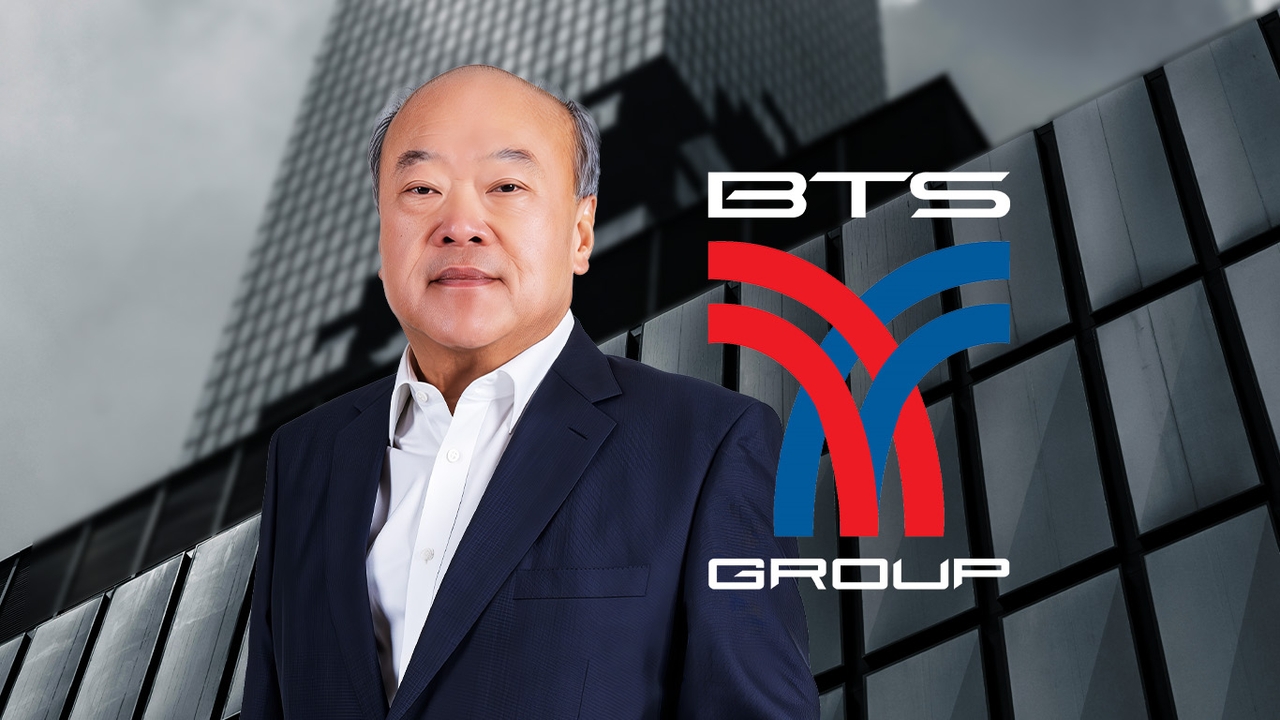
Amidst a climate where most players are choosing to "retreat" and observe market direction, a major move has sent shockwaves through the industry. Keeree Kanjanapas of the BTS empire announced a full-scale comeback to real estate after 30 years, with a massive “Baan Chao Thai” (Thai People's Home) project investing 100 billion baht to build 50,000 units within 2.5 years.
However, this is not a conventional real estate marketing play focused on luxury or speculation. Instead, Keeree "decodes" the current market failure characterized by broken purchasing power. He aims to fill the gap for real demand buyers who want homes but face high loan rejection rates, through a model that nearly breaks down barriers to access: starting prices at 1.6 million baht, no booking fees, no down payment, and installment payments comparable to rental costs.
A strategic analysis shows that BTS’s move clearly reflects Keeree’s recognition of a large market gap overlooked by others.

The launch of the “Baan Chao Thai” concept has created a significant industry phenomenon, offering attractive design and practical functions under freehold ownership at prices 30% below market. It targets first-jobbers and those seeking quality housing otherwise inaccessible through conventional systems.
Key features making this project a talk of the town include:

“Baan Chao Thai” is not just a project name but a case study in using boldness and financial readiness as weapons to turn around a sluggish real estate market, creating golden opportunities for first-time Thai homeowners when others say it’s impossible.
Keeree said, “The core of the ‘Baan Chao Thai’ project is to enable people to pay for homes at prices close to rent but to own assets. By collaborating with financial institutions, we open doors to homeownership for young generations and low-income earners. While profitability is naturally expected, this project aims to provide quality housing near mass transit with full amenities, so residents can truly take pride in their homes.”. (This part contains only the name 'Keeree said' already translated above.)

While experts see 2026 as a year of market stabilization, for BTS, it is a year of “starting anew.” The results of the pilot project in Srinakarin, set to begin construction at the end of 2026, will be a critical test of whether the electric train tycoon’s “city transformation model” can revive Thailand’s real estate sector from crisis.

For economic and government policy updates, follow ThairathMoney at
Follow the Facebook page: Thairath Money at this linkhttps:// www.facebook.com/ThairathMoney