

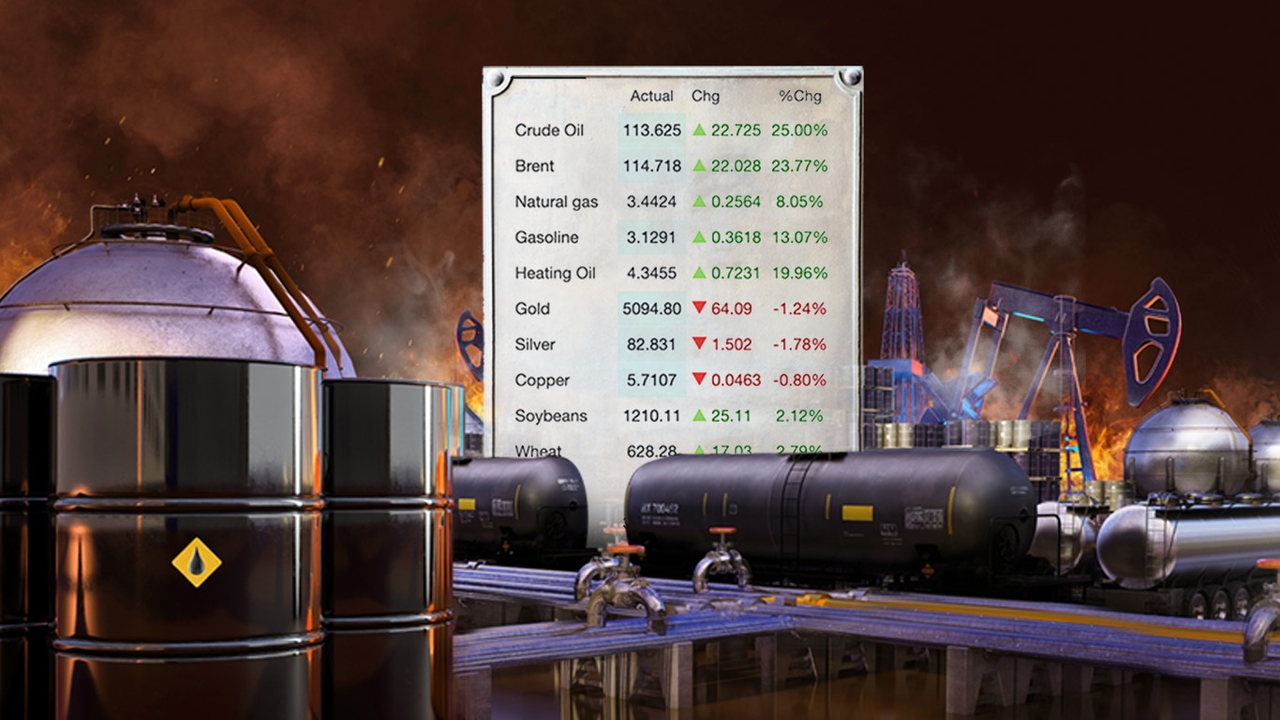
The world is confronting a major test as the situation in the Middle East rapidly intensifies. Following the US-Israel alliance's escalation into phase 2 attacks targeting Iran's utilities and energy infrastructure, Iran has retaliated by striking key oil facilities and transport routes. This has caused global crude oil prices to surge into a "dangerous level." This part sets the geopolitical context for the rising oil prices and the conflict’s impact on energy supply.
Within just one week, crude oil prices have soared over 48%, with Brent crude recently reaching $114 per barrel. The main causes include:
Dr. Kobsak Pootrakul, Deputy Managing Director of Bangkok Bank and former Minister attached to the Prime Minister’s Office, stated that oil prices at $110 signal extreme danger. If the situation remains unresolved, we could see a repeat of the Ukraine war scenario where oil hit $130 per barrel, leading to:
"A contingency plan must be prepared immediately: accelerate oil reserves, seriously promote solar and electric vehicles, and open new energy alternatives. It’s better to prepare than not," he emphasized.
Meanwhile, Dr. Anusorn Thamjai (People’s Party), former Chairman of the Audit Committee and Director at Bangchak Corporation Public Company Limited, analyzed that energy security is Thailand’s most vulnerable economic point. He warned the country may face stagflation—a stagnant economy combined with high inflation—which is more frightening than deflation.
Amid concerns over rising prices, the Department of Internal Trade has taken action to quell panic as follows:
Overall, this reflects that the current global oil situation "is not distant" and may prolong longer than expected. Transitioning to alternative energy and financial planning to manage potentially higher living costs could be critical survival strategies amid the Oil Crisis 2026.
Follow economic news and government policies with ThairathMoney at:
Follow the Facebook page: Thairath Money at this link:https://www.facebook.com/ThairathMoney