

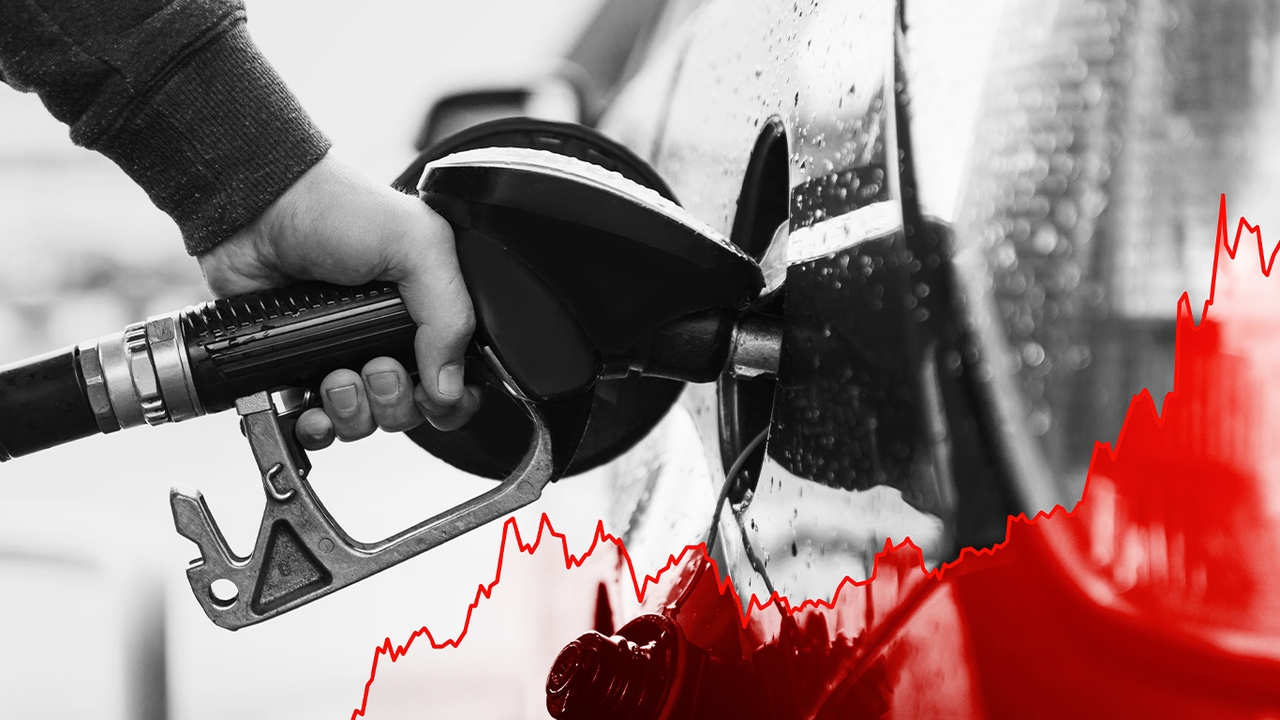
April 2, 2026, marked a difficult day for vehicle users and business operators as diesel prices soared to a historic high of 44.24 baht per liter following a sharp 3.50 baht per liter increase. This rise exceeded earlier rumors, and looking back over just one month, diesel prices have jumped by 14 baht, or over 48%.
This rapid and steep adjustment has created financial pressure for the general public and business owners alike, with expenses soaring while incomes remain unchanged. Increasingly, questions arise in society: "Why do domestic fuel prices immediately rise when global oil prices increase, but remain unchanged when global prices fall?"
Is this structure designed to ensure stability for whom? Or is it essentially a mechanism forcing Thai consumers to pay high prices without alternatives?
The main reason for the 3.50 baht per liter price hike effective at 05:00 today is not solely due to global crude oil prices, but also because the Oil Fuel Fund Management Committee (OFMC) decided to reduce compensation by 4.11 baht per liter—from 21.89 baht down to 17.78 baht.
This explains why "fuel prices rise easily"; previously, the government used the fund to "support" prices, resulting in a massive deficit. According to the Oil Fuel Fund Office report as of March 29, 2026, the fund’s balance stood at a negative 42,148 million baht.

When liquidity reaches a critical point or fund stability must be preserved, the government is compelled to allow pump prices to more accurately reflect reality. Thus, price hikes appear severe and rapid to maintain the country's financial standing.
According to the latest data from the Department of Energy Business (March 30, 2026), the procurement structure reveals interesting details.

The Ministry of Energy explains that the Gross Refining Margin (GRM) is the difference between the average value of refined products from crude oil refining and the average cost of reference crude oil. It reflects price differentials over a specific period but excludes refinery expenses such as Crude Premium, transportation and freight, insurance, fuel, electricity, water, maintenance, labor, interest, and taxes.
Therefore, the GRM can fluctuate depending on global oil market conditions, especially during geopolitical tensions or war, which can cause immediate increases in transportation, insurance, and related costs.

Although global oil prices currently trend upward, there are periods of decline, raising the question why Thailand cannot immediately lower domestic prices accordingly. Two main factors cause this "downward rigidity":

According to fuel sales statistics as of March 30, 2026:
As diesel, the "lifeblood" of transport and production sectors, surges drastically, business operators face a dilemma: transportation costs increase immediately, but raising product prices is difficult due to Ministry of Commerce regulations and weak purchasing power.
This volatility is not unique to Thailand; neighboring Malaysia has also raised prices to 50.32 baht per liter to reflect market conditions. However, as long as the pricing structure depends on imports and fund debt repayments, pump prices will always rise faster than they fall. The greatest concern is the continuing economic "shockwaves" that will affect consumer goods prices next week, which all Thais must inevitably bear.
Sources: Ministry of Energy, Department of Energy Business, PTT, Bangchak, Oil Fuel Fund
Follow economic data and government policy with ThairathMoney at
Follow the Facebook page Thairath Money at this linkhttps://www.facebook.com/ThairathMoney