

Thairath Online
Thairath Online

Why Rangsit Location May Become the Most Prominent Economic Hub in Northern Bangkok

Thai economics19 Apr 2026 11:00 GMT+7

Share

Why Rangsit Location May Become the Most Prominent Economic Hub in Northern Bangkok

In the past, "Rangsit" might have been known as a "gateway city" where people simply drove through to head to the North and Northeast. But today, this location is undergoing a significant strategic transformation into a self-contained "New Economic Hub."

This change is no coincidence but results from the integration of transportation networks, mega private-sector projects, and a strong human resource base, making it a highly attractive "window of opportunity."

Central Rangsit as a catalyst toward a Super Regional Mall.

A major turning point that made headlines and shook the real estate industry was the announcement of a new landmark by Central Pattana (CPN) on over 750 rai, representing the largest mixed-use mega project ever in Thailand, with an investment exceeding 110 billion baht.

  • Bigger than ever: This project is several times larger than Central Phuket (110 rai) and Central Chiangmai Airport (130 rai).
  • A new city definition: It’s not just a shopping center but also includes Grade-A office buildings to attract multinational companies, hotels and convention centers for international events, and premium residences.
  • Commercial Double Hub: The arrival of Central Rangsit, combined with the existing strength of Future Park Rangsit and Zpell, will draw purchasing power from populations covering Pathum Thani, Ayutthaya, Saraburi, and all northern Bangkok areas.

Transportation network "Seamless Mobility" shortens distances.

What elevates Rangsit beyond a "suburb" is its seamless mass transit system, which includes ...

  • Rail system: The Dark Red Line (Bang Sue–Rangsit) reduces travel time to central Bangkok (Krung Thep Aphiwat Central Station) to just 20-25 minutes. In the future (2029), the Rangsit-Thammasat University Rangsit Center extension will fully integrate the "education ecosystem" with the city.
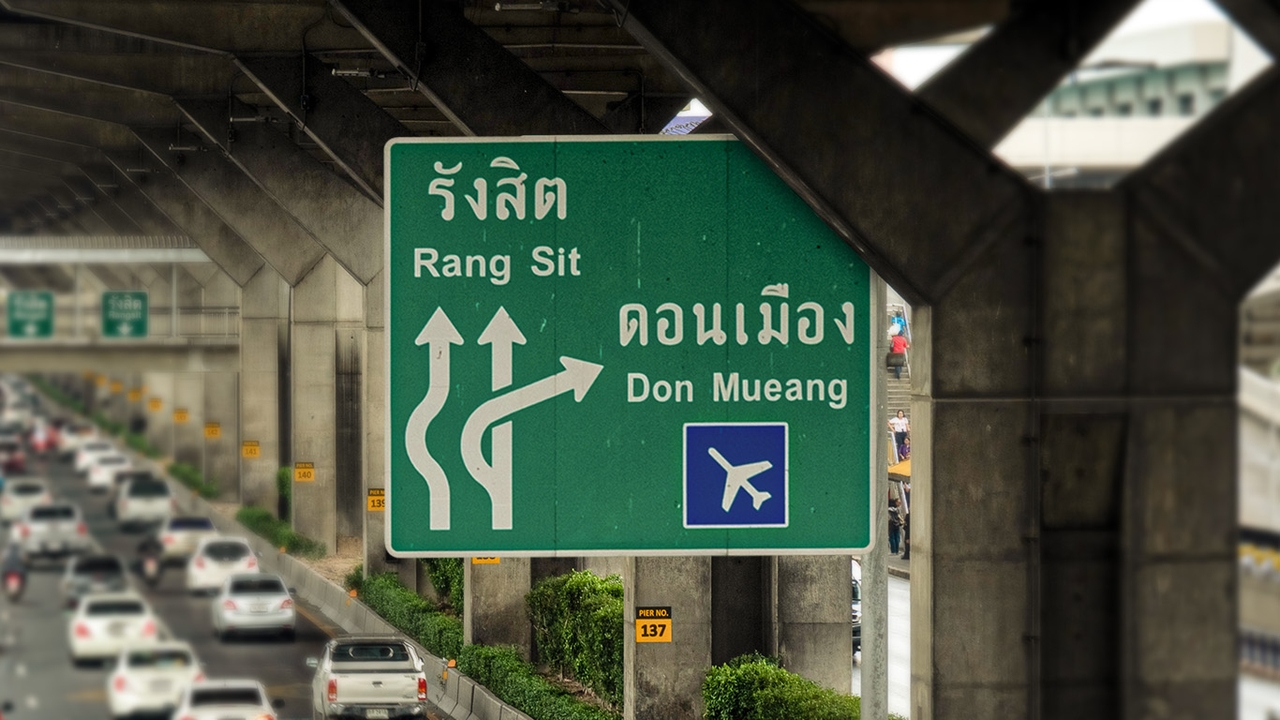
  • Road system: It is the convergence point of major roads including Vibhavadi-Rangsit, Phahonyothin, Kanchanaphisek Ring Road, and Motorway M6 (Bang Pa-in–Korat), offering the fastest gateway to the Northeast.
  • Air travel: Proximity to Don Mueang Airport supports businesses related to aviation and tourism.


The power of the "Education Hub," an ever-active economic engine.

Data from Pruksa Holding, a major real estate developer continuously investing in Rangsit projects, shows Rangsit as a hub of top educational institutions with a combined student population of over 124,030.

  • Stable demand: Students from Thammasat University Rangsit, Bangkok University, and Rangsit University generate year-round demand in real estate and services markets.
  • Campus Condo: A business model providing stable rental yields has emerged, with major developers like AssetWise, SC Asset, and Sansiri actively competing in this segment.
  • Northern Silicon Valley: The nearby Thailand Science Park fosters an innovation ecosystem that attracts highly skilled personnel and advanced technology industries.

Additionally, Rangsit is a major lifestyle center in northern Bangkok, offering comprehensive shopping and lifestyle venues such as Future Park, Zpell, Robinson, Lotus’s, Market Village, as well as large wholesale markets like Talad Thai and Si Mum Mueang Market. It also hosts leading hospitals such as Thammasat Chalermprakiet Hospital and Paolo Rangsit Hospital, supporting a complete lifestyle.

Industrial and logistics base, the backbone of prosperity.

Behind the vibrancy is a strong industrial sector; Pathum Thani province has over 3,000 factories employing more than 200,000 people.

  • Smart Warehouse: Rangsit has become a strategic hub for modern warehouses, supporting e-commerce growth and serving as one of the most efficient cross-docking distribution points in the region.
  • Growing GPP: Transport and storage revenues in 2024 are expected to grow by 3.7%, reflecting robust economic activity.

TOD vision: From urban sprawl to walkable city.

However, Rangsit's future challenge is developing areas around transit stations (Transit-Oriented Development or TOD).

  • 4D Model: Focuses on density and diversity of land use within 600-1,000 meters around stations.
  • Walkable city: The master plan aims to make Rangsit a "smart city" where people can access public transport within 10 minutes by walking or cycling, reducing reliance on private cars.

In conclusion, data from REIC (Real Estate Information Center) shows that vacant land prices in the area rose by 18.3% last year, while land prices around Khu Khot station increased by an average of 7.45% annually. Supported by a new urban plan unlocking high-rise developments and the 100-billion-baht private investment, Rangsit is not just a residential area but is becoming an "economic locomotive" connecting Bangkok with the regions and elevating living standards to global levels in the 21st century.


Sources: REIC, Pruksa, Central Pattana, DD Property.


Follow economic and government policy updates with ThairathMoney athttps://www.thairath.co.th/money/economics/thai_economics

Follow the Facebook page: Thairath Money at this linkhttps:// www.facebook.com/ThairathMoney