

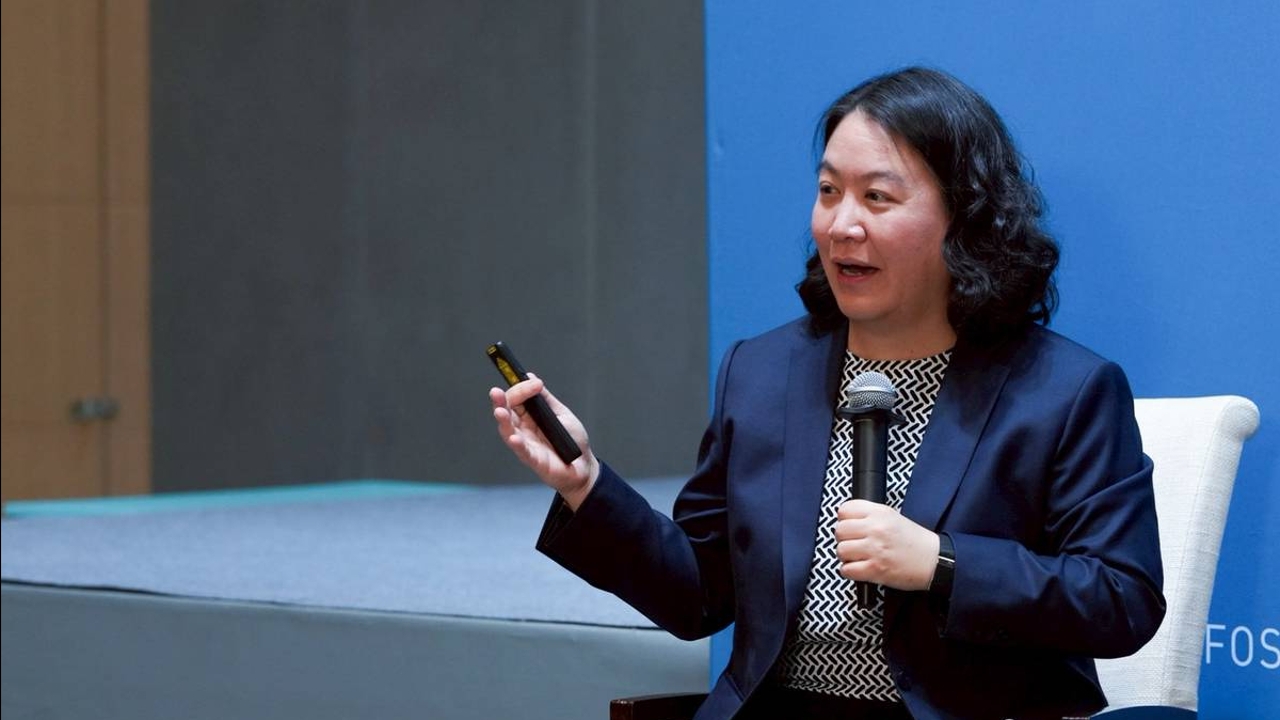
Somrasmi Chantrarat, Director of the Puey Ungphakorn Institute for Economic Research (PIER Research), stated in the PIER Research Brief titled "Dissecting the Structure of Thai Farmers' Debt: Empirical Findings and Policy Options" that a survey of 3.79 million farming households shows farmers have average debts three times higher than other households. In 2025, average debt per farming household reached 250,000 baht and continues to rise, with 30% approaching nearly 500,000 baht. Over the past eight years (2017-2025), 80% of farmers' debts were with the Bank for Agriculture and Agricultural Cooperatives (BAAC), but only 10% consistently pay both principal and interest. More than 50% pay interest only, resulting in chronic indebtedness.
"Only 25% of farming households are likely to fully repay their debts independently, while 52% of households—accounting for 61% of total debt—are expected to carry debt payments beyond age 70. Within this 52%, 22% have no chance of fully repaying due to insufficient income, whereas 30% could clear debts if they adjust spending habits, improve repayment behavior, and receive financial institution support."
Somrasmi added that field visits revealed most Thai farmers now supplement income through side jobs, agricultural product processing, or other work, earning monthly income. However, debt repayment schedules remain annual, so leftover monthly income is spent rather than used to repay debt. When the annual payment is due, they often pay only the interest. Another newly discovered issue is that debtors must repay at BAAC branches only, with travel costs ranging from 300 to 1,000 baht per trip. Thus, even when farmers have leftover money, traveling to repay debt is not cost-effective, so funds are spent elsewhere.
To find solutions, PIER Research collaborated with BAAC to test three strategies to boost farmers' debt repayment: 1) prioritizing principal repayment before interest; 2) providing incentives where every 1,000 baht repaid earns a debt repayment lottery ticket with quarterly prize drawings; and 3) having BAAC staff visit villages monthly to collect payments locally. Results showed 49% of those receiving incentives increased repayments, especially through lottery incentives and local payment collection. This indicates that beyond debtors' willingness, financial institutions must assist to increase repayments. For the 22% unable to repay, the government should intervene with budget to reduce or forgive debt, which is more effective than previous blanket aid.