

Although the conflict in the Middle East is nearing resolution, it highlights energy security issues since over 80-90% of crude oil and liquefied natural gas in Asia pass through the Strait of Hormuz. Thailand faces this problem as well, marking the third time it has confronted an energy crisis risk. Therefore, to overcome these challenges, Thailand must accelerate its transition to clean energy.
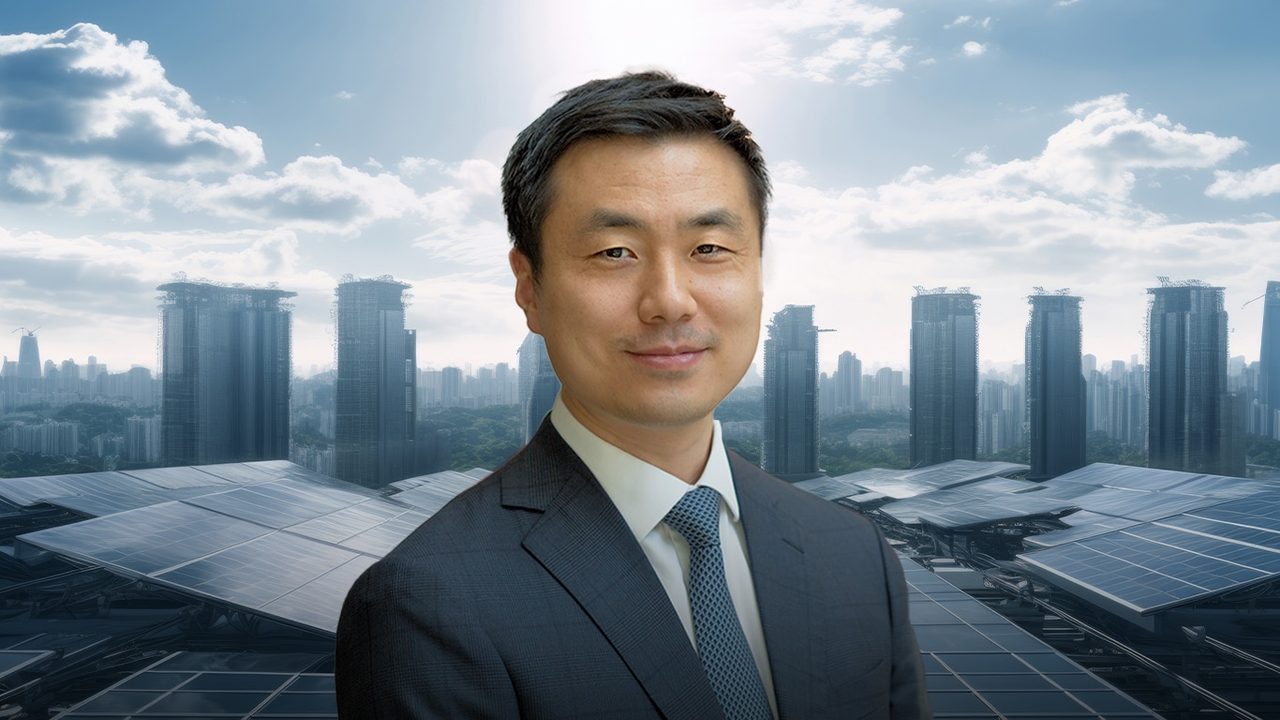
Justin Woo, Managing Director of Sustainability and Climate Change for Asia and the Middle East at HSBC, said that clean or renewable energy has become a mainstream focus worldwide because it aligns with addressing climate change and energy security. This has led many countries to set Net Zero targets for greenhouse gas emissions, resulting in massive financial flows.
By 2025, global clean energy investment is expected to reach $2.3 trillion, up from about $60 billion in 2005. Over 80% of this investment remains concentrated in China, the European Union, and the U.S. However, it is believed that investment will increasingly flow into Asia, ASEAN, and Thailand due to ongoing economic growth opportunities.
Thailand aims for clean energy to account for 51% of electricity generation by 2037, up from the current 5.7%. Three main factors support this goal:
Regarding energy security, Thailand has faced challenges three times in the past six years—from the COVID-19 pandemic, the Russia-Ukraine war, to the recent Middle East conflict—prompting many businesses to plan for increased clean energy development.
HSBC has reviewed energy transition plans from over 2,000 clients, gaining insights into the challenges and opportunities across industries. In Thailand, major local energy organizations like BGRIM, PTT, Banpu, and Gulf seek to develop new technologies and require financial support to restructure their businesses for growth and comprehensive risk management.
Heavy manufacturing industries such as cement and chemicals still face significant challenges in transitioning due to technological limitations. These industries need serious government support and flexible financial solutions to survive the transition period.
Since each company’s transition path differs, HSBC offers diverse solutions including loans, investment linking, liquidity management, foreign exchange management, partnerships, and supply chain support to meet the needs of Thai investors expanding their businesses and foreign investors seeking to grow in Thailand.
Follow the Facebook page: Thairath Money at this linkhttps://www.facebook.com/ThairathMoney