

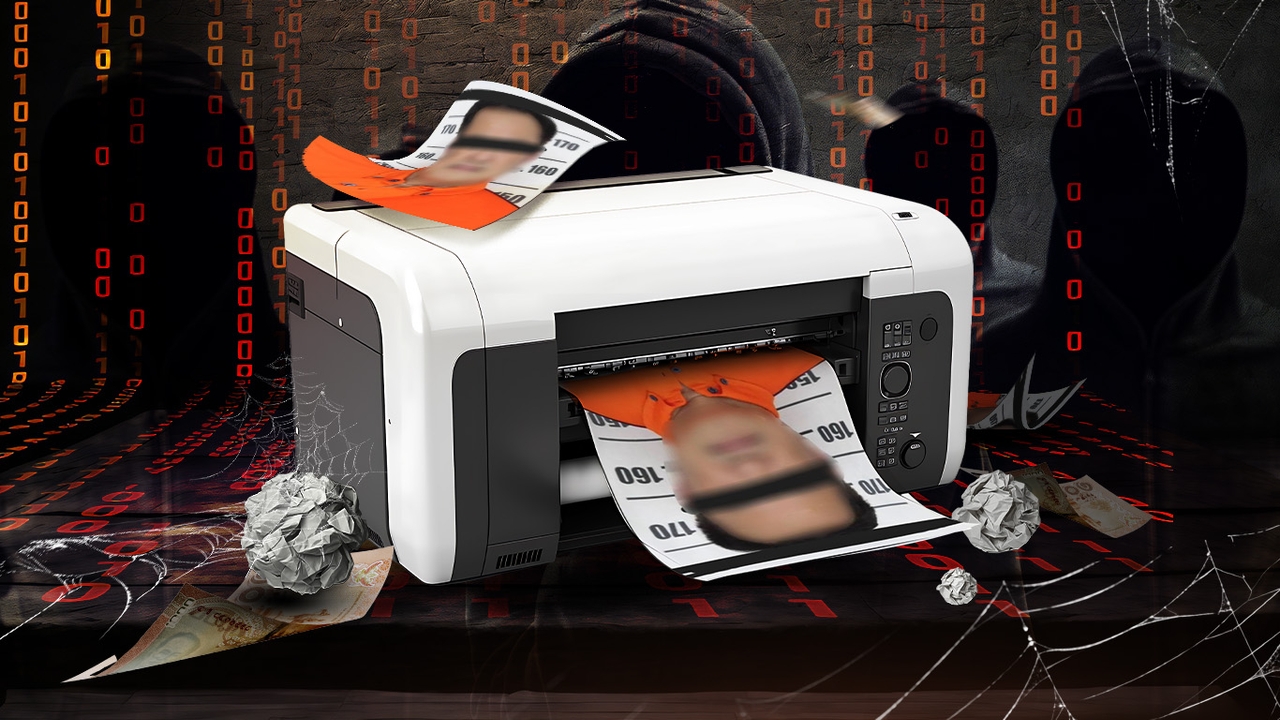
The case involving the online leak of personal data of a high-ranking official in the Ministry of Interior, including Prime Minister Anutin Charnvirakul, has raised serious concerns about government data security. The leaked information included photos of identity cards and some personal details, prompting several agencies to investigate the source of the breach and prepare legal actions against those who improperly disclosed the data.
Although the investigation is ongoing, cybersecurity experts unanimously warn that such data breaches go beyond privacy issues. In the hands of criminals, this information can become vital "raw material" for identity theft, document forgery, and various forms of financial crime.
The question is: when personal data used in government systems or from identity cards is leaked, how can it cause financial damage to the data owners?
According to data from the Personal Data Protection Committee (PDPC) and the Bank of Thailand (BOT), if civil registration data such as full name, ID card number, date of birth, address, parents' names, or household registration information falls into criminal hands,
the harm goes beyond privacy violations and can escalate into multiple types of financial threats. This is because such data is commonly used for identity verification across many public and private services.
The key risks include:
If you suspect your data has been leaked, take immediate action:
Even partial data leaks may not immediately allow criminals to steal money, but when combined with other leaked data sources or if victims inadvertently reveal OTPs or confirm transactions, financial damage can occur rapidly. Such data should be regarded as the "first key" to financial attacks in the digital era.
Follow economic and government policy updates with ThairathMoney at:https://www.thairath.co.th/money/economics/thai_economics
Follow the Facebook page Thairath Money at:https://www.facebook.com/ThairathMoney