

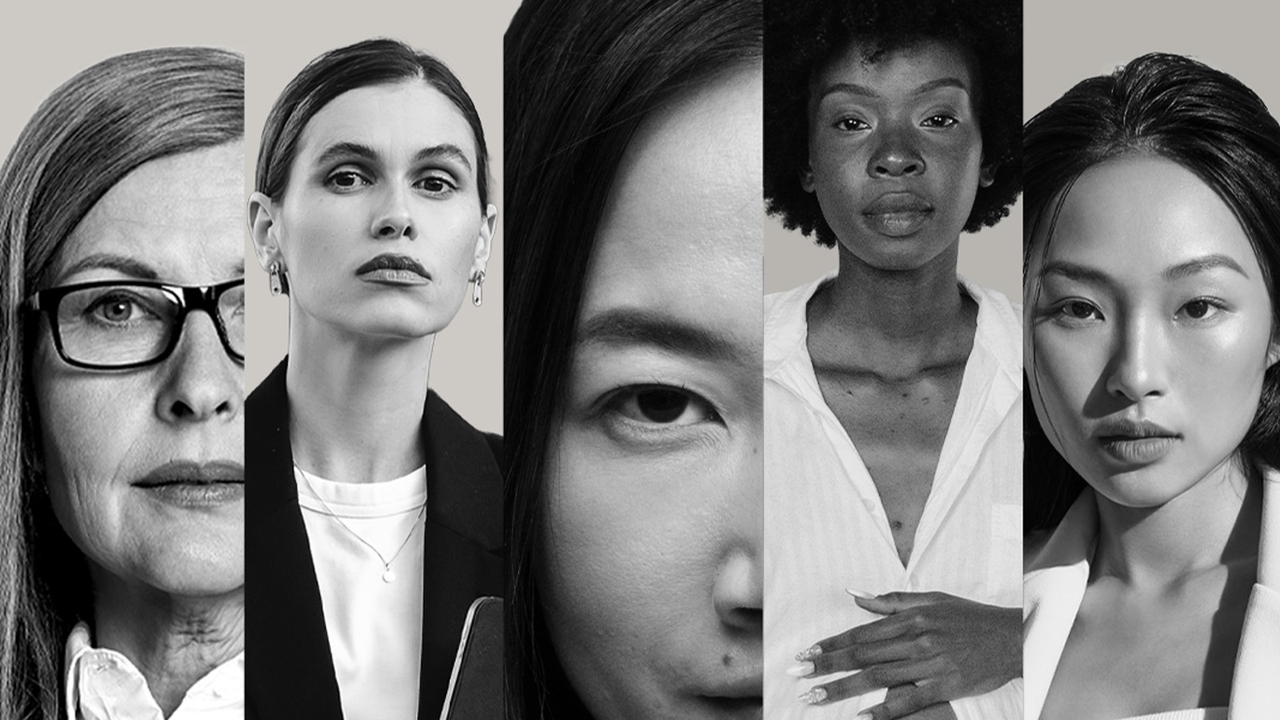
"What value do women have?" — the question posed.
This question arose after a clip of a young male coach was widely shared, in which he spoke about women aged 35, questioning what inventions women have contributed to the world. He argued that housework does not benefit men and tied women's value solely to appearance, age, and gender.
In a world with open access to research and education even in remote areas, finding answers about inventions is not difficult. For example, Mary Anderson patented the windshield wiper in 1903; Grace Hopper developed one of the first compilers that simplified computer programming; and Professor Dr. Krisana Kraisintu, a Thai female pharmacist, invented and developed a combined antiretroviral pill (GPO-VIR) that reduced treatment costs by over 20 times and saved millions of lives in Thailand and Africa.
These three are just selected examples among many female inventors worldwide. But we need not look far into history; consider women who open shops, manage accounts, serve customers, pay rent, and bear the risks of running businesses themselves. Today, many capable women operate across various industries.
Data from 2022 presented by the World Bank shows that among sole proprietors in Thailand, women constitute 58%, the highest proportion among studied countries. This figure refers specifically to sole proprietorships, not all types of Thai businesses, but it is sufficient to show that women do not wait for support; they independently earn a living and own their businesses, making Thailand the only economy worldwide with a consistently higher proportion of female sole proprietors than males.
Further analysis reveals that the proportion of women on company boards in Thailand ranks second globally, behind only South Africa.
To see the bigger picture of Thai women leading national and multinational businesses, Jareepon Jarukornsakul is one example. She manages industrial estates, logistics, and utilities, currently serving as CEO of the WHA Group.
Or Walapa Traisorat, the leading force behind the real estate empire AWC, cultivating assets worth over 220 billion baht; and Suphajee Suthumpun, a female executive known for reviving and managing leading businesses in technology, satellite telecommunications, and steering Dusit Thani Group through a global crisis before serving as Minister of Commerce.
Yet the 58% figure invites us to look beyond famous executives to the many small business owners encountered daily. There is another type of work that enables household members to earn income, but the workers receive no pay slips—such as caring for children, accompanying elders to medical appointments, cooking, and managing the household. The International Labour Organization (ILO) reports that Thai women spend more than three times as much unpaid time on caregiving than men.
Suppose someone spends three hours daily caring for family. Valuing this work at just 100 baht per hour amounts to 109,500 baht annually. This is a calculation example, not an actual wage, and excludes days when work hours are reduced, additional jobs declined, or savings halted due to caregiving responsibilities.
Being a mother or wife should not mean bearing these duties alone. Families benefit from caregiving and should share both time and costs.
Thairath Money simulated the comparative financial impact between a woman working continuously for 20 years and one who stops working for 10 years to be a homemaker and caregiver. Assuming a starting salary of 30,000 baht, an average annual income growth of 5%, and an average investment return of 6%, the findings are as follows.
The lost amount affects not only income during that period. Assuming both save 15% of their salary and invest at 6% annually, after 20 years, the continuous worker would have about 2.99 million baht saved, whereas the woman who stopped after 10 years would have about 1.57 million baht, even allowing previous savings to grow until year 20.
This is a model; investment returns are not guaranteed annually, and real life may include other income during caregiving. Still, these figures clarify a cost of domestic work: those who stop working lose opportunities to earn and build savings, while family members continue to receive daily care.
Ultimately, in family economics, the power to direct one's life depends on "outside options." If a woman has no personal income and relies entirely on others financially, her options to protect herself drop to zero, forcing submission to toxic relationships, devaluation, or violence.
Financial independence is not about greed; it is "Life-Governing Agency"—the power to choose one's life. When a woman earns her own money and stands on her own feet,
For every woman, "earning independently" is not just a number in a bank account; it is the tool to establish freedom, enabling us to truly determine our own destinies.
Read economic news and government policies with ThairathMoney to give you "Good Finance, Good Life" at
Follow the Facebook page: Thairath Money at this linkhttps:// www.facebook.com/ThairathMoney