

As the world faces increasingly severe and frequent climate fluctuations each year, Bangkok has recently experienced unprecedented severe flooding crises.
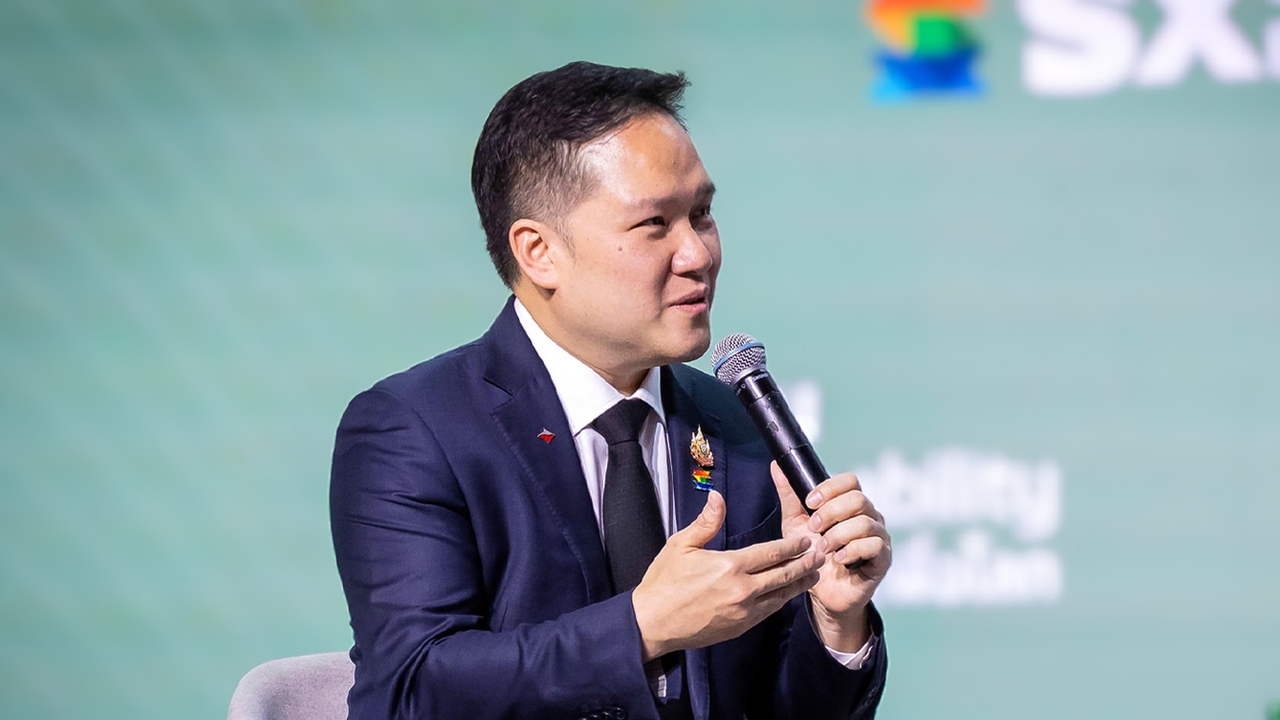
Amid questions about whether "we should flee to build a new city," Panote Sirivadhanabhakdi, CEO of Frasers Property Limited, developer of the over 120-billion-baht One Bangkok project, shared his perspective at the "Bangkok’s Next Chapter: Growing with Water" panel during the Sustainability Expo 2026 (SX2026). He emphasized that the city's survival lies not in fleeing, but in "adapting and transforming" urban development thinking today to hand over a safe and livable city to the next generation.

Data from the UN-Habitat World Cities Report highlights looming risks, noting that over 2 billion urban residents may face temperatures rising at least 0.5 degrees Celsius by 2040, alongside more intense storms and droughts. Meanwhile, average green space in cities globally has dropped from 19.5% to just 13.9%.
For Bangkok, the situation is even more concerning, as the green space per capita ranks among the lowest in ASEAN. The city is dominated by a "concrete jungle" lacking natural water absorption areas, leading to interconnected crises.
If no sector begins addressing these issues now, the city will become increasingly vulnerable to disasters, recovery costs will rise, and younger generations will face the risks of living in an unsafe environment.

From Panote's perspective, building a safe city cannot rely solely on public infrastructure investments; private developers must also share responsibility. Modern real estate development should shift from maximizing building footprint (GFA) to creating open spaces and urban ecosystems, similar to Singapore's urban development model.
This concept is the core design principle of One Bangkok, Thailand's largest private mixed-use project, transforming the image of high-rise city buildings into an Urban Forest through key approaches.
Panote stressed that "urban planning" is only one tool; what will make transformation real is cooperation among all sectors—government, policymakers, designers, engineers, and developers.
Government openness to reducing red tape and focusing on beneficial outcomes for citizens encourages private sector investment in green innovation and stewardship of public spaces around projects. This has proven that investing in new environmental and ecosystem innovations does not reduce business efficiency or value but lowers long-term costs, improves quality of life, and enhances the city's competitiveness.
Bangkok's next chapter depends on today's decisions—whether all urban developers dare to shift their mindset from "exploiting space" to "returning space to nature" so the capital remains a safe, sustainable home with growth opportunities for future generations.
Read economic and government policy news with ThairathMoney to help you achieve "Good Finance, Good Life" at
Follow the Facebook page: Thairath Money at this linkhttps:// www.facebook.com/ThairathMoney