

Over the past two weeks, meetings of several central banks have caused significant turmoil in financial markets, despite positive news about the reopening of the Strait of Hormuz providing some relief.
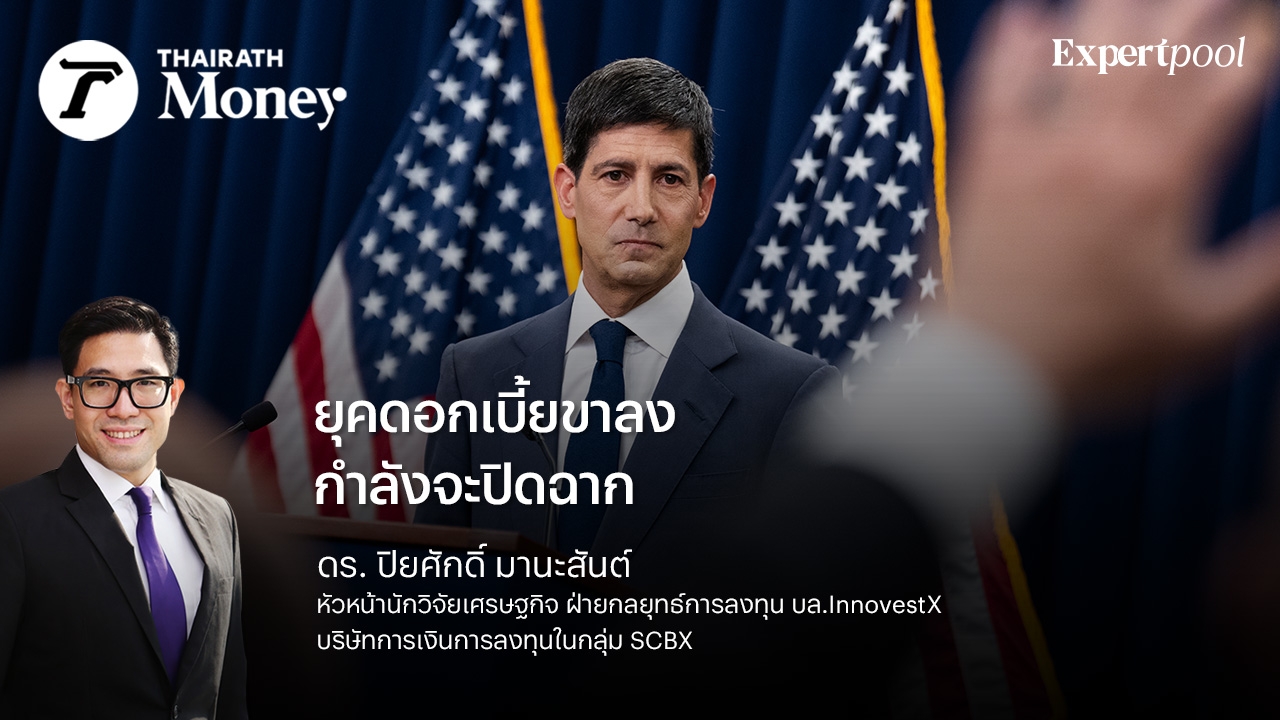
It began with the U.S. Federal Reserve (Fed), which held its first meeting under new Chair Kevin Warsh. The Fed unanimously decided, 12-0, to keep interest rates at 3.50-3.75% as expected. However, the "dot plot" — the Fed officials' interest rate forecast — shifted upward, indicating the Fed may need to raise rates once more this year, reversing the March outlook which anticipated rate cuts.
The market immediately reacted negatively. Major U.S. stock indices — the S&P 500, Nasdaq, and Dow Jones — fell about 1%. The fear gauge (VIX) surged, 10-year Treasury yields edged close to 4.5%, and the dollar strengthened as markets began to accept that interest rates would remain higher for longer than previously thought.
More profound than the numbers was the Fed's new communication style under Chair Warsh. The Fed removed forward guidance and shortened its statements, explaining that amid such uncertainty, it should not commit to a predetermined path. This has made future rate direction harder to predict.
The Fed is only the "third bell" to ring in this closely timed sequence.
The first bell came from Europe, where the European Central Bank (ECB) raised interest rates by 0.25% to 2.25%, becoming the first major central bank to hike rates since the outbreak of the Middle East conflict. Notably, the ECB lowered its Eurozone growth forecast for this year to just 0.8%, but raised its inflation forecast to 3.0%. In other words, "the economy is weakening but rates must still rise," driven by rising energy prices. The ECB fears that if unchecked, inflation could spread to wages and other prices, embedding itself and becoming harder to control.
The second bell rang in Japan, where the Bank of Japan (BOJ) raised rates to 1.00%, the highest level in over 30 years since 1995. The pressures were too strong to ignore, including inflation above 2%, the sharpest wage increases in decades, and a weakening yen that has itself become an inflation driver. A key point to watch is that as Japanese bond yields rise, capital that had flowed out globally may return home, tightening global financial conditions further.
Many may hope that once the war ends, oil prices and inflation will fall, allowing central banks to cut rates again. However, the reality is more complex. The real risk does not lie in U.S. consumer inflation (CPI) at 4.2%, but in producer prices (PPI) accelerating to around 6.5%.
These rising costs are "stuck in the pipeline," waiting to be passed on to consumers, similar to what happened during the Russia-Ukraine war when inflation persisted longer than expected. Moreover, the Strait of Hormuz will take several more weeks to fully normalize, with over 600 ships delayed, keeping oil prices elevated. Emerging markets with weaker finances remain vulnerable, such as Indonesia, which had to raise emergency interest rates to support its currency.
Where does Thailand stand? The good news is that Thailand is in a better position than many neighbors. Although the country runs fiscal and trade deficits, much of this stems from importing machinery and capital goods for digital investments. Furthermore, Thailand’s foreign reserves remain among the highest in the region. We therefore expect the Bank of Thailand to maintain the interest rate at 1% throughout this year, viewing the rising inflation as temporary and driven by costs, which can be "overlooked."
The outlook is not entirely bleak. Using a simple "escape velocity" framework, the economy faces three "gravitational forces" in Q3: inflation, rising bond yields, and Fed policy uncertainty. However, there are also three "driving forces" to help push upward and gradually ease inflation: the reopening of the Strait of Hormuz lowering oil prices, fiscal stimulus measures especially in Japan and Thailand (Thailand has a 400 billion baht loan framework), and ongoing AI investment boosting demand for chips and data centers worldwide. If these drivers overcome the drags, the economy and investment environment will regain "good health."
For investors, we see the market tone shifting from "selective aggressive stock picking" to "more cautious but not fully withdrawing," as the economy continues to grow despite inflation’s return.
An interesting point is that with interest rates expected to remain high and bond yields rising, the group benefiting most directly is "large commercial banks," which can maintain good net interest margins (NIM). Leading banks include SCB, BBL, KBANK, and KTB. However, investors should focus on large banks only, not the entire financial sector, since retail loan stocks remain under selling pressure.
Technology stocks supported by AI remain attractive but require selecting companies with genuine profit growth and reasonable valuations. Meanwhile, healthcare stocks continue to be suitable defensive positions.
Sectors sensitive to high interest rates, such as power plants, REITs, and low-quality growth stocks, should be underweighted. Bonds should focus on short- to medium-term maturities around 3-7 years to capture higher yields. Gold should be retained for diversification but does not need to be increased hastily.
In summary, the cost of capital will not return to previous lows. However, as long as the economy can grow and the three driving forces remain effective, investment opportunities exist but require more precise selection. The good news from Hormuz may not restore cheap borrowing costs but is sufficient to help Thailand’s and the global economy gradually overcome gravitational drags toward a healthier investment cycle ahead.
We wish all investors good luck.
Read stock and investment news with Thairath Money at
Follow the Facebook page: Thairath Money at this link