

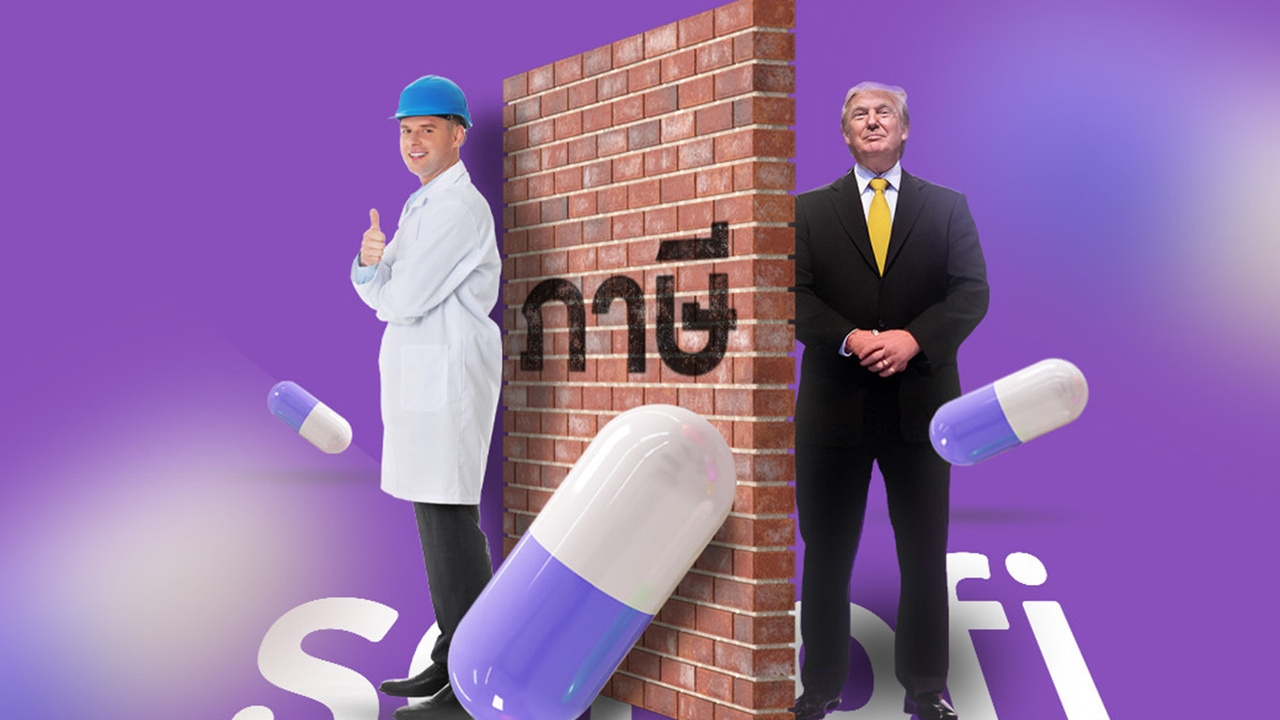
In an era when Donald Trump's "America First" policy has once again shaken the business world, the pharmaceutical industry has become a major target for scrutiny over excessively high prices.
Amid these concerns, Sanofi, a global pharmaceutical company from France, chose not to wait and voluntarily negotiated and reached an agreement to "cut drug prices" in exchange for "tariff exemptions."
This deal is not just political; it signals that Sanofi is ready to secure its market share in the U.S., its largest market, as firmly as possible. Why is this interesting? Thairath Money will take a deep dive.
Sanofi S.A. is a major global pharmaceutical company headquartered in Paris, France, founded in 1994. It drives its progress through research and development (R&D) and artificial intelligence (AI), committed to improving people's quality of life and fostering growth.
It specializes in the immune system and develops drugs and vaccines that treat and protect millions worldwide. Sanofi’s business portfolio is not just about common pills for pain relief but focuses on advanced innovations divided into main groups including:
Regarding performance, Sanofi generates massive annual revenue. While some older drugs have slowed, sales of Dupixent continue to grow steadily. In 2024, net revenue reached €41.081 billion, up 8.6% from the previous year, and net profit stood at €5.56 billion, a 2.96% increase from €5.4 billion in 2023.
The results for 2025 and Q4 2025 are expected to be announced on 29 January 2026. Overall, it is a company with strong cash flow and consistent dividend payments.
The big news came when Sanofi announced an agreement with the U.S. government on 19 December 2025. The details demonstrate the management's savvy willingness to "take a hit to finish" to protect long-term market share. Sanofi agreed to reduce drug prices in the U.S. Medicaid program by an average of 61% (covering diabetes, heart disease, and cancer drugs) and cut prices by up to 70% for direct sales to the public via the TrumpRx.gov platform.
The company also received a 3-year exemption from import tariffs under Section 232, which is crucial because facing full tariffs could have caused more damage than the price cuts.
Additionally, Sanofi confirmed plans to invest $20 billion in the U.S. by 2030, expanding factories and R&D, currently employing over 13,000 people in the country.
Interestingly, Sanofi affirmed that "this deal will not affect growth targets or financial outlook over the next three years," meaning the company has assessed that accepting price cuts while maintaining its customer base and avoiding import tariffs is the most worthwhile option.
Paul Hudson, Chief Executive Officer of Sanofi, said, "Collaborating constructively with the U.S. government enables us to proceed with plans that reduce drug prices for Americans today while strengthening the vital role of the U.S. in driving future medical innovation."
From an investment perspective, this is a positive signal that clearly alleviates investor concerns. Asia Plus Securities' research department noted that Sanofi confirmed the agreement will not affect growth strategies or financial outlook over the next three years, without disclosing specific conditions, responding to four demands in a letter dated 31 July 2025 from President Trump.
According to Bloomberg Consensus, 21 out of 28 analysts recommend "buy" for Sanofi shares, with an average target price of €103.51, implying an upside potential of about 26% compared to the current price.
For Thai investors interested in a pharmaceutical company with strong fundamentals, steady dividends, and resilience through trade wars, there are several options, such as directly investing in foreign stocks by opening an international brokerage account with Thai brokers to trade on two main stock exchanges:
Investors can also invest via global healthcare mutual funds managed by Thai asset management companies, most of which include Sanofi as a core holding. However, investors should review the Fund Fact Sheet before investing.
Additionally, the Thai market currently offers Depositary Receipts (DR) for many global stocks. Krungthai Bank has introduced Sanofi DR under the ticker SANOFI80, which can be bought and sold in Thai baht on the Thai stock exchange.
Read stock and investment news with Thairath Money at
Follow the Facebook page: Thairath Money at this link