

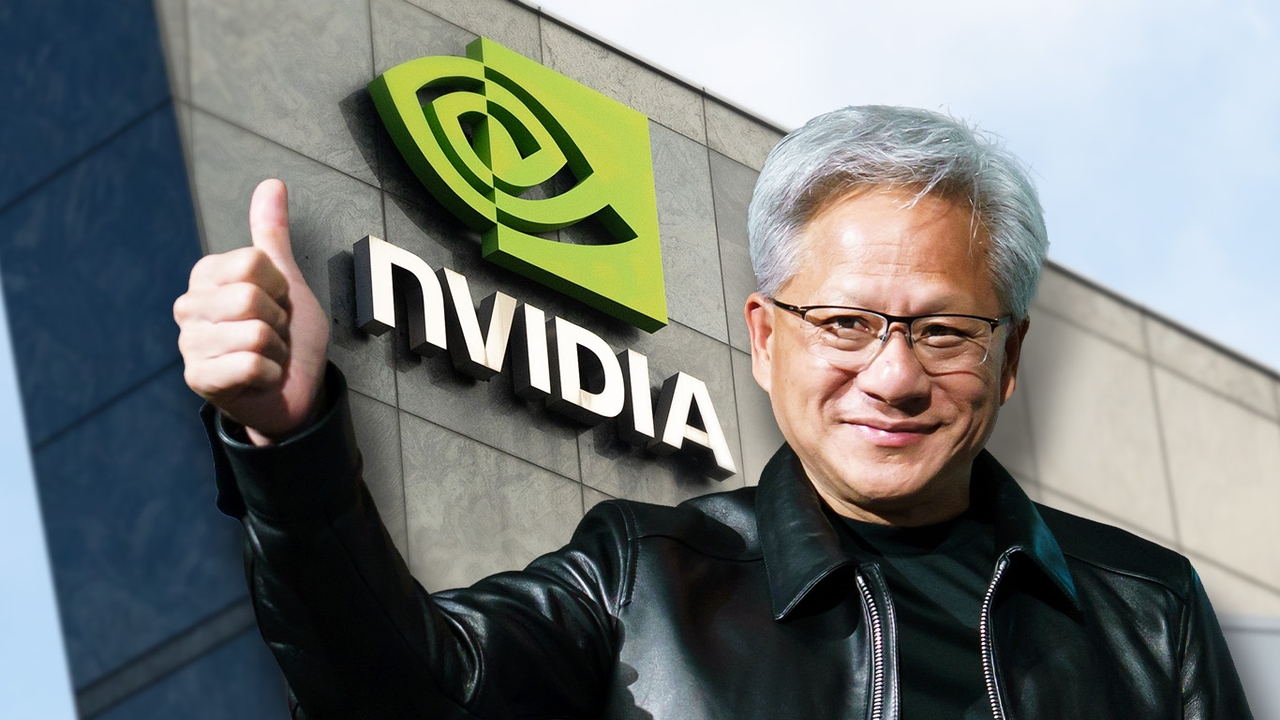
Nvidia, a leading global AI chip manufacturer, reported Q2 2027 earnings that exceeded analysts' expectations for both revenue and profit. The company also forecasted next year's revenue to surpass market estimates, causing Nvidia's shares to jump about 4% immediately.
Nvidia's results compared to analyst estimates are as follows:
Colette Kress, Nvidia's Chief Financial Officer (CFO), said during a meeting with analysts that the company expects 2028 revenue to grow 70%, exceeding the 44% forecast by analysts.
Kress also noted that the company's growth will double next year, but production and chip supply constraints must be considered.
Nvidia remains at the center of AI industry growth, with its business expanding rapidly as technology companies worldwide accelerate AI investments. Nvidia's chips are crucial in developing and powering new-generation AI models.
Moreover, Nvidia is playing a larger role beyond chip sales by increasing financial support, including guarantees and various agreements, to help fund new Data Center projects. In short, Nvidia is deepening its involvement in the AI ecosystem to enable Data Centers using its chips to become a reality.
However, after Nvidia's stock surged strongly over the past three years, investors have become more cautious this year. As of last Wednesday's close, Nvidia shares have risen about 13% year-to-date, slightly outperforming the Nasdaq index.
Despite strong business growth, Nvidia faces increasing competition, especially from rivals like AMD and Google, as well as other companies developing their own AI chips and technologies.
Nvidia is also dealing with rising memory costs amid a global memory shortage, with no clear signs of relief soon.
Nvidia revealed that it has sold some H200 chips to customers in China in the latest quarter, but shipment volumes remain below the U.S. government's export allowance.
Nvidia stated that H200 sales to Chinese customers account for less than 1% of its Data Center revenue in Q2. The company also noted it has not reached the full export quota approved by the U.S. government due to Chinese authorities' resistance to importing these chips.
However, Nvidia reported that revenue from these chip sales, along with other non-AI products such as gaming hardware, helped generate $7.88 billion in revenue from China—nearly double the amount from the previous year.
Additionally, in its earnings forecast, Nvidia still projects zero revenue from Data Center and AI chip sales originating from China.
Since 2022, Nvidia has faced increasingly strict U.S. export controls limiting high-performance AI chip sales to China amid concerns that the technology could enhance China's military capabilities.
Currently, the H200 chip trails Nvidia's latest Rubin processors by two generations but remains competitive in China. One major competitor is Huawei, which is developing its own chips in collaboration with SMIC. However, both Huawei and SMIC face U.S. restrictions on access to critical chip manufacturing equipment, such as lithography machines.
For stock and investment news, visit Thairath Money to help you achieve “Good Finance, Good Life” athttps://www.thairath.co.th/money/investment
Follow the Facebook page: Thairath Money at this linkhttps://www.facebook.com/ThairathMoney