

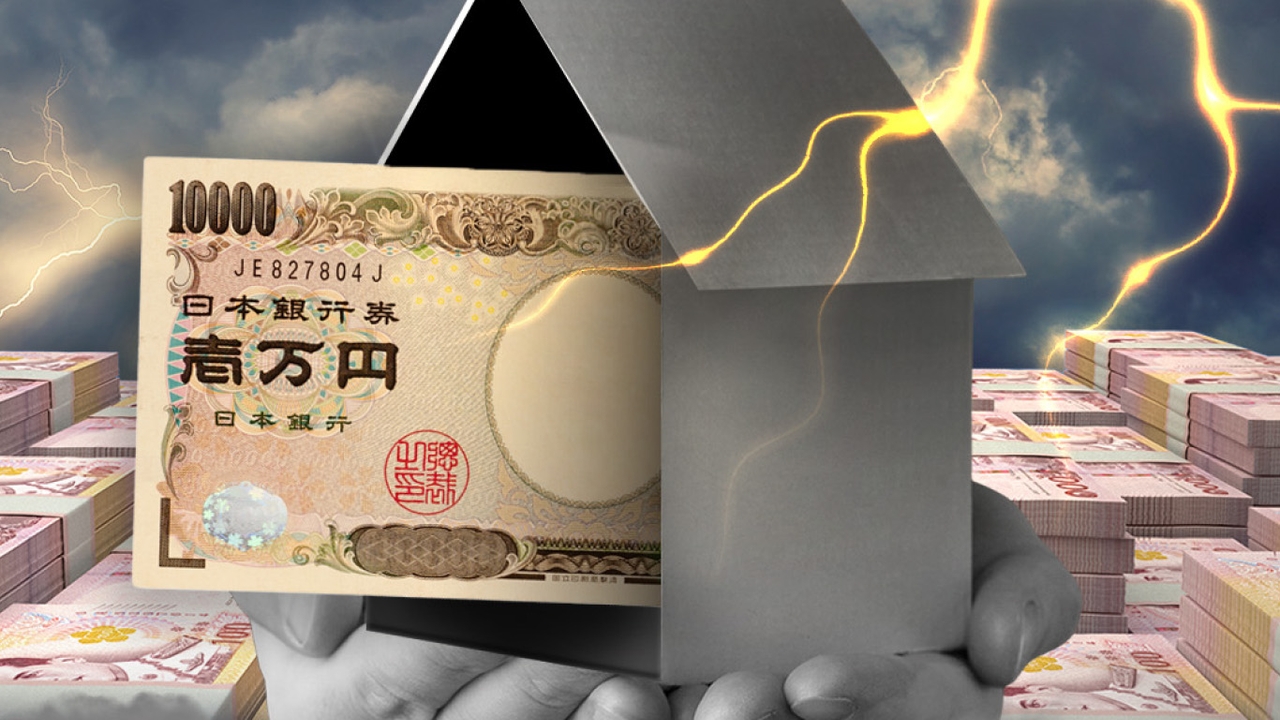
Did you know that the Japanese yen and Thai baht were once viewed as safe-haven assets known for stability? However, since the COVID-19 crisis, investors no longer see them that way. Now with both currencies weakening, how will this changing situation impact us?
Dr. Amorntep Jawala, Assistant Managing Director, CIMB Thai Bank Research Division, told Thairath Money that the Japanese yen lost its Safe Haven status after COVID-19 as Japan continued its monetary easing policy.
Recently, the yen weakened to its lowest point in 40 years. Although this affected bond yields and some importers, it has not significantly impacted the stability of Japan’s financial markets.
“The yen is weak but Japan’s fundamentals are strong. They have a current account surplus, export capacity, investment, and their economy is not shrinking. Even though interest rates are now as low as Thailand’s, Japan can still move forward. They have large reserves, and the yen remains a global reserve currency. The yen’s 40-year low hasn’t undermined their financial market stability,” Dr. Amorntep explained.
Regarding the weaker yen, he noted it benefits Thai tourists traveling to Japan. However, businesses depending on Japanese tourists or rental properties aimed at Japanese tenants may see reduced spending power, as yen converted to baht yields less. Importantly, Japan’s private sector investment in Thailand, once the highest foreign direct investment (FDI) source before being overtaken by China, appears to have declined, reflecting reduced Japanese overseas investment compared to the past.

The baht has historically paralleled other currencies—for example, it was once considered a Safe Haven like the yen and was poised to become a regional Safe Haven alongside the Singapore dollar, which is the most stable currency in the region. Currently, Dr. Amorntep sees the baht sharing some similarities and differences with other regional currencies. Factors causing its weakening are consistent with trends seen in neighboring countries.
For 2026, the baht is forecasted to be around 32.60 per US dollar by year-end, moving within a range of 32.00 to 33.00 baht per dollar for the rest of the year. The baht is not expected to weaken beyond 33.00 because the anticipated drop in global oil prices should help support the current account surplus. Additionally, tourism income will help stabilize the balance of payments. The current account is expected to remain steady in 2026, although a temporary deficit might occur in Q2.
Nevertheless, Thailand’s economy faces long-standing challenges such as an aging population, labor shortages, and slower growth compared to the past.
“Personally, I would like to see the baht weaken more because Thailand’s economy is not growing, and tourism or other incomes are stagnant. It may be time to restructure the economy and improve efficiency. If the baht weakens to boost competitiveness or increase national revenue, it isn’t necessarily harmful, but it must be done cautiously,” Dr. Amorntep said.
Although not the base case, there are key risk factors that could cause the baht to weaken dramatically or fluctuate, mainly driven by external factors such as capital outflows. Recently, markets have worried that US interest rate hikes could cause money to flow out of emerging markets back to the US dollar.
Thus, in the second half of the year, sharp baht depreciation could stem from three factors:
1. US policy interest rate hikes
2. Concerns about the direction of the Middle East conflict
3. A crash in AI sector stock markets, which could push investors toward Safe Haven assets like the US dollar
Ultimately, it will be important to monitor global factors affecting the baht. Meanwhile, Thailand should focus on long-term improvements to attract investment and foster stronger economic growth.
Read personal finance and financial planning news with Thairath Money to help you “Achieve Good Financial Health and a Better Life.”https://www.thairath.co.th/money/personal_finance
Follow the Facebook page: Thairath Money at this linkhttps://www.facebook.com/ThairathMoney