

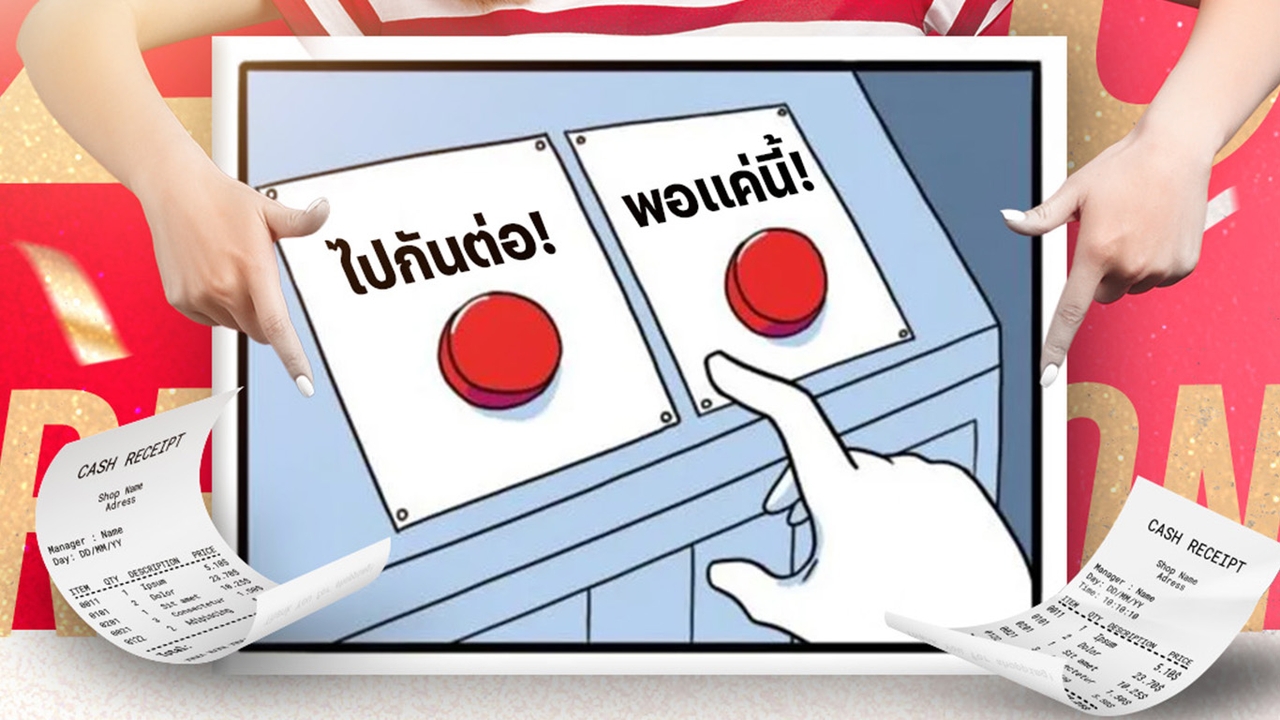
As 2025 nears its end, social media fills with lists of “things not continuing into next year.” Some are just trends that change over time, but when it comes to money, certain behaviors are not just outdated—they are slowly destroying lives long term. Especially now, with a slowing economy, incomes that don’t keep up with the cost of living, and uncertainty becoming a normal part of working life.
Living for social media isn’t wrong. The desire for a better life drives many today. But if that lifestyle is fueled by overspending, no savings, and debts that add no value, 2026 might not be as kind as hoped.
1. Income rises but savings remain zero
This is a classic sign of “income grows but behavior doesn’t.” Many get a raise, bonuses, or extra income, but each time income increases, their lifestyle upgrades immediately—more expensive shops, more must-have items, more frequent trips. The result: no matter how well you earn, you remain stuck in a month-to-month cycle with no emergency savings, becoming vulnerable the moment income falters.
2. No long-term financial plan because of “I’ll save later” thinking
Living fully today and worrying about tomorrow later is a common trap among young people. The issue isn’t spending for happiness but continually postponing saving until years pass with no lump sum, no investments, and no confidence about how life would continue if the unexpected happens.
3. Multiple unnecessary debts and starting to miss payments
Credit cards, 0% installments, personal loans, or loan apps may seem helpful, but without a plan, these debts gradually erode cash flow monthly. Frequent late payments don’t just damage credit—they reflect a breaking financial structure approaching a point where one “earns to pay debt” rather than “earns to live.”
4. Regularly spending money before receiving income
Charging expenses before thinking about them becomes a habit that obscures the real cost of spending. When next month’s expenses are already spent this month, the salary that should be a security base becomes just a number used to cover past costs. This leaves no room for saving, investing, or building long-term wealth.
5. Spending to compete with others’ lifestyles
Social media constantly shows seemingly better lives. Unconsciously, many try to spend to keep their life “in frame” with peers—whether eating out, traveling, dressing up, or living beyond their means. Spending driven by comparison never leads to financial security—only exhaustion and a constant feeling of falling behind.
Abandoning bad financial habits doesn’t mean living tightly but choosing new priorities. Let money be a tool for security, not a source of stress.
Start by tracking income and expenses to face financial reality, then use the 50/30/20 rule to balance happiness and savings. When there’s surplus, investing in RMF or Thai ESG funds helps savings grow and offers long-term tax benefits. Also, keep debt below 40% of net income and plan systematic debt repayment to regain financial breathing room.
In 2026, life may not look glamorous to others, but if it’s free from heavy stress and financial stumbles, that could be the best version of life in this economic era.
Source: Krungsri Bank
Read personal finance news and money planning with Thairath Money for your "Better Finances, Better Life"https://www.thairath.co.th/money/personal_finance
Follow the Facebook page: Thairath Money at this linkhttps://www.facebook.com/ThairathMoney