

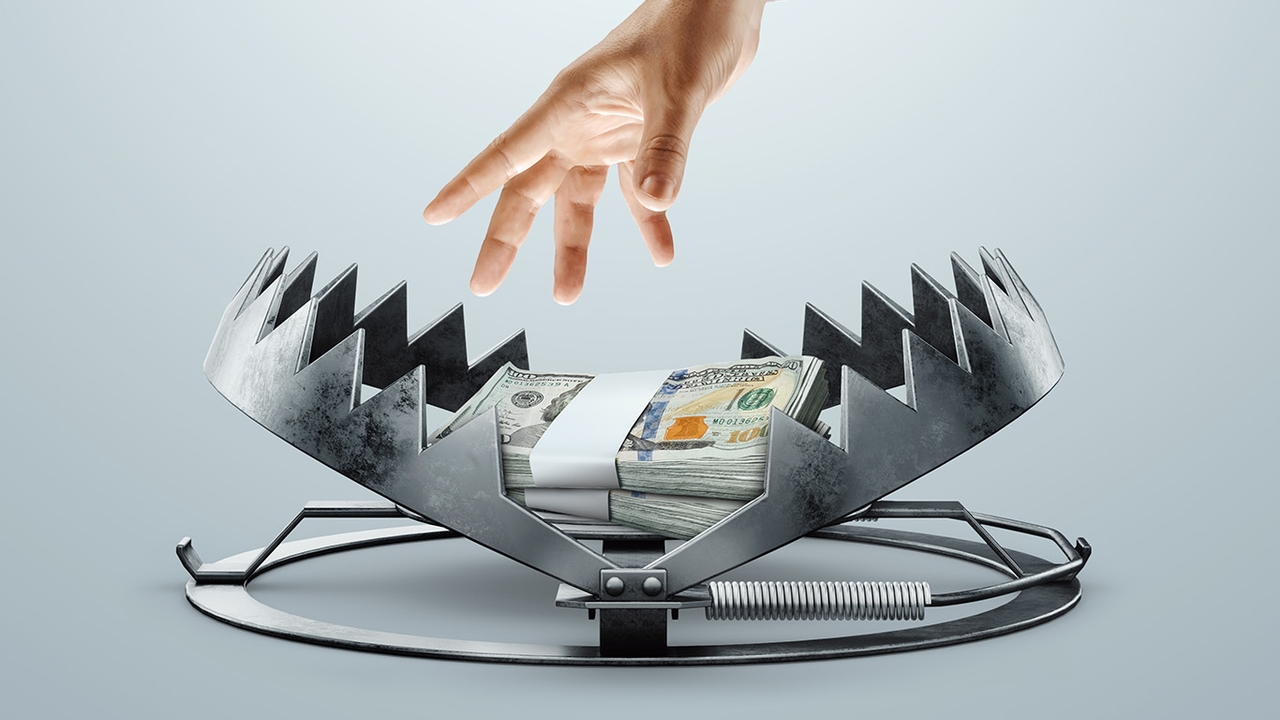
In the social media era, we often see images of “young millionaires” driving luxury cars or living seemingly easy lives, promoted by enticing claims like “earn hundreds of thousands in one day of trading” or “invest tens of thousands, change your life to millions.” These images create the impression that shortcuts to wealth are easy and accessible to anyone.
But in reality, the “dream of getting rich quick” often hides risks that can cause even greater harm. To help you plan your finances securely, here are the "get-rich-quick traps" you need to recognize and avoid.
Looking back to 2021-2022, cryptocurrency was still new, with Meme coins and many others emerging. During that chaotic period, many Thais jumped into the crypto market, sometimes without even knowing what the coins they bought could do...
They only knew “friends were profiting” and “influencers said prices would rise.” Although some coins surged in price, without understanding the market or players' behavior and lacking a good trading plan, many had to sell at a loss when prices fell.
This situation didn’t only happen in crypto but has long existed in the stock market, where retail investors hear rumors that Stock A will rise and, fearing to miss the upswing, buy without even knowing the company—often ending up suffering losses.
This fear of missing out behavior is called FOMO (Fear of Missing Out). Investors driven by emotions and feelings risk losses both in the short and long term.
The solution: Though it may sound tedious, before investing, you must thoroughly research, plan your buy and sell strategies, and importantly, understand your own risk tolerance and readiness to accept losses if unexpected events occur.
Have you ever felt that after making profits, you’re ready to take even bigger risks? In investment psychology, this is known as The House Money Effect. For example, if you go to a casino or invest in a stock and make easy, lucky profits, you might become bolder and invest more money.
Even if you lose some, you don’t feel regret or think it’s your own money yet. However, this “risk-taking” feeling can lead you into a financial abyss if you overinvest without proper planning.
The solution: Enjoy your profits but apply brakes before deciding on new investments to prevent overtrading or risking more than you can handle. If you reinvest all your profits without clear planning, your profitable portfolio may unknowingly turn into losses.
“Earn 5-8% interest per year, guaranteed and risk-free.” Everyone wants easy profits like this. But whether it’s bonds or any investment, you must always verify and assess your own risk tolerance in case of default.
In 2025, some bonds in Thailand defaulted or postponed payments to bondholders. There have been cases of fraudulent companies causing many to lose their savings unexpectedly. Worst of all, some have been scammed out of hundreds of thousands or millions.
The solution: Diversify your investments and allocate portions to high-return assets after thoroughly checking their credibility, performance, registration, and relevant licenses to avoid transferring money to fraudsters.
Winning 60 million baht in the lottery but later becoming poorer, or entrepreneurs gaining tens of millions but soon losing it all—these stories are common in Thailand. Partly because maintaining wealth isn’t easy, many fall into the luxury trap (Lifestyle Inflation). When money comes in quickly, we often upgrade our lifestyle immediately to satisfy ego. These expenses become “fixed costs,” while income from risky sources is “temporary.”
In investing, some also fall into the confidence trap (Self-Serving Bias). For instance, after making large short-term profits, the brain convinces us it’s due to “skill” rather than “luck.” Increased confidence may lead us to neglect diversification and go all-in next time, risking everything.
The solution: Plan your life to meet your real needs—cash, liquidity, debts, desired possessions, essential assets—and clearly analyze how much is enough and how necessary new purchases or investments are, as well as your acceptable risk level.
Importantly, don’t forget to set aside an emergency fund covering at least 3 to 6 months (some plan 6 to 24 months) in the safest assets, ready to withdraw if unexpected events occur.
Source: yahoo!finance, Investopedia, Chulalongkorn University, PI SECURITIES PCL
Follow personal finance news and planning with Thairath Money to help you achieve “Good Finances, Good Life.”https://www.thairath.co.th/money/personal_finance
Follow the Facebook page: Thairath Money at this linkhttps://www.facebook.com/ThairathMoney