

In an era when we see colleagues ordering bubble tea via apps, people on the BTS carrying boxes of the latest smartphones, or students updating their fashion weekly,
these images of convenience may not always reflect wealth but rather the ecosystem of Buy Now, Pay Later (BNPL), which is redefining "debt" as mere fingertip convenience.
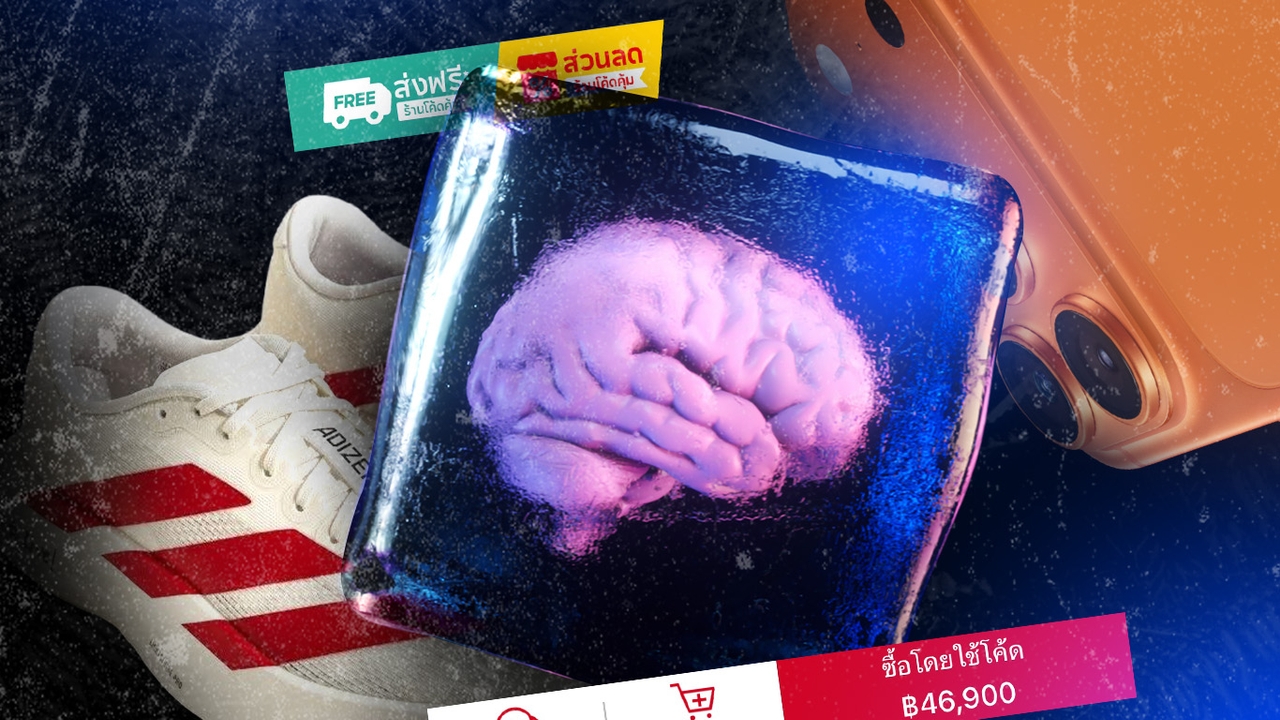
Have we ever wondered why we dare to decide to buy items costing thousands or tens of thousands within seconds? The answer lies not in wealth but in the psychological mechanism injected through an easy UX (User Experience) that bypasses the brain's frontal thinking.
The Office of the National Economic and Social Development Council (NESDC) reported that the main reason Thais love this system is the “easy registration and quick approval” process, cited by 34.6%.
This smoothness acts like a “numbing agent” that reduces feelings of guilt or pain when paying (Pain of Paying). NESDC also confirms that 62.3% of users decide to buy faster upon seeing the installment option. It transforms the shock of paying a lump sum into agreeing to a small first installment, causing the brain to release dopamine and become addicted to the immediate joy of possession, while forgetting the burden that will come in the following months.
The interesting aspect of BNPL in Thailand’s context is its role as a “false safety net” for the most vulnerable groups.
The same report reveals the startling truth that 37% of main users earn less than 15,000 baht, and among Gen Z, over 63.3% earn below this threshold.
This clearly shows that for these people, BNPL is not just about luxury but about “selling hope in advance” that next month’s income will improve or that they will have money to pay on time, even though nearly half (49.4%) already carry consumer debt. The system attracts low-income users by requiring no collateral or credit card—just an ID card to borrow future money to meet current needs.
It becomes a cycle of postponing financial ruin installment by installment, which many see as liquidity management, but in reality, it is a risk ready to explode at any moment.
From the merchant’s perspective, BNPL is the final puzzle piece turning TikTok shares or social media drama into immediate sales. NESDC data shows the most popular products are technology, fashion, and beauty—items whose value drops immediately upon purchase. As many as 57.6% of users admit they would buy more unnecessary items if they can pay in installments.
This is the heart of the “Impulse Economy,” generating massive short-term sales for stores. Data from Atome indicates BNPL can increase average purchase value per transaction by up to 35%.
However, this soaring sales figure may be just “sales borrowed from the future” because 47.5% of users choose to reward themselves before thinking about saving.
When consumers lack discipline, merchants and providers profit even more from fees and penalties, as seen with Klarna (a Swedish fintech company) earning $254 million in late payment fees and penalties in 2024.
This confirms that the more consumers misjudge their ability and lack financial discipline, the more providers' profits expand.
In summary, BNPL is changing young people’s attitudes to “reward themselves before saving,” which is a more alarming sign than debt figures. If we continue to view on-screen convenience simply as financial progress without recognizing the numbing mechanism that hides financial reality, we may wake up to find that today’s "instant happiness" is a burden that steals our financial freedom forever.
Sources: NESDC, Department of International Trade Promotion, Phyathai Hospital.
Read personal finance and financial planning news with Thairath Money to help you achieve "Good Finance, Good Life."https://www.thairath.co.th/money/personal_finance
Follow the Facebook page: Thairath Money at this linkhttps://www.facebook.com/ThairathMoney