

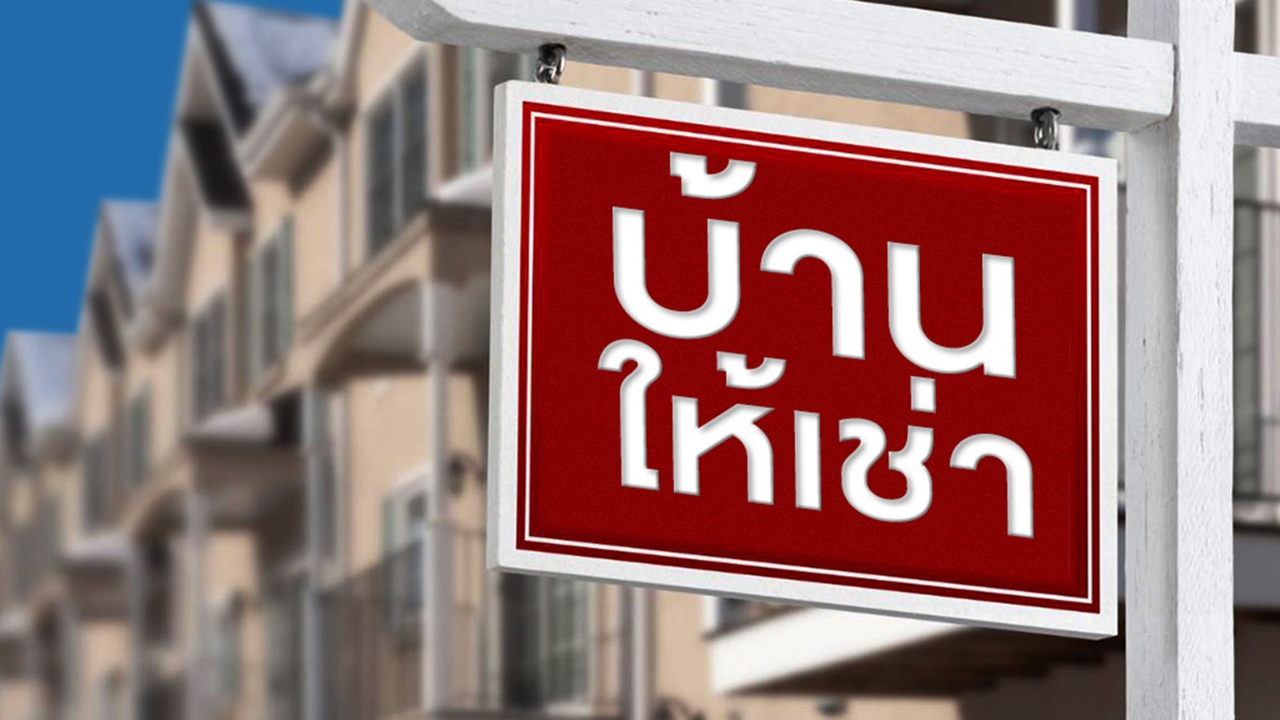
In an era where financial flexibility is more important than carrying large debts, the Generation Rent trend—choosing to rent—has become a main lifestyle for young people who value freedom and wish to avoid 30-year long-term commitments. However, renting a house or condo carries risks if one is unaware of the law.
Recently, DDproperty, a real estate platform, highlighted the updated Consumer Protection Board announcement (effective from 4 Sep 2025 GMT+7) that enhances consumer rights fairness. Here are 5 key tenant rights to know before signing a contract to safeguard your interests.
Once the contract is signed, landlords have no right to raise rent or service fees before the lease ends. If the contract states a one-year lease, the rent must remain fixed throughout to allow tenants to plan finances accurately without unexpected hikes.
A common issue is landlords adding extra charges on utilities. The new law clearly prohibits charging more than the rates imposed by government agencies (Electricity and Water Authorities). Bills must specify usage units and unit prices clearly so tenants can verify accuracy themselves.
Even if the landlord owns the building, the leased space is the tenant's possession under the lease. Landlords cannot enter without prior notice, except in severe emergencies (e.g., fire or burst pipes). Even if rent is overdue, landlords cannot forcibly lock the room or move belongings; legal procedures must be followed.
Everything naturally ages over time. If wall paint fades, tiles chip, or appliances break down from normal use, tenants are not responsible for repairs. It is the landlord’s duty to maintain the property, unless damage results from tenant negligence.
At lease end, if the tenant returns the property in good condition and has no outstanding rent, the full security deposit must be returned within 7 days. Landlords cannot arbitrarily withhold money. If repair deductions are made, clear evidence such as photos, repair quotes, or receipts must be provided.
DDproperty advises landlords to act professionally by creating a property checklist and taking photos with the tenant on move-in day, and always preparing contracts in duplicate. If encountering destructive tenants, landlords have legal rights to file civil and criminal charges (property damage) with penalties including imprisonment.
Tenants should protect their rights by thoroughly documenting the property condition before moving in, such as video recording the room and all electrical appliances, and promptly reporting any normal-use damages for repair to prevent escalation into disputes. Respecting property rules and cleanliness also builds good tenant credibility (Tenant Profile) and ensures full deposit refunds at lease end.
Source: DDproperty
Read more personal finance and financial planning news at Thairath Money to help you achieve "Good Finance, Good Life"https://www.thairath.co.th/money/personal_finance
Follow the Facebook page: Thairath Money at this linkhttps://www.facebook.com/ThairathMoney