

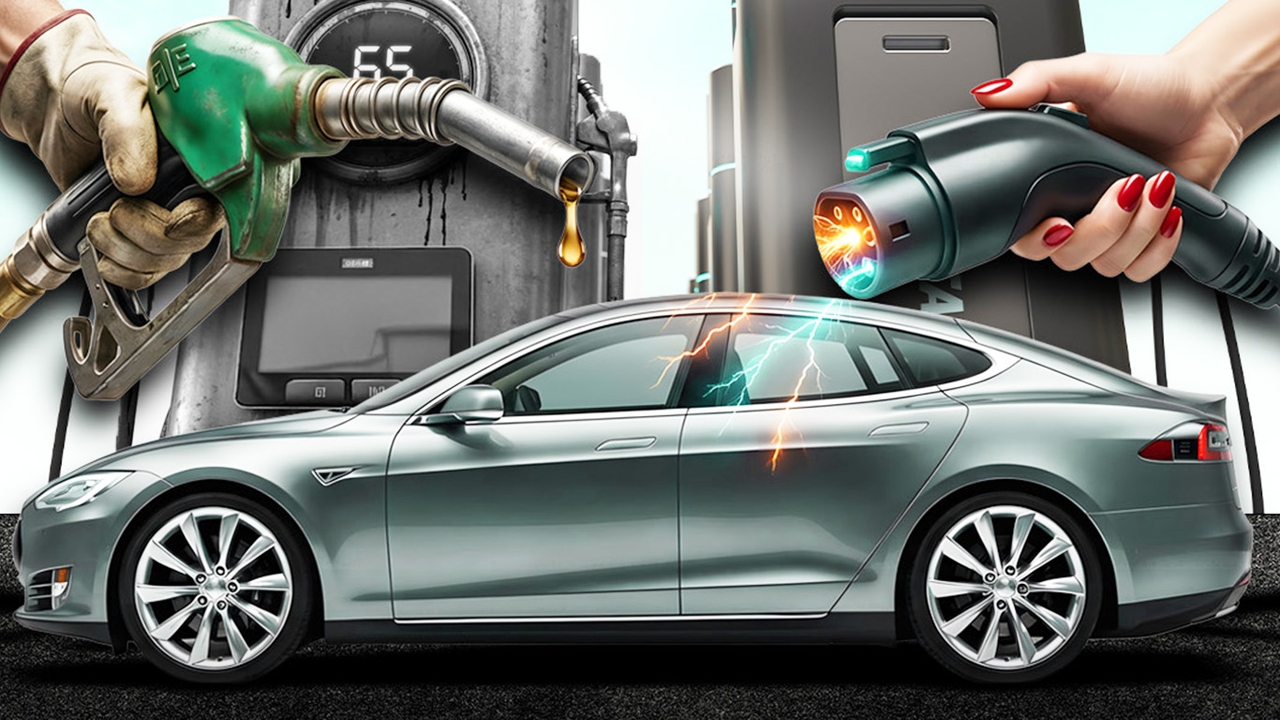
Few would have expected that the conflict or war breaking out in the Middle East between the U.S.-Israel alliance and Iran would affect the daily lives of Thai people. The impact is not limited to volatile stock markets but extends to worries about potential oil shortages, resulting in scenes of people flocking to gas stations in long lines, fearing steep price hikes or fuel unavailability.
Recently, global oil prices have approached $90 per barrel. Although the Thai government has announced measures to cap prices and secure timely oil imports, many people are beginning to consider new alternatives such as electric vehicles (EVs). This raises the question: is now a good time to buy an EV? Given issues like price dumping among EV manufacturers and insufficient charging stations, Thairath Money has compiled clear information to help everyone make easier decisions.
Over the past 1-2 years, those who purchased EVs have saved on energy costs since electricity is much cheaper than gasoline. However, some have faced depreciation in vehicle value because many manufacturers have cut new EV prices by thousands to tens of thousands of baht. Some brands have even exited the Thai market. Buyers must be prepared for such risks before purchasing an EV.
In 2026, although overall price competition may ease somewhat, there are still several factors to consider before buying an EV. These five key aspects are:
1. Battery
It is important to check the battery warranty duration (years/kilometers) and carefully review the terms, such as the conditions for battery claims.
2. Service centers and spare parts
Evaluate how many repair centers are near your home or workplace and whether those centers can handle both bodywork and high-voltage electrical systems. Spare parts are also a major concern since some brands do not stock them locally, requiring imports that can take months, causing inconvenience and lost vehicle use.
3. Insurance and hidden costs
Recently, reports have emerged that some insurance companies do not offer first-class insurance for certain EV brands due to high costs. This is another important factor to verify: which insurers cover your chosen brand? Additionally, check spare parts prices and labor costs at service centers because sometimes the vehicle is cheap but parts are expensive, ultimately increasing your total expenses.
4. Finance agreements must be transparent
Most vehicle loans use flat-rate interest, but it is crucial to check for hidden fees such as penalties for early repayment, refinancing, or late payments, and understand how these affect your costs.
5. Charging convenience
Installing a home charger can simplify life, allowing you to budget for any modifications or electrical transformers needed to support EV charging. For those living in condos or requiring public charging, you should plan and research nearby charging stations near home and work. Also, check if your condo management permits certain charging setups, how electricity is billed, and whether there are reservation systems or extra fees. Once you have reviewed these five points and decided to buy, consider two more important topics.
For those planning to buy a new vehicle to avoid high fuel prices, two companies are currently offering attractive promotions:
For EV owners traveling long distances, charging stations are essential. Currently, credit card companies and charging providers offer cashback promotions that help save money, such as:
Data sources: KBank, KKP, KTC, GSB, ttb
Read personal finance and financial planning news with Thairath Money to help you achieve “Good Finances, Good Life”https://www.thairath.co.th/money/personal_finance
Follow the Facebook page: Thairath Money at this linkhttps://www.facebook.com/ThairathMoney