

Tensions from the Middle East conflict are exerting pressure on the global energy market, prompting many countries to closely monitor risks related to oil prices and economic costs.
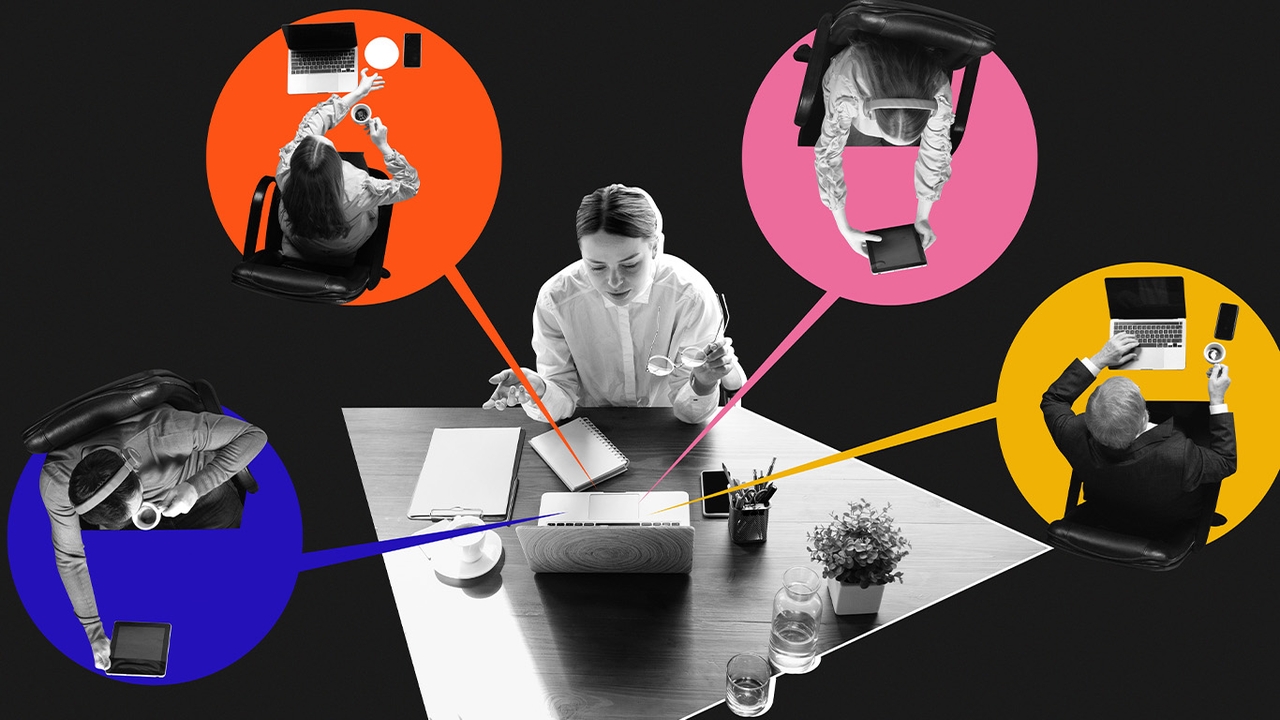
Recently, Thailand has begun signaling its response. On 10 Mar 2026 GMT+7, the Cabinet resolved that government agencies and state enterprises should implement Work From Home (WFH) measures for tasks that do not affect public service delivery.
Additionally, it ordered the suspension or postponement of overseas study trips and mandated that air conditioning in government buildings be set at 26–27 degrees Celsius.
These measures primarily aim to reduce national energy consumption. While they appear as organizational management steps, economically they indicate the government’s preparation for energy cost risks. Historically, every global energy crisis has led to increased living costs.
The Securities and Exchange Commission (SEC) stated it has adopted WFH measures since 11 Mar 2026 GMT+7, maintaining regulatory oversight and public services without disruption. The Stock Exchange of Thailand operates under a Hybrid Work model, ensuring trading systems and market operations remain unaffected.
Thairath Money further investigated the work policy readiness of various organizations facing the new energy crisis. It found that many Thai businesses have already embraced working from home due to the permanent shift in work patterns post-COVID-19. Hybrid Work (alternating office days) has become the new standard, with many large firms having established such systems.
For example,
The Bank of Thailand (BOT) stated it will cooperate like other agencies, implementing WFH, energy-saving workplace measures, and travel restrictions abroad, all adjusted to avoid disrupting overall work performance.
Meanwhile, major real estate and retail companies such as Sansiri, SC Asset, The Mall Group, and One Bangkok already have hybrid work systems in place. Many are holding daily meetings to assess the situation and announce work policies best suited to current conditions.
Thus, this round of WFH is not an emergency adjustment like during COVID, but a recalibration of the economy’s energy consumption level.
However, for workers, WFH may change their “expense structure.” Although working from home seems to save money, experience during COVID showed many households’ expenses unintentionally increased.
Data from SCB Asset Management identifies three main expense groups during WFH.
1. Reduced expenses that should be converted into savings.
Working from home reduces several costs, such as
Though these amounts may seem small daily, accumulated monthly they can become a significant emergency fund.
2. Necessary expenses to maintain work efficiency.
Even at home, basic costs remain, including
Many find cooking at home reduces costs compared to frequent online food orders, while investing in desks, chairs, or monitors can improve long-term productivity.
3. Expenses to watch out for.
The main financial leak during WFH often comes from small costs such as
Especially in Thailand’s hot climate, electricity bills can rise noticeably without prior budgeting.
Ultimately, workers need to prepare more than just their workplace. Although this WFH measure may be a short-term energy-saving step, past economic crises show that when the world faces uncertainty—whether war, pandemics, or energy shocks—the living costs of citizens are the first to be affected.
Therefore, for workers, key preparations include
In a world where economic risks can arise anytime, financial planning may be more crucial than knowing where one will work from.
Source: ThaiGOV, KTB, MTL, BAY, PTT, SCBAM
Read personal finance and financial planning news with Thairath Money to help you achieve “Good Finances, Good Life.”https://www.thairath.co.th/money/personal_finance
Follow the Facebook page: Thairath Money at this linkhttps:// www.facebook.com/ThairathMoney