

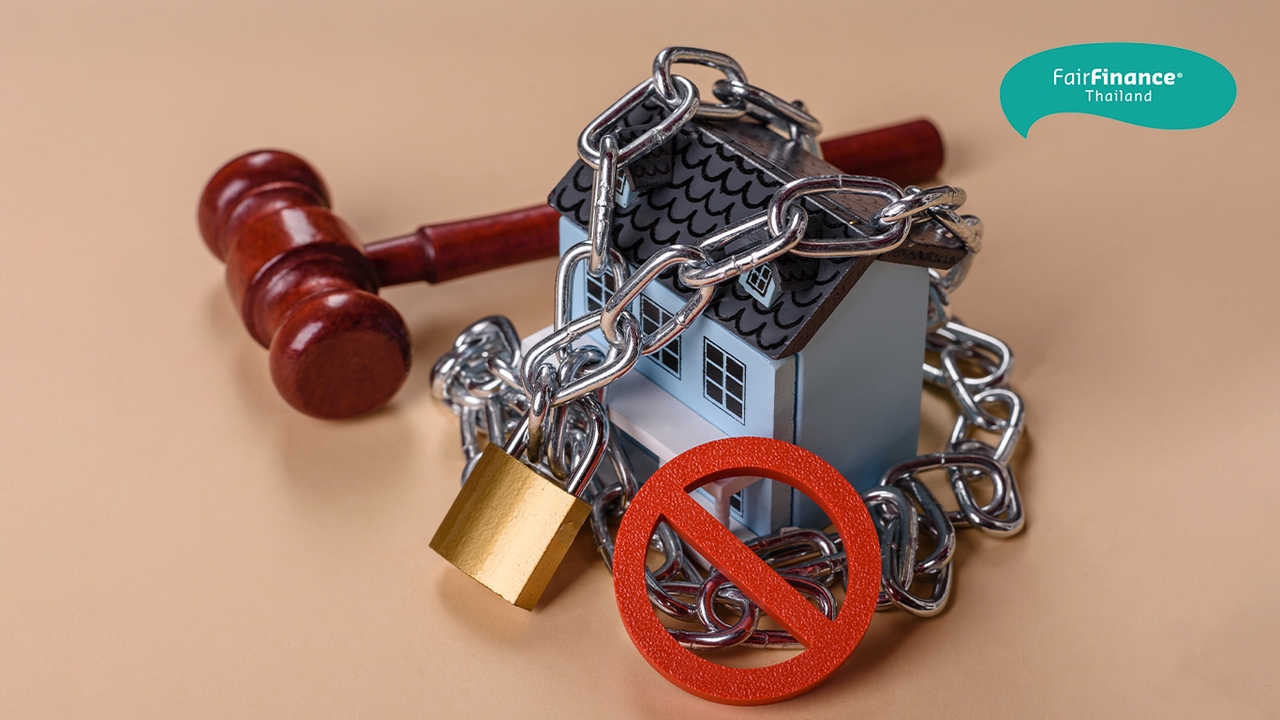
Currently, Thailand is facing household debt reaching nearly 87% of GDP, especially old debts from the COVID-19 period, with growing concerns due to rising living costs amid a new energy price crisis.
The draft Bankruptcy Act (Voluntary Rehabilitation) promoted by the People's Network and Fair Finance Thailand (FFT) has become a key law under scrutiny on whether the new government will reconsider it, after it was dismissed twice due to parliament dissolutions.
Looking back, the original Bankruptcy Act (1940) was designed for large legal entities with debts over 10 million baht to enter business rehabilitation, but individuals and small SMEs were excluded from this process.
If overwhelmed by debt, the only option was bankruptcy, leading to full asset seizure and loss of legal transaction rights for three years.
However, the key difference in the new draft law is:
Recently, the panel “Debt Rehabilitation, Economic Recovery: Why the New Government Must Continue the Bankruptcy Act,” organized by FFT, sought to emphasize the importance of this law to the government, with participation from various stakeholders.
Pol. Col. Tawee Sodsong, Chairman of the Special Committee on the Bankruptcy Act draft, said most of the country's debt structure stems from government policies, noting the worrying fact that Thais start incurring debt as early as 14 years old from educational loans like the Student Loan Fund.
Currently, over 7 million debtors carry this burden, making it difficult for working-age people to start anew. The enforcement statistic has risen to 25 trillion baht, exceeding the country's GDP, mostly debts from state financial institutions.
He affirmed the law would aid economic recovery without government budget use because it enables debtors to help themselves. Unlike the old law, civil servants entering rehabilitation would not have to leave their jobs, preserving workforce quality.
Additionally, the Senate committee supports changing debt repayments to reduce principal before interest, helping debtors break the debt cycle, which is a positive trend.
“Debt is a major problem, even for quality professionals like teachers, whose performance declines when indebted. Various debt solutions have existed, but none allowed debtors to help themselves. Having supportive laws is a good omen; if this government sincerely solves the problem, it will significantly change Thai household debt resolution.”
Sareen Aswanantakul, Head of Research at Fair Finance Thailand (FFT), stated current government aid is insufficient to restore livelihoods and living abilities of Thai people.
Global research shows voluntary debt rehabilitation results in creditors recovering more debt than liquidation and asset protection.
From the working group's view, the current oil price crisis may be even more severe than COVID-19 due to unpredictability, so this law benefits both debtors by offering a new start and creditors by improving debt recovery.
It also elevates debt resolution by creating a "debt doctor" system—debt managers who educate and build financial discipline during rehabilitation.
“The oil crisis adds pressure to household debt. Previously, individuals with overwhelming debt faced lawsuits and social stigma as 'bankrupts.' Allowing self-initiated debt rehabilitation without bankruptcy and without debtor type restrictions is expected to be more effective than in the past.”
Pasit Asawawattanaporn, representative of the Thai Bankers' Association, explained the new law shifts from punishing debtors to providing a 'Fresh Start,' with personal rehabilitation plans preserving assets, unlike bankruptcy requiring full asset surrender.
However, financial institutions are concerned about the draft's "guarantee contract termination" clause, where guarantors would not bear responsibility if debtors fail the plan, potentially undermining the guarantee system's legal role. Still, banks generally agree with the law's principle since it allows rehabilitation plans to start with 51% creditor approval, streamlining the process.
“As financial institutions and main creditors, banks must adapt to this law, which impacts them greatly, but we agree with its concepts. Details with concerns will need joint consideration.”
Narumon Mekborisut, Deputy Director of the Foundation for Consumers, revealed that over the past decade, there have been more than 4,811 consumer debt complaints, with credit card debt ranking first (33%). Over 1,000 consumers have been sued, with creditors often using lawsuits instead of debt negotiation, burdening debtors with court costs.
She cited unfair cases such as 40,000 baht debts resulting in million-baht home seizures, or initial 10,000 baht debts ballooning to 80,000 baht due to interest and fees. Debtors lack legal knowledge and face "take-it-or-leave-it" contracts with no right to dispute. Solely educating consumers is insufficient; legal structure reform is needed to reduce justice system inequalities.
“Cases increase yearly, with alarming growth in informal debts, especially in Bangkok, excluding data from financial institutions and unreported cases. Community surveys show 80% in debt, 50-60% informal debt. Since COVID-19, hire-purchase debts surged, with many lawsuits, plus legal and illegal loan apps.”
This new Bankruptcy Act draft is a key tool to reduce court cases and prevent debtors from falling into informal debt cycles. However, "time" is critical: if the new government does not confirm the draft within 60 days after parliament opens, the entire process must restart, closing hope for millions of small debtors awaiting relief.
Read more personal finance and financial planning news with Thairath Money for "Better Finance, Better Life."https://www.thairath.co.th/money/personal_finance
Follow the Facebook page: Thairath Money at the link below.https:// www.facebook.com/ThairathMoney