

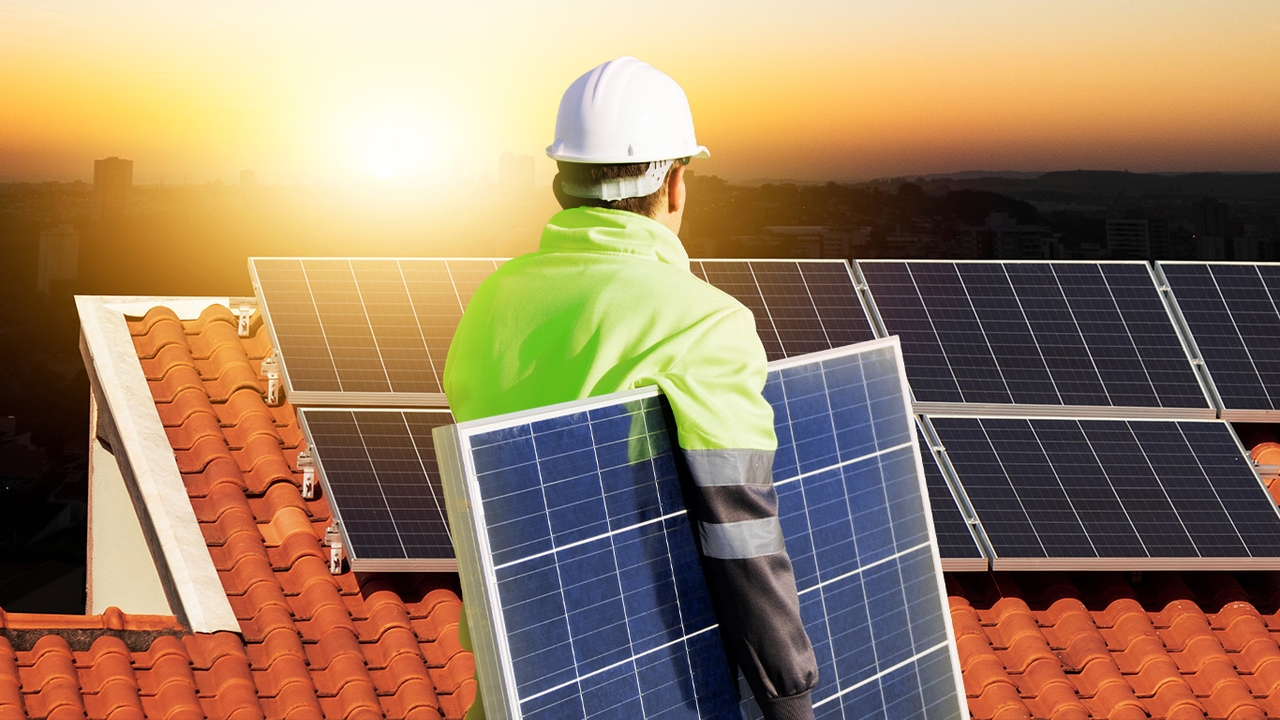
In an era where the "home" is not just a place to rest but has become a compact office for those working from home (WFH), daytime electricity demand has inevitably surged. Coupled with global energy market volatility, this has driven electricity prices up to 3.95 baht per unit for the May - August 2026 billing period.
Although the government has tried to cap the Ft rate at 16.23 satang per unit to ease the impact, in the long term, "self-generated electricity" via rooftop solar systems is emerging as the most cost-effective option at present.
1. Tax deduction up to 200,000 baht: Recently, the government introduced measures to support Thai citizens installing solar systems (2026 - 2028) by allowing the deduction of equipment and installation costs from personal income tax based on actual expenses, capped at 200,000 baht.
2. Faster return on investment: With rising electricity prices and the reduced cost of new N-Type solar panels—which offer better efficiency—the payback period shortens to 3.7 - 6 years, depending on electricity usage and tax bracket.

Note: Prices may vary depending on roof type and inverter quality.
In summary, installing solar panels in 2026 is not just an environmentally friendly choice but a "smart financial decision" to turn your rooftop into a money-generating asset and secure stable electricity costs for your family for over 25-30 years.
Sources: Krungsri Bank, Revenue Department, Ministry of Energy, Finnomena.
Follow personal finance news and planning with Thairath Money to help you achieve "Good Finances, Good Life."https://www.thairath.co.th/money/personal_finance
Follow the Facebook page: Thairath Money at this link.https://www.facebook.com/ThairathMoney