

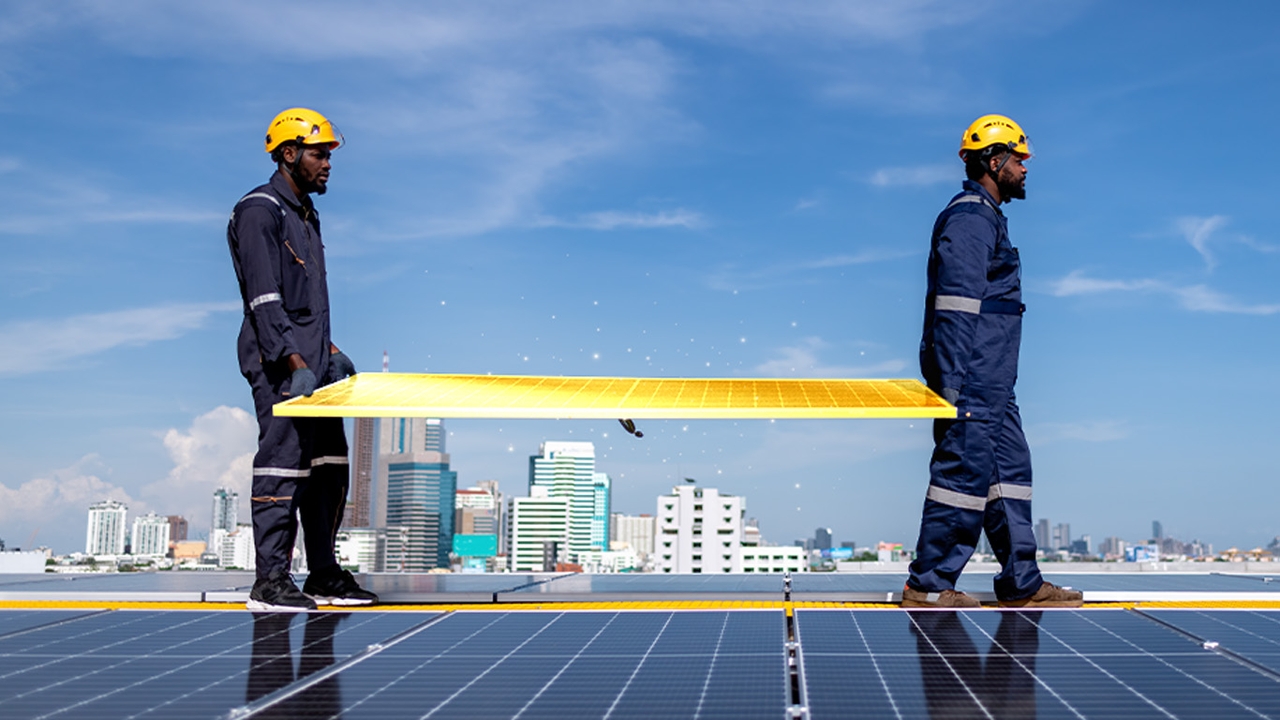
Due to the energy crisis, not only oil prices have risen but electricity rates may increase as well. Consequently, many households are exploring alternatives like solar panels to reduce costs. However, installation packages often cost hundreds of thousands of baht. What causes solar rooftop systems to remain expensive compared to other countries, and is installation worthwhile?
Typically, items with fewer options tend to have higher prices. Installing a solar rooftop in 2026 still costs hundreds of thousands of baht. For example, installing an On Grid system (which automatically draws electricity from the grid if your solar production is insufficient) for a small house with a 3 kW solar system starts at 120,000-200,000 baht. The reason installation costs are "high" is as follows. Attawit Suwanpakdee, Deputy Leader of the Ruam Thai Sang Chart Party (RTSC) told Thairath Money that the cause comes from the complicated permit process for solar rooftop installation, requiring approval from five agencies:
(Other sources note that home solar installations usually require permits from three main agencies: points 1, 4, and 5)
Attawit emphasized that the permit process involves various fees and can take an average of one full year due to paperwork, surveys, and certifications. This causes installation companies to add "management fees" of up to 40,000-50,000 baht per household into their packages. If these procedures were streamlined (as proposed in the draft Solar Freedom Act) and reporting was centralized to a single government agency, these costs could be significantly reduced.
However, there are still many issues related to solar installation that the government should address comprehensively.
Many countries promote citizens installing solar panels to produce their own electricity and sell surplus power back to the government. Data from DataHatch shows that in Germany, the ratio of homes with solar panels producing for self-use and selling excess power back is about 1 in 60 households. In Thailand, the ratio is 1 in 1,440 households — a significant difference.
One reason why Thai households find it difficult to sell electricity back to the state is Woraphop Viriyaroj, former party-list member of the People's Party, who explained that the government's quota for buying electricity from citizens remains very limited and is less than that purchased from the private sector. The latest quota opened was 500 megawatts, which may be insufficient to accommodate the growing number of households encouraged by the government to install solar panels, especially those consuming over 500 units per month (currently more than 3 million households).
Currently, homes with solar panels that want to sell electricity back to the state use a Net Billing system. This means excess electricity sold is credited as monetary value rather than offsetting electricity units (Net Metering). People may wonder why they pay over 3 baht per unit for electricity from the state but are paid only 2.20 baht per unit when selling back.
Although the buyback price must be lower than the retail electricity price due to transmission and other costs, the buyback price for citizens should be higher than that offered to large private investors (solar farms) because small-scale users generally face higher installation costs.
Moreover, if laws allow peer-to-peer electricity trading — for example, condos, dormitories, or malls selling excess electricity directly to tenants or shops at mutually agreed prices — this could foster innovation and encourage citizens to produce clean, self-sufficient energy without relying solely on government buyback quotas.
This year, many are interested in installing solar panels because the government has just allowed those with On Grid Solar Rooftop systems to claim actual installation expenses as tax deductions up to 200,000 baht. This sounds attractive, but for true cost-effectiveness, one must consider all factors.
First, understand that the amount of tax deduction depends on your tax base. Thailand uses a progressive tax rate system, so those with higher net annual income pay higher rates. The formula is: Net annual income = total income of all types minus allowable expenses minus deductions.
How much tax must you pay? If you claim tax deductions from solar installation costs, how much tax can you save? Thairath Money summarizes interesting details from K-Wealth here, illustrating that paying 200,000 baht for solar installation does not mean you get 200,000 baht back from the state, but you can save taxes according to the table below.
| Net annual income (Baht) | Tax rate (Progressive) | Maximum tax savings (Baht) |
| 150,001 – 300,000 | 5% | 7,500 |
| 300,001 – 500,000 | 10% | 20,000 |
| 500,001 – 750,000 | 15% | 30,000 |
| 750,001 – 1,000,000 | 20% | 40,000 |
| 1,000,001 – 2,000,000 | 25% | 50,000 |
| 2,000,001 – 5,000,000 | 30% | 60,000 |
| 5,000,001 and above | 35% | 70,000 |
Ultimately, deciding to install solar panels should start with your household's electricity usage patterns. If most electricity is used during daytime, installation is more cost-effective. For those with a tax rate of 15% or higher who spend 200,000 baht on installation, tax deductions can save tens of thousands, making it more worthwhile than for those whose income is below the taxable threshold.
Data sources: Kasikorn Bank, Ministry of Energy, DataHatch
Follow personal finance and financial planning news with Thairath Money to help you "Achieve good finances, live well"https://www.thairath.co.th/money/personal_finance
Follow the Facebook page: Thairath Money at this linkhttps://www.facebook.com/ThairathMoney