

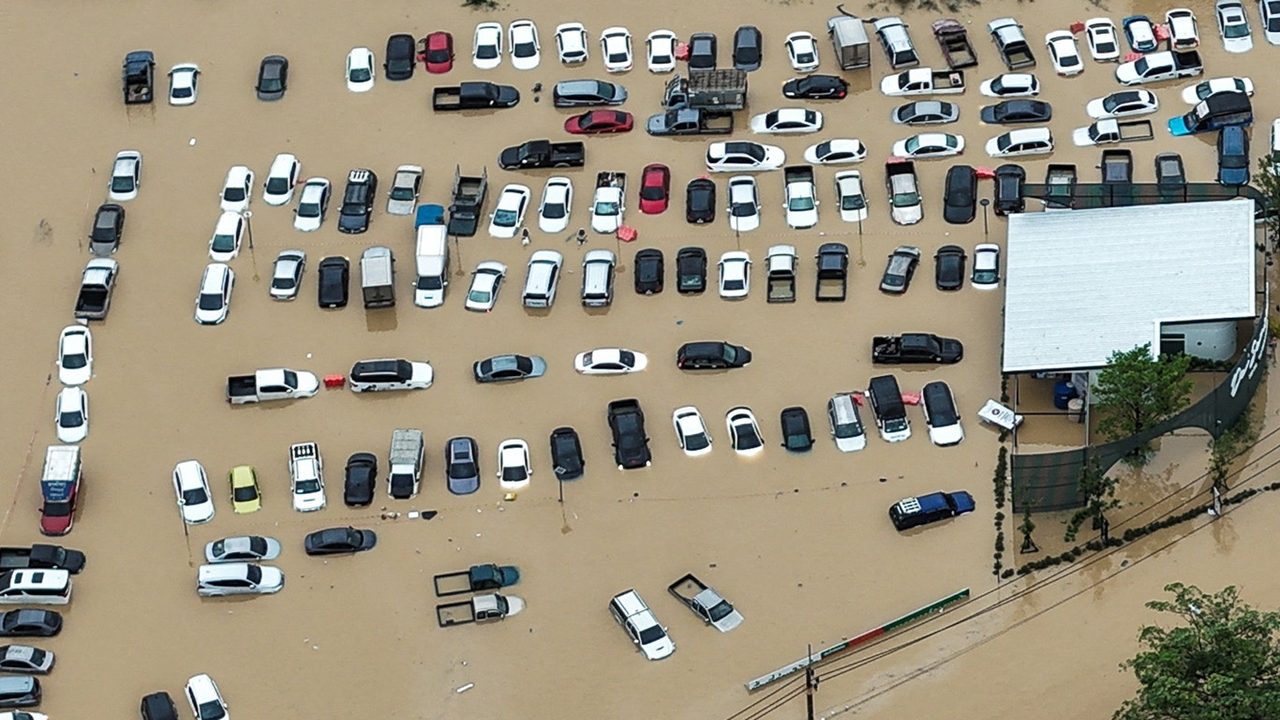
The major flooding in the southern region has caused widespread impact. Analysts estimate damages exceeding 25 billion baht. While this figure is substantial, the effect on local residents may be even greater due to destruction of their homes and vehicles by the floodwaters.
Although flood levels have decreased in some areas, damage remains significant and life must go on. For those with insurance policies on homes or vehicles, it is important to know how to prepare to successfully file claims and how to plan life adjustments to resolve other potential problems after the water recedes.
1. Having insurance does not guarantee flood coverage.
Insurance is a contract that specifies which risks are covered. The first step is to check whether your home insurance policy (fire insurance, property insurance) and your vehicle insurance include coverage for flood damage. If they do not, claims for flood damage cannot be made.
Home insurance: Most fire insurance policies for residences include flood coverage under the natural disaster section (earthquakes, volcanic eruptions, storms, etc.). Typically, the total insured sum for all risks does not exceed 20,000 baht per year. If flood coverage is not included, it can usually be added separately. Premiums depend on the coverage amount.
Vehicle insurance: Comprehensive insurance (Type 1 voluntary motor insurance) already covers flood damage. The insurer can coordinate with repair shops to restore the vehicle to its original condition.
For second-plus (2+) and third-plus (3+) class policies, if flood coverage is purchased, claims are possible. Those with second or third class insurance typically receive a lump sum payment based on an insurer assessment (following the central standard of the Office of Insurance Commission) to repair their vehicles at a shop of their choice.
Currently, a problem with vehicle repairs after flooding is that repair times may be longer due to flood damage affecting local repair shops. Repairs may need to be sent to nearby provinces, with uncertain wait times. Therefore, it is advisable to plan and contact your insurer early to find the best solution.
2. Claims may be possible, but the payout is limited.
Beyond having flood coverage, it is important to check the coverage limit. Basic home insurance typically provides combined disaster coverage of 20,000 to 30,000 baht per year. Thus, even if actual damage exceeds this, claims are limited to the insured sum according to policy terms. For vehicle insurance, the Office of Insurance Commission has established five damage assessment levels for flood-affected vehicles:
3. "Driving through" floodwater causing engine damage.
This is a fundamental condition drivers should understand. Even comprehensive vehicle insurance covers flood damage, if the insurer can prove the driver intentionally drove through deep water causing severe engine damage, coverage may be conditional or denied. For the recent major floods in the south, claim approval depends on the insurance company's claims team assessment. Flood coverage generally applies when the vehicle is stationary and turned off, such as parked at home and unable to escape rising water.
Once the situation stabilizes, financial challenges arise regarding how to manage cash flow when income may be interrupted but expenses for home and vehicle repairs must be met. Thairath Money suggests focusing on three main tasks to reduce burdens and begin a strong recovery.
Task 1: Complete and accurate claim filing.
If you confirm that your insurance covers flood damage, prepare documentation by photographing the damage both during the flood and after waters recede. Contact your insurer to assess the damage. Avoid undertaking major repairs before the assessment.
Task 2: Be ready to manage debts.
Many have debts with financial institutions and should promptly contact their banks for assistance measures such as payment deferrals, debt restructuring, or low-interest emergency loans for repairs. If you have private lenders, inform them of your payment capacity and current circumstances. Importantly, do not unilaterally stop debt payments as this can cause further complications.
Task 3: Manage liquidity – reassess emergency funds.
The major flood may prompt reassessment of emergency expenses, insurance coverage, and cash reserves. If you remain in a risk-prone area, you may need to revise your plans to prepare for future disasters. For example, if you previously estimated monthly expenses at 20,000 baht and kept six months' reserve (120,000 baht), after the flood you might need to increase this to 12 months or 240,000 baht due to slower recovery of income.
Source: Office of Insurance Commission, Thai General Insurance Association, Office of the Consumer Protection Board.
Read more about personal finance and financial planning with Thairath Money to help you "achieve good finances and a good life."https://www.thairath.co.th/money/personal_finance
Follow the Facebook page: Thairath Money at the link below.https://www.facebook.com/ThairathMoney