

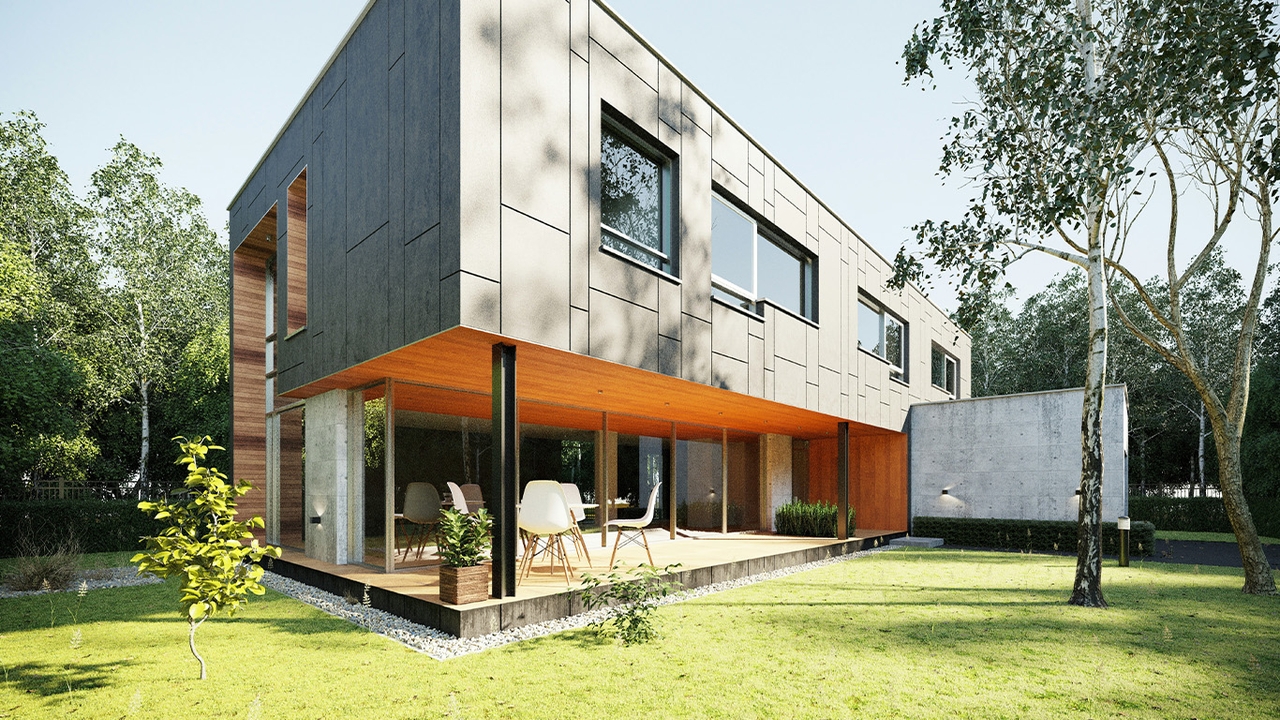
In the current economic climate, many people are looking for ways to increase their income. For those who own a home or plan to buy one, Thairath Money offers ideas to turn a house from a 100% residential space into a money-generating asset or source of passive income, along with guidance on tax obligations when earning rental income this way.
1. Rent out rooms or the whole house (monthly/yearly)
If you own multiple houses or have several bedrooms, you can rent out part of your property to generate income. Rental rates depend on location and the landlord's preferences.
Advantages: Steady income with predictable cash flow.
Costs to consider: You may need to furnish or repair the space for tenants, such as providing beds or wardrobes, depending on the agreement.
Risks: Tenants might default on rent or damage the property. Therefore, contracts should clearly state terms like security deposits and insurance.
2. Daily rentals
With the internet connecting people globally, both foreigners and locals can easily find daily rental accommodations via apps or websites like Airbnb, Agoda, and Booking.com, turning empty rooms or houses into daily rentals.
However, it is recommended to comply with laws and obtain proper licenses. Renting out a house or condo unit daily may violate the Hotel Act B.E. 2547 (2004), Sections 15 and 59, with penalties including up to one year imprisonment, fines up to 20,000 baht, or both, plus daily fines up to 10,000 baht during continued violations.
Advantages: Daily rental rates are usually higher than monthly/yearly, offering flexibility as owners can still use the space personally.
Costs to consider: Calculate expenses carefully, including utilities, internet, cleaning fees, and others.
Risks: Income can be irregular and seasonal. Check legal limits—many Thai condos prohibit daily rentals due to security risks and potential damage to common areas. Clearly specify tenant responsibilities and damage costs in rental agreements.
3. Rent out front yard space for vending
Those with shophouses can rent out front yard space or set up kiosks for extra income.
Advantages: High rental income if the location is good, such as a street-facing front yard.
Costs to consider: Modifications may be needed, like separate water pipes or other adjustments.
Risks: Verify legal conditions carefully. Selling on sidewalks is illegal but exceptions or leniencies may exist depending on the area. Check with local district offices in Bangkok or municipal authorities elsewhere to avoid future issues.
4. Rent out parking spaces
If you have space for several vehicles, you can allocate spots or offer monthly parking for extra income. Condo owners in central areas with parking quotas may rent out parking rights but should always check condo regulations first.
Advantages: Flexible, since the space can later be repurposed for other businesses.
Costs to consider: If there are costs for land leveling or building a garage, calculate these expenses carefully.
Risks: Monthly income may be limited, and vehicle protection issues must be clearly defined before leasing.
5. Rent out a photo/video studio
With content creation booming, many seek spaces for filming clips or product photography. Converting your home into a studio can meet this demand.
Advantages: Operating a full-service product photography business can enhance market competitiveness.
Costs to consider: Significant investment may be needed to adapt the space or provide basic equipment for renters.
Risks: Continuous market research is required to find suitable locations. Rental contracts should clearly specify usage terms.
Earning income inevitably involves taxes. The main ones landlords face include:
For rental income, you can choose to deduct expenses either by a flat 30% allowance or actual expenses. Many mistakenly think mortgage payments count as deductible expenses, but under Revenue Department rules, they cannot be deducted. Ultimately, generating additional income and new sources is positive, but thorough research is essential to avoid future issues. If unsure about legal matters, contact government agencies directly such as the Revenue Department, Department of Provincial Administration, Ministry of Interior, or call 1111.
Note Those interested in daily rental accommodations should follow updates on amendments to the Hotel Act B.E. 2547 (2004).
Read personal finance and financial planning news with Thairath Money to help you achieve "Good Finances, Good Life."https://www.thairath.co.th/money/personal_finance
Follow the Facebook page: Thairath Money at this linkhttps://www.facebook.com/ThairathMoney